Bollywood in the Spotlight: Eros International Files Rs 84 Crore Lawsuit Against Aanand L Rai Over Raanjhanaa Rights
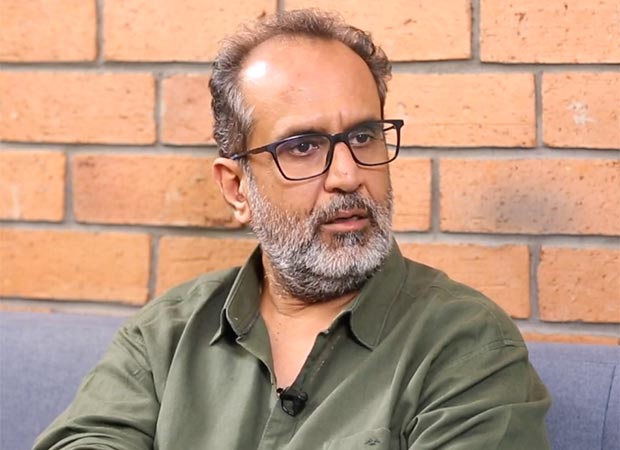
The vibrant world of Bollywood is no stranger to legal disputes, but recent developments have brought a new controversy to the forefront. Filmmaker Aanand L Rai, renowned for his distinctive storytelling and blockbuster hits, is embroiled in a high-stakes legal battle with Eros International Media Ltd, one of the industry’s most prominent production and distribution companies. The dispute centers around allegations of intellectual property infringement linked to Rai’s 2013 critically acclaimed film Raanjhanaa.

The Core of the Dispute: Allegations and Claims
According to Eros International, Aanand L Rai and his production house, Colour Yellow Media Entertainment LLP, unlawfully utilized elements associated with Raanjhanaa during the promotion of Rai’s upcoming film Tere Ishk Mein. The Bollywood industry has witnessed numerous legal skirmishes involving intellectual property rights, but this case stands out due to its substantial monetary claim and its potential impact on creative freedoms within the industry.
The Mumbai-based entertainment giant claims exclusive rights over Raanjhanaa, including copyrights, registered trademarks, character identities, dialogues, and rights to sequels or remakes. Eros asserts that these rights were infringed upon when elements from Raanjhanaa were allegedly incorporated into the promotional material for Tere Ishk Mein, which was released in theaters in November 2025.
Timeline and Trigger Points of the Legal Battle
The conflict reportedly ignited in July 2025, when Eros International issued a cease-and-desist notice following the release of a teaser for Tere Ishk Mein. The teaser, according to Eros, contained visual cues, phrases, background scores, and references that hint at the fictional universe established in Raanjhanaa. This led the company to accuse Rai’s team of attempting to create a connection that could mislead audiences into believing the films are related or part of the same narrative universe.
Further adding fuel to the fire, Eros highlighted specific character similarities. They argued that Mohammed Zeeshan Ayyub’s role in Tere Ishk Mein bears a striking resemblance to his character Murari from Raanjhanaa. Both characters exhibit comparable temperaments and narrative functions. The company also pointed out that Dhanush’s character in Tere Ishk Mein follows an emotional trajectory akin to that of Kundan Shankar, the protagonist of Raanjhanaa. These parallels, according to Eros, suggest an attempt to leverage the original film’s popularity and narrative universe without proper authorization.
Legal Proceedings and Industry Reactions
Despite multiple warnings, including a formal cease-and-desist letter sent in July 2025, Eros claims that the promotional campaign for Tere Ishk Mein persisted in positioning the film as a “spiritual sequel” to Raanjhanaa. This continued association, the company contends, not only infringed upon their intellectual property but also misled audiences and potentially affected the commercial prospects of the original film.
Following the film’s release, Eros International officially filed a lawsuit seeking damages amounting to Rs 84 crore. The legal complaint accuses Rai and his associates of copyright infringement, trademark violation, and passing off—an act where one party misrepresents its products or services as those of another. The lawsuit has been filed before the Bombay High Court, with multiple defendants named, including Rai himself, his production company, the film’s writer Himanshu Sharma, and distribution partners like T-Series and Netflix India.
The Broader Impact on Bollywood and Creative Rights
This legal tussle underscores ongoing debates within Bollywood regarding intellectual property rights and creative originality. As the industry evolves, filmmakers often draw inspiration from past works, but the boundaries between inspiration and infringement can sometimes blur, leading to costly legal battles. The outcome of this case could set significant precedents for how Bollywood manages intellectual property rights, especially in the context of remakes, sequels, and promotional strategies.
Moreover, this dispute highlights the importance of clear licensing agreements and the need for filmmakers to safeguard their creative assets against unauthorized use. In an era where Bollywood movies often cross international markets and digital platforms, protecting intellectual property has become more complex yet increasingly vital.
The Future of the Case and Industry Implications
As the legal proceedings unfold in the Bombay High Court, industry insiders and Bollywood fans alike are keenly watching to see how the court will interpret the alleged infringement. The case could influence future marketing strategies, especially regarding how filmmakers promote films that are inspired by or related to existing properties.
For Bollywood, which thrives on storytelling innovation and cinematic excellence, maintaining a balance between creative freedom and respecting intellectual property rights remains crucial. This lawsuit serves as a reminder that legal boundaries must be respected to foster a healthy, vibrant industry where originality is protected and celebrated.
Conclusion: A Landmark Moment for Bollywood’s Creative and Legal Landscape
The legal battle between Eros International and Aanand L Rai is more than just a dispute over a film’s promotional material; it is a reflection of the evolving dynamics of intellectual property rights within Bollywood. As the industry continues to grow globally, ensuring clear rights management and respecting creative boundaries will be essential for sustainable growth and innovation.
Whether the court’s decision will favor Eros or Rai remains to be seen, but what is clear is that this case will likely influence Bollywood’s approach to film promotion, intellectual property rights, and creative collaborations for years to come. It’s a pivotal moment, emphasizing that in Bollywood, as in any thriving entertainment industry, respecting the legal rights of creators is fundamental to fostering an environment of originality and artistic integrity.
Stay tuned to industry updates as this significant legal battle unfolds, shaping the future of Bollywood’s creative and legal landscape.