Delhi High Court Delves Into Legal Questions Surrounding Reputational Rights of Bollywood Families in the Age of Fake News
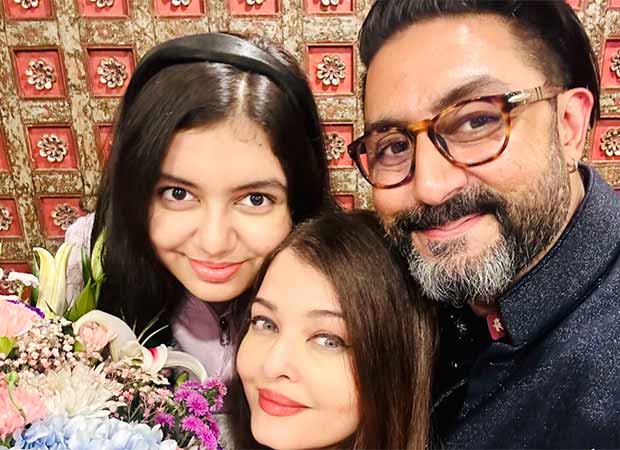
The Delhi High Court has recently taken a significant step in addressing the complex interplay between celebrity reputation, intellectual property law, and the rampant spread of misinformation online. This case, involving Aaradhya Bachchan—the young daughter of Bollywood actor Abhishek Bachchan and granddaughter of legendary superstar Amitabh Bachchan—has sparked a broader legal debate about whether the reputation of a renowned family, especially one as iconic as the Bachchans, can be protected across generations from false and defamatory content circulating on digital platforms.

The Context of the Case: Protecting a Family’s Name in the Digital Age
In 2023, Aaradhya Bachchan, represented by her father Abhishek Bachchan, filed a lawsuit against several anonymous YouTube channels and unidentified online individuals, referred to as “John Doe” defendants. The primary objective was to halt the dissemination of misleading and defamatory videos that targeted her personal health and well-being. The content in question falsely claimed that Aaradhya was gravely ill, had been hospitalized, or had even passed away—claims that are both deeply damaging and highly irresponsible, especially considering her status as a minor.
The case exemplifies the growing concern over how social media and digital platforms have become fertile ground for the spread of fake news, which can tarnish not just individuals but entire family legacies. The Bachchan family’s reputation, built over decades through their contributions to Bollywood and Indian cinema, is now being challenged in this digital battleground, raising critical questions about legal protections available for such high-profile figures.
The Legal Questions Framing the Future of Celebrity Reputational Rights
During the hearing, Justice Anup Jairam Bhambhani of the Delhi High Court posed several thought-provoking questions that signal a potential paradigm shift in how the law perceives reputation, especially concerning prominent families in Bollywood. These questions delve into whether the concept of reputation, traditionally protected under defamation law, can be analogized to intellectual property rights—particularly trademarks—and whether such protections can extend across generations.
Reputation and Trademark Law: Can Family Names Be Treated Like Trademarks?
Justice Bhambhani questioned whether the reputation associated with a famous family name could be considered akin to a trademark. Trademarks, after all, derive their value from the goodwill associated with a product or service, which is built through consistent quality and consumer trust. The court is now exploring whether a family name—like “Bachchan”—can similarly be protected from misuse or defamation in a manner comparable to trademarks.
He further elaborated, stating, “The value of a trademark and its goodwill arise from the quality of the product or service. But when we talk about a person, the reputation is rooted in achievements, social standing, and contributions to society. So, does that reputation, which is almost like a trademark, extend across generations? And if so, to what extent can it be legally protected?”
This line of inquiry opens up a fascinating legal debate—can the reputation of a family, especially one with a significant footprint in Bollywood and Indian culture, be considered a form of intangible intellectual property? If yes, then the protections afforded to such reputation could potentially prevent malicious falsehoods and defamatory content from damaging the family’s image across different time periods.
Fake News as a Violation of Intellectual Property Rights?
Another critical question raised by the court concerns the nature of fake news and whether egregiously false content—particularly about minors—can be classified as a violation of intellectual property rights. While traditionally, IP laws protect inventions, trademarks, and creative works, the court is examining whether malicious misinformation, especially when it causes harm to a person’s reputation, could fall under similar legal protections.
Specifically, the court is considering if such fake news could be categorized under copyright, trademark, or passing-off laws, or whether a new legal framework is needed to address the unique challenges posed by digital misinformation. The potential recognition of fake news as an infringement of intellectual property rights could pave the way for stronger legal remedies against online defamation and misinformation.
Relationship Between Defamation and Intellectual Property Law
Another compelling aspect of the ongoing legal discussion is whether traditional defamation laws—covering slander, libel, and injury to reputation—can be integrated into the realm of intellectual property law. Advocate Pravin Anand, representing Aaradhya Bachchan, argued that the pervasive misuse of the Bachchan name and image in fake videos amounts to a form of passing off, which is a broader legal concept protecting the goodwill and reputation of a family or individual from misrepresentation.
“Reputation isn’t only protected under trademark law,” Anand explained. “Passing-off law provides wider protection, especially when false claims are made using family pictures, names, or associations. In this case, false claims about Aaradhya’s health and the use of the Bachchan name and images are causing substantial harm.” This perspective emphasizes that reputation, especially for prominent Bollywood families, should be afforded legal immunity from malicious online content that seeks to exploit their fame for personal or financial gain.
The Broader Impact on Bollywood and Celebrity Culture
This legal case resonates beyond the immediate context of Aaradhya Bachchan, touching upon broader concerns about privacy, personality rights, and the responsibilities of digital platforms in protecting high-profile individuals. Bollywood, as a vibrant sector of Indian entertainment and culture, often finds itself at the crossroads of fame and privacy. The Bachchans’ case underscores the urgent need for clearer legal frameworks to shield celebrities and their families from online defamation and misinformation, which can have real-world consequences on their mental health and public image.
Interestingly, the case also raises questions about the scope of personality rights—an evolving legal concept that encompasses an individual’s right to control their image, reputation, and privacy. Justice Bhambhani remarked, “The concept of personality rights is expanding rapidly. But whose personality rights are we protecting? The individual’s or the family’s?” This indicates a growing recognition that personality rights extend beyond the individual to include family and legacy, especially in the context of Bollywood families with enduring fame.
The Court’s Continuing Proceedings and Future Implications
The Delhi High Court has scheduled the next hearing for September 15, 2023, where these complex questions will be further deliberated. The court’s decision could set a precedent for how celebrity and family reputations are protected in the digital era, particularly in the booming Bollywood industry where fame is both a livelihood and a legacy.
This case also highlights the importance of responsible digital journalism and content moderation, urging social media platforms and content creators to exercise greater vigilance against fake news and defamatory content. As Bollywood continues to be a focal point of global interest, ensuring the integrity of its stars and their families becomes a matter not only of reputation but also of societal responsibility.
Conclusion: A Landmark Case for Bollywood and Digital Rights
The legal proceedings involving Aaradhya Bachchan mark a pivotal moment in understanding how traditional legal principles can adapt to the challenges posed by modern digital misinformation. By examining whether family reputation can be protected akin to intellectual property, the Delhi High Court is potentially paving the way for stronger safeguards for Bollywood families and celebrities across India.
As the case unfolds, it will undoubtedly influence future legal discourse on celebrity rights, fake news regulation, and the scope of intellectual property law in the digital age. For Bollywood—an industry that thrives on image, legacy, and cultural influence—this case underscores the importance of safeguarding personal and family reputation against the destructive tide of false and malicious online content.
In an era where social media can rapidly amplify misinformation, the judiciary’s role in balancing free speech and protection of individual rights remains more critical than ever. The outcome of this case will be watched closely by stakeholders across Bollywood, legal experts, and digital rights advocates alike, shaping the future landscape of personality rights and online reputation management.