Manoj Bajpayee Responds to Controversy Over Bollywood Film Ghooskhor Pandat
In a rapidly evolving controversy that has captured the attention of Bollywood fans and the wider Indian entertainment industry, renowned actor Manoj Bajpayee has publicly addressed the mounting protests and legal challenges faced by his upcoming Netflix film Ghooskhor Pandat. The film, directed by acclaimed filmmaker Neeraj Pandey, has become the focal point of a heated debate involving community sentiments, legal petitions, and questions about creative freedom in India’s vibrant film landscape.

The Genesis of the Controversy: FIR and Community Concerns
The trouble began when an FIR was lodged at the Hazratganj Police Station in Lucknow, accusing Ghooskhor Pandat of hurting religious and caste sentiments. The complaint alleged that the film’s title and promotional content diminished the dignity of the Brahmin community by associating the term ‘Pandat’—a colloquial reference to priests and scholars—with corruption and moral decline. These allegations sparked widespread protests on social media platforms and prompted petitions seeking a ban on the film’s release in several courts, notably the Delhi High Court.
This legal and social backlash underscores the sensitive nature of caste and community representations in Indian cinema. While filmmakers often navigate complex cultural terrains, this controversy raises important questions about the boundaries of artistic expression and respect for communal sentiments in Bollywood, India’s largest cultural export.
Manoj Bajpayee’s Clarification and Commitment to Responsible Storytelling
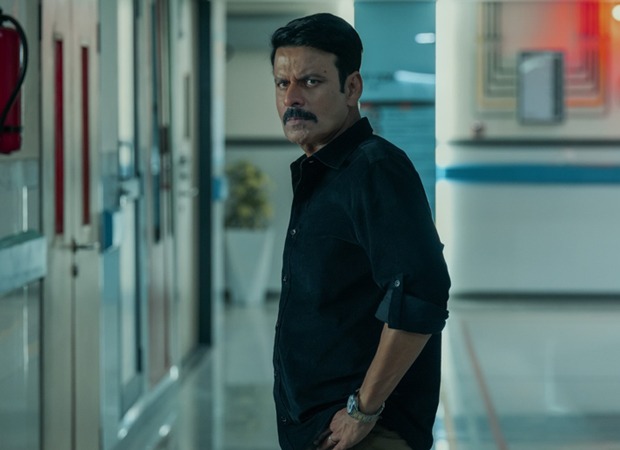
Addressing the media and his fans, Manoj Bajpayee expressed his understanding of the community’s concerns and emphasized that his involvement in Ghooskhor Pandat was rooted in storytelling rather than any intention to offend or marginalize any group. He reiterated that the film is a work of fiction, designed to explore a character’s personal journey rather than comment on social or religious identities.
Sharing a heartfelt message on social media platform X (formerly Twitter), Bajpayee wrote, “I respect the emotions and concerns people have shared, and I take them very seriously. When something I am part of causes hurt to some people, it makes me pause and listen.” This statement highlights his acknowledgment of the sensitivities involved and his willingness to engage constructively with public discourse.
The Role of the Filmmakers and the Spirit of Artistic Responsibility
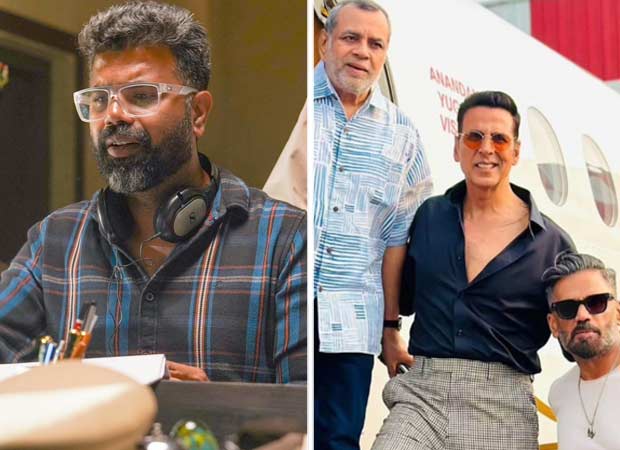
Director Neeraj Pandey also issued a statement, clarifying that Ghooskhor Pandat is a fictional police drama, and the term ‘Pandat’ is used colloquially without any intention to stereotype or malign any community. He emphasized that the title was chosen to add a relatable, humorous touch to the narrative and not as a reflection of any caste or religious group.
In response to the controversy, the filmmakers have taken a responsible step by temporarily removing promotional materials related to the film. Bajpayee pointed out that this decision was made out of respect for public sentiment, underscoring the importance of balancing creative expression with societal sensitivities. Such actions demonstrate a commendable willingness within Bollywood to adapt and listen to feedback, even amid complex debates about artistic freedom versus community respect.
The Broader Context: Caste, Community, and Creative Freedom in Bollywood
This incident is not isolated but part of a broader discourse on how Bollywood navigates issues of caste, religion, and cultural representation. Historically, Indian cinema has both challenged and reinforced societal stereotypes, often sparking debates about the responsibility of filmmakers to portray communities with nuance and respect.
The controversy surrounding Ghooskhor Pandat raises critical questions: Should filmmakers have the liberty to explore taboo or sensitive themes? Where does one draw the line between creative storytelling and cultural insensitivity? Legal petitions in the Delhi High Court argue that associating revered terms like ‘Pandat’ with negative traits could harm the dignity of specific communities, thereby challenging the boundaries of artistic expression within India’s legal framework.
The Future of Bollywood and Sensitive Content
As Bollywood continues to evolve, balancing entertainment with social responsibility remains a key challenge. The industry has seen a surge in films that push boundaries, tackle social issues, and question traditional norms. However, incidents like this serve as a reminder that filmmakers and actors must approach sensitive topics with care, especially in a diverse society where community sentiments run deep.
Moreover, the role of social media in amplifying both support and opposition highlights the importance of transparent communication and proactive dialogue between filmmakers, communities, and audiences. In this context, Manoj Bajpayee’s mature response and the decision to temporarily withdraw promotional content exemplify responsible leadership in Bollywood’s ongoing quest to create meaningful yet respectful cinema.
Implications for Bollywood’s Global Image
Bollywood’s influence extends beyond India, captivating audiences worldwide with its vibrant storytelling, music, and star power. Controversies like this have the potential to impact its global reputation, emphasizing the need for culturally sensitive content that respects diverse perspectives while maintaining artistic integrity.
Industry insiders suggest that moving forward, Bollywood should prioritize inclusive storytelling and greater consultation with community representatives to avoid misunderstandings and foster a more nuanced portrayal of India’s rich cultural tapestry.
Conclusion: A Step Toward Responsible Artistic Expression
The controversy surrounding Manoj Bajpayee’s upcoming film Ghooskhor Pandat highlights the intricate dance between creative freedom and societal respect—a balancing act central to Bollywood’s identity. Bajpayee’s sincere response and the filmmakers’ decision to pause promotional activities reflect a mature approach to resolving conflicts and respecting community sentiments.
As the industry continues to grow and reach audiences globally, fostering open dialogue and promoting responsible storytelling will be essential. Bollywood, with its unique ability to influence perceptions and challenge norms, has the potential to lead by example—producing films that entertain, provoke thought, and uphold the dignity of all communities involved.
Ultimately, this incident serves as a reminder that art and entertainment are powerful tools that should be wielded thoughtfully, with respect for the diverse fabric of Indian society. As Bollywood navigates these complex conversations, it reaffirms its commitment to being a responsible, inclusive, and innovative cultural force on the world stage.