Legal Battle Erupts in Bollywood: Zee Entertainment Files Lawsuit Against JioStar Over Copyright Infringement
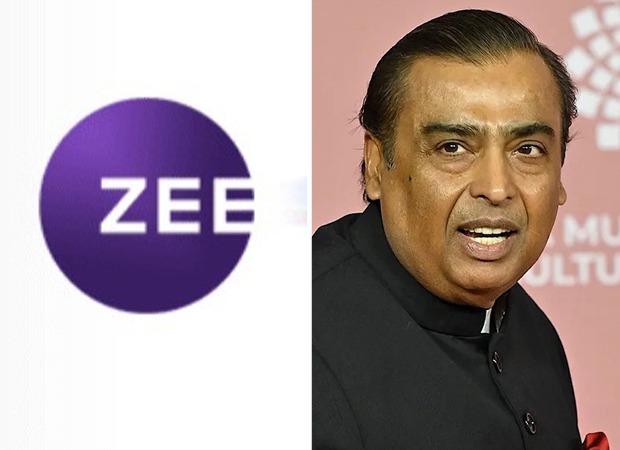
The dynamic landscape of India’s entertainment industry is witnessing a significant legal confrontation that could have far-reaching implications for Bollywood, streaming platforms, and content creators alike. Zee Entertainment Enterprises, one of the country’s most venerable media conglomerates, has formally taken legal action against JioStar— a joint venture between Reliance Industries and The Walt Disney Company— accusing it of unauthorized use of copyrighted music content. This high-profile dispute underscores the growing tensions around content ownership, licensing rights, and intellectual property in India’s rapidly expanding media ecosystem.
Details of the Lawsuit: Allegations and Court Proceedings
On April 14, a New Delhi court was the stage for Zee’s assertive move, with the company seeking damages estimated at approximately $3 million (around Rs. 25 crore) and demanding an immediate cessation of the alleged infringements. According to court documents reviewed by Reuters, Zee claims that its extensive music catalogue— comprising over 19,000 songs across multiple languages— was used illegally at least 50 times across JioStar’s television programs and streaming content platforms after licensing agreements between the two entities had expired in 2024 and 2025.

In its legal filing, Zee emphasized that the unauthorized exploitation of its copyrighted material constitutes a clear breach of intellectual property rights, asserting that JioStar’s actions are “copyright infringement.” The company has urged the court to order a temporary restraining order to prevent further use of its content while the case is under review. This move comes amid rising concerns over content piracy and unauthorized distribution, issues that are becoming increasingly prevalent in Bollywood and the broader Indian entertainment industry.
The Broader Context: Industry Dynamics and Merger Aftermath
This legal dispute is not isolated; it forms part of a broader series of disagreements stemming from the recent mega-merger valued at approximately $8.5 billion, which brought together Reliance Industries’ digital and media assets with Disney’s Indian operations. JioStar, the digital arm of Reliance, manages a vast portfolio of television channels and the popular streaming platform JioHotstar, which reportedly attracts around 500 million monthly users— a testament to its significant influence in the Indian streaming market.
Meanwhile, Zee, with its long-standing presence in Bollywood and Indian entertainment, continues to be a major player with its diverse content library, including music, television shows, and movies. Its catalogue of over 19,000 songs spans multiple languages and genres, making it a crucial custodian of India’s musical heritage. The ongoing legal battle highlights the escalating conflicts over content rights and licensing in a landscape where digital platforms are rapidly reshaping how Bollywood and regional entertainment are consumed.
Legal and Industry Implications
During a recent court hearing, the judge directed JioStar to ensure that no further copyright infringements occur during the legal proceedings and ordered the company to comply within 15 days. The next hearing is scheduled for July 23, a date eagerly awaited by industry stakeholders eager to see how the dispute unfolds.
JioStar has vehemently denied the allegations, asserting that it has taken extensive measures to remove any infringing content from its platforms. In its defense, JioStar argued that residual archival hosting of older programming does not amount to unlawful use— a point contested by Zee, which maintains that even archived content must be properly licensed and attributed.
Other Ongoing Disputes and Industry Tensions
This case is part of a series of legal confrontations involving both parties. Notably, Reliance is engaged in arbitration proceedings in London over a separate dispute related to cricket broadcasting rights, where Reliance reportedly seeks $1 billion in damages from Zee. These conflicts reflect the intense competition and complex negotiations around content rights, licensing, and distribution in India’s booming Bollywood and digital entertainment sectors.
Industry analysts observe that such disputes are symptomatic of a larger shift towards consolidation and the monetization of intellectual property in Bollywood and streaming services. As platforms vie for exclusive rights and control over popular content, legal battles like this underscore the importance of clear licensing agreements and robust copyright enforcement in safeguarding creators’ rights and ensuring fair value exchange.
Impact on Bollywood and Future Trends
The outcome of this high-stakes legal tussle could set important precedents for Bollywood and the broader Indian entertainment industry. A ruling in favor of Zee might reinforce the importance of strict licensing compliance and deter unauthorized use of copyrighted material by streaming platforms. Conversely, a ruling favoring JioStar could lead to a reassessment of how residual archival content is managed and licensed in the digital age.
Moreover, this case highlights the evolving nature of content ownership in Bollywood. With the rapid digitization of music, movies, and television, rights management is becoming increasingly complex. As Bollywood continues to expand its global footprint, safeguarding intellectual property rights will be crucial for protecting the interests of creators, producers, and rights holders.
Broader Industry Context: Bollywood’s Digital Revolution and Copyright Challenges
The dispute between Zee Entertainment and JioStar exemplifies the broader challenges faced by Bollywood in navigating the digital revolution. Streaming platforms like JioHotstar have transformed how audiences access Bollywood films, music, and television shows, leading to a new era of content consumption that is fast-paced and highly competitive.
However, this digital shift also raises critical questions about copyright enforcement, licensing transparency, and fair remuneration. Bollywood’s rich musical heritage, with its thousands of iconic songs, is a prime target for unauthorized use, which can undermine artists’ rights and revenue streams. Ensuring that copyright laws keep pace with technological advancements is vital for the sustainable growth of Bollywood’s creative industries.
Conclusion: A Pivotal Moment for India’s Entertainment Industry
The legal showdown between Zee Entertainment and JioStar signifies a pivotal moment in Bollywood’s ongoing evolution. As the industry grapples with issues of intellectual property rights, licensing, and digital content management, the court’s decision will likely influence future policies and business practices. It underscores the necessity for clear, enforceable agreements and the importance of respecting creative rights in an era dominated by streaming giants.
With Bollywood’s global influence continuing to grow, safeguarding the integrity of its creative assets remains paramount. This case not only highlights the importance of robust copyright protections but also serves as a reminder that sustainable growth in India’s entertainment sector hinges on fair and transparent content management practices. As stakeholders wait for the court’s verdict, one thing is certain: the stakes are high, and the outcomes could shape Bollywood’s digital future for years to come.
Stay tuned for updates on this developing story and its implications for Bollywood, streaming platforms, and the wider Indian entertainment industry.