
Amit Trivedi’s Unexpected Route Into Bollywood Music
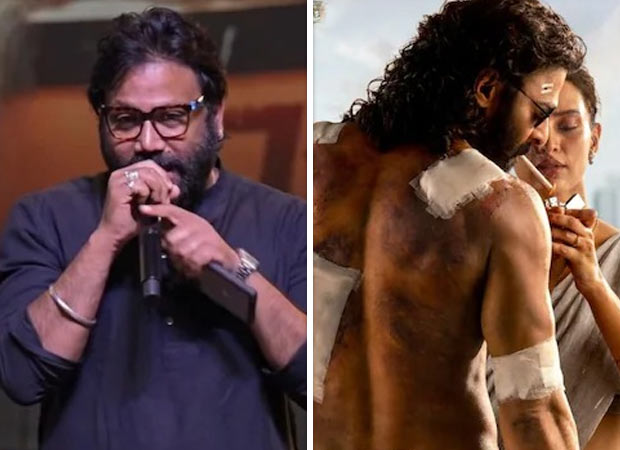
Music composer Amit Trivedi did not set out to build a career in Bollywood. Before becoming one of Hindi cinema’s most recognisable contemporary composers, he performed in stage musicals, worked in advertising and television, and hoped to make independent music. In a conversation with film trade analyst Komal Nahta, Trivedi recalled how a friendship with singer Shilpa Rao—and an introduction to filmmaker Anurag Kashyap—eventually drew him into the film industry.
His story offers a glimpse into a less conventional path to a Bollywood breakthrough: not a long-held ambition to score films, but a creative collaboration that gradually opened an unexpected door.

From stage performances to advertising studios
Trivedi said his early work included musical performances on stage, followed by four or five years in advertising and a period in television. Although he was building experience as a musician, his goal was to explore independent music rather than compose for movies. Film work, he explained, was not part of his original plan—and the industry was not something his family had connections to.
That background helps explain why the prospect of meeting filmmakers felt daunting. Trivedi described himself at the time as shy and comfortable in his own small creative world. The scale and unfamiliarity of the film business seemed intimidating, particularly when he had imagined a different future for his music.
How Shilpa Rao became a key collaborator
While working in advertising, Trivedi met Shilpa Rao, who regularly sang for commercial projects in studios. He was immediately drawn to her voice, but their connection went beyond professional admiration: he also found her warm and personable, and the two became close friends.
Trivedi eventually shared an idea with Rao. He wanted to create an album with her, and she agreed to collaborate. One of the first songs they made together was “Dhol Yaara Dhol,” a composition that would later become part of the soundtrack for Anurag Kashyap’s 2009 film Dev.D.
At the time, however, Trivedi imagined a very different release plan. He hoped to make a music video for the song and pitch it to channels such as MTV or Sony. In his mind, the project belonged to the independent music scene—not to a feature film soundtrack.
A song takes an unexpected turn
Rao, as Trivedi recalled, saw wider possibilities for the material. She took the song and other recordings to film directors, helping bring the music to the attention of people working in cinema. When Nahta suggested that Rao had struggled on Trivedi’s behalf, the composer laughed and acknowledged that the description was fair “in a way.”
Rao later called him with news: she had met Anurag Kashyap and played him some of their work. She asked Trivedi whether he would come and meet the director. His first reaction was hesitation. He questioned why they were moving toward films when they had been planning an independent album, joking that the film world was not really his scene.
That reluctance was not a lack of confidence in the music, but a response to unfamiliar territory. Trivedi said he felt more at ease pursuing his own modest plans than stepping into an industry that appeared overwhelming. Rao’s initiative, however, gave him the chance to meet a filmmaker who would become central to his early journey in Bollywood.
Meeting Anurag Kashyap—and watching No Smoking
Trivedi remembered Kashyap as welcoming and reassuring during their first meeting. The timing was notable: Kashyap’s Black Friday had recently been released, while work was underway on No Smoking, the 2007 film starring John Abraham, with Paresh Rawal and Ranvir Shorey in supporting roles.
Kashyap showed the visitors a raw version of No Smoking, before it had been completed with background music and dubbing. For Trivedi, seeing a film in that unfinished form was a new experience. He joked that he did not understand what he had watched and began worrying about how he would respond if Kashyap asked for his opinion.
The anecdote is an amusing contrast with the confidence audiences might associate with a successful composer. It also reveals how much of a film’s atmosphere is shaped in post-production. Music, sound design and dubbing can transform an incomplete cut, guiding a viewer’s emotions and helping a story feel cohesive. At that first screening, Trivedi was seeing the film before many of those elements had taken shape.
From an independent-music plan to a lasting film partnership
The path from “Dhol Yaara Dhol” to Dev.D became a formative chapter in Trivedi’s career. Rather than arriving in Bollywood through a deliberate campaign to become a film composer, he entered through a song created for a different purpose and a friend who recognised its potential in another setting.
That origin story also reflects how creative careers often develop: a project can move beyond its original boundaries when collaborators introduce it to new audiences. Rao’s role was especially important in connecting Trivedi’s independent ambitions with Kashyap’s filmmaking world. What began as a plan for an album and music video ultimately helped place his work within a feature film.
Trivedi’s recollection is a reminder that a composer’s career is shaped not only by musical skill, but also by timing, collaboration and the willingness to accept an unexpected invitation. His initial doubts did not prevent him from taking the meeting—and that meeting helped set the stage for a distinctive presence in Bollywood music.
For fans, the story adds context to the creative journey behind Dev.D and the early collaboration between Trivedi, Rao and Kashyap. It also shows that even artists who do not initially dream of working in films can find their way into cinema when the right song, partnership and opportunity come together.