Bollywood Veteran Amol Palekar Voices Solidarity with Students Protesting NEET Paper Leak
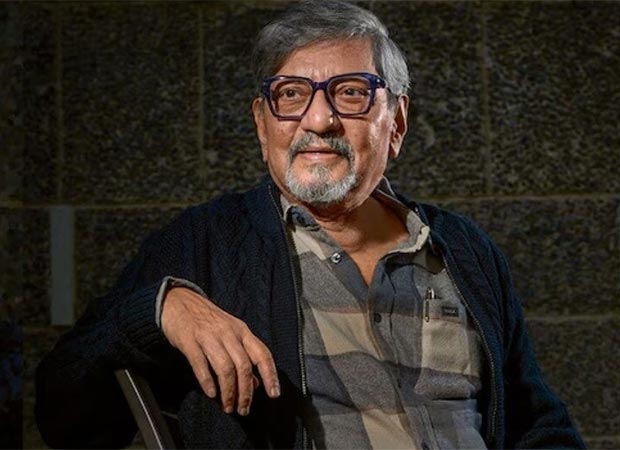
In a powerful display of support for youth-led activism, renowned Bollywood actor and acclaimed filmmaker Amol Palekar has publicly expressed his solidarity with students protesting against the recent NEET (National Eligibility cum Entrance Test) paper leak in India. Through an eloquent open letter, Palekar not only commended the courage and resilience of the protesting students but also highlighted the broader significance of their movement within the framework of democratic values and social justice.
Amol Palekar’s Open Letter: A Call for Courage and Democracy
Addressing the young protesters as “Dear brave students,” Palekar’s heartfelt message resonates deeply with those fighting for accountability and reform in India’s education system. He articulated his admiration for their bravery, emphasizing that they are carrying forward the unfinished work of democracy—a responsibility that each generation inherits but must actively uphold.

“Every generation inherits the unfinished work of democracy. Yours has accepted both the burden and the privilege of carrying it forward,” Palekar wrote, acknowledging the importance of youth activism in shaping a just society. His words serve as a reminder that the fight for transparency and fairness is a collective effort transcending individual protests, echoing the enduring spirit of democratic resistance.
Drawing Parallels with Global and Historical Movements
Palekar’s letter weaves in references to significant historical and global student movements, drawing parallels between the present-day protests and iconic struggles for justice. He mentioned the tumultuous student protests of 1968 in Paris, the anti-apartheid movement in South Africa, the Tiananmen Square demonstrations in China, and the Navnirman Andolan in Gujarat—each representing moments when young voices challenged oppressive systems.
He emphasized that attempts to silence or suppress youth voices—whether through police brutality or censorship—have historically failed to quell the innate human desire for freedom and justice. “History shows us that the quest for liberty and dignity cannot be silenced by violence or intimidation,” he noted, reinforcing the resilience of student activism across borders and eras.
Condemnation of Police Violence and Call for Democratic Values
Palekar expressed his deep concern and distress upon witnessing the police action against protesting students in Delhi. The visuals of police baton charges and force used against unarmed students left him profoundly disturbed. “The images of brutality inflicted upon you have filled us with anguish and anger,” he stated, condemning the suppression of peaceful protests and underscoring the importance of safeguarding democratic rights.
He asserted that universities are essential spaces for societal growth, where questioning authority and demanding accountability are fundamental democratic responsibilities. When authorities respond to these questions with violence instead of dialogue, it diminishes the very fabric of democracy. “When questions are answered with batons instead of reason, it is not the students who stand diminished. It is the State,” he declared.
Why Amol Palekar Chose Not to Join the Protest in Person
While Palekar passionately supports the movement, he clarified why he chose not to participate physically in the protests. Due to advancing age and health considerations, he explained that he is unable to join the demonstrations on the ground. Nevertheless, his commitment remains unwavering. He deliberately refrained from participating publicly to ensure that the focus remains on the students and their cause, not on celebrity appearances.
“This is your movement, your voice, your moment of moral courage,” he emphasized. “You do not need celebrity validation. Democratic movements derive their legitimacy from the courage of those at their center, not from the visibility of those who stand beside them.”
Ongoing Support and Encouragement for the Youth
Palekar concluded his message by reaffirming his and his wife Sandhya’s unwavering support for the students, offering assistance in various forms—legal, medical, and financial—within their means. His words serve as an encouragement to the youth, urging them to stay hopeful and resilient amid adversity.
“Today you may be called students. Tomorrow you will be known as the generation that chose courage over silence,” he wrote. “The future belongs to those who refuse to surrender their humanity.”
Context: The NEET Paper Leak and Broader Education Reforms
The protests erupted in response to the recent NEET paper leak, which has sparked widespread outrage across India. Students and their supporters allege systemic corruption, lack of transparency, and failure of authorities to ensure fair examination processes. The movement has quickly gained momentum, turning into a broader call for education reforms, accountability, and justice.
In addition to the support from figures like Palekar, the movement has garnered backing from several Bollywood personalities and film industry veterans, who have voiced their solidarity through social media and public statements. Their messages emphasize the importance of peaceful protest, dialogue, and systemic change, highlighting how the entertainment industry recognizes the critical role of youth activism in shaping a better future for India.
Bollywood’s Role in Supporting Social Movements
Bollywood, often dubbed the heart of Indian culture and entertainment, has historically played an influential role in fostering social awareness and activism. In recent times, numerous actors, directors, and producers have used their platforms to advocate for social justice issues, including education reforms, gender equality, and environmental sustainability.
Amol Palekar’s recent open letter exemplifies the growing trend of Bollywood personalities speaking out on pressing societal issues beyond their cinematic roles. Their voices lend visibility and legitimacy to grassroots movements, inspiring millions of fans and followers to participate in civic activism.
Future Outlook: Youth Power and Democratic Resilience
The ongoing protests symbolize a burgeoning sense of youth empowerment and democratic resilience in India. As students continue to demand justice and systemic reforms, their courage echoes the timeless struggle for human rights and social justice that has defined many of the world’s most significant movements.
Leaders like Amol Palekar remind us that true change often begins with the voices of the young, unafraid to challenge authority and stand up for their rights. Their resilience and unwavering spirit are shaping the future—one where democracy is strengthened through active participation and courageous resistance.
Conclusion: A Call for Dialogue and Systemic Change
As the nation watches the unfolding protests and the response from authorities, the message from Bollywood’s veteran actors—embodying the spirit of democracy and social justice—remains clear. It underscores the importance of listening to the youth, respecting their voices, and engaging in meaningful dialogue to bring about lasting reforms.
Amol Palekar’s heartfelt support serves as a reminder that in a vibrant democracy, the voices of the young are not just heard—they are essential for shaping a just and equitable future. As India navigates this critical juncture, the collective hope is that compassion, understanding, and democratic values will prevail, ensuring that every generation can carry forward the torch of progress and justice.