Controversy Erupts in Bollywood Over Remix Credits of Classic Song ‘Saat Samundar Paar’
In the ever-evolving landscape of Bollywood music, remixes and reinterpretations of iconic songs have become commonplace. However, recent developments have sparked a significant controversy involving the legendary song ‘Saat Samundar Paar’ from the 1992 blockbuster Vishwatma. At the center of this dispute is Rakesh Anand Bakshi, son of the renowned late lyricist Anand Bakshi, who has publicly voiced his displeasure over how the credits for the song’s latest remix have been attributed.

Background: The Legacy of ‘Saat Samundar Paar’
‘Saat Samundar Paar’ is not just a song; it is a treasured piece of Bollywood history. Composed by Viju Shah with lyrics penned by the legendary Anand Bakshi, the song became an instant classic upon its release. Its catchy tune, memorable lyrics, and vibrant picturization made it a favorite across generations. Over the years, it has been celebrated as one of Bollywood’s most iconic tracks, often associated with the golden era of Hindi cinema.
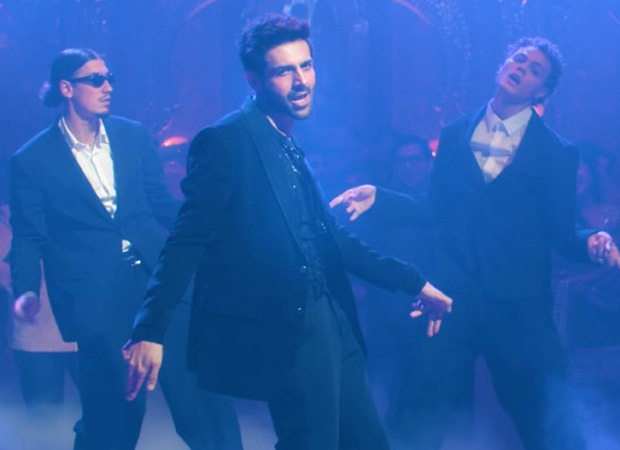
In recent times, however, the song has been revisited and remixed, as is common with Bollywood’s trend of revitalizing old hits for contemporary audiences. The latest remix was featured in the film Tu Meri Main Tera Main Tera, starring popular actors Kartik Aaryan and Ananya Panday. The remix aimed to introduce the classic to a new generation, but it also brought to light issues surrounding crediting practices in Bollywood music remakes.
The Remix and the Controversy Over Crediting
In the newly released version of ‘Saat Samundar Paar,’ the credits list both the original lyricist Anand Bakshi and a performer named Karan Nawani as co-lyricists. This decision has sparked widespread debate within the industry and among fans. Rakesh Bakshi, who inherited his father’s legacy, took to Instagram on December 24 to voice his concerns.
He expressed his dissatisfaction with the decision to credit Nawani as a co-lyricist, arguing that the addition of just a line or two does not warrant such recognition. Rakesh emphasized that the original credits, which clearly distinguish between ‘original’ and ‘additional’ contributions, should be upheld for both music and lyrics. He stated, “Adding one or two lines to an existing lyrics sheet does not make someone a co-lyricist. The producer and/or publisher should not claim credit for a writer or singer based on minimal modifications.”
Preserving the Spirit of the Original Song
Beyond the technicalities of crediting, Rakesh Bakshi expressed concern over the artistic integrity of the remix. He criticized the newly added lyrics as a mismatch with the spirit and essence of his father’s original work. According to him, such modifications disrupt the flow and intent of the song, undermining its nostalgic value and cultural significance.
He also called out industry practices that often blur the lines of creative contribution, urging the industry to adopt more transparent and fair crediting standards. Rakesh specifically tagged the renowned music label Saregama Music and the involved artists, advocating for reforms that recognize original creators’ contributions accurately, especially on streaming platforms where such issues are increasingly prominent.
Public and Industry Response
The remix has garnered mixed reactions from the Bollywood fanbase and industry insiders alike. While some appreciate the effort to modernize a beloved classic, many critics feel that the remix does not do justice to the original’s charm. Critics argue that altering iconic lyrics without proper acknowledgment dilutes the song’s cultural importance and disrespects the original creators.
This controversy highlights a broader debate within Bollywood about the ethics of remixing and the importance of maintaining artistic integrity. As remixes become a staple of Bollywood music strategy, questions about fair recognition and respectful treatment of original artists and lyricists are gaining prominence. Industry experts suggest that clearer guidelines and stricter enforcement of crediting standards are urgently needed to prevent similar disputes in the future.
What This Means for Bollywood and Its Future
The ongoing debate over the credits for ‘Saat Samundar Paar’ is emblematic of larger issues within Bollywood, especially regarding copyright, intellectual property rights, and ethical practices. As Bollywood continues to grow as a global entertainment powerhouse, safeguarding the rights of original creators becomes more critical than ever.
Furthermore, the controversy underscores the importance of respecting artistic legacies. Original lyricists like Anand Bakshi have contributed immensely to Bollywood’s musical heritage, and any reinterpretation must honor that legacy. Industry stakeholders are now being called upon to establish transparent, fair, and respectful practices for remixing and crediting, ensuring that the contributions of original artists are recognized and preserved.
Looking Ahead: Industry Calls for Reform
From songwriters to producers, there is a growing consensus that Bollywood needs to overhaul its approach to remixes and credits. Many industry veterans believe that clear distinctions between original and remixed content should be mandated across all platforms, including streaming services. Proper acknowledgment not only respects the creative process but also builds trust with audiences who value authenticity and integrity.
In light of this controversy, some suggest that Bollywood should develop standardized guidelines for remix credits, possibly involving legal frameworks that protect original artists’ rights. As Bollywood continues to evolve, striking a balance between innovation and respect for its rich musical heritage remains essential.
Conclusion: Respecting Bollywood’s Musical Heritage
The dispute surrounding the remix of ‘Saat Samundar Paar’ serves as a reminder of the vital importance of respecting artistic legacies in Bollywood. As remixes and reinterpretations proliferate, industry stakeholders must prioritize fairness and transparency to honor the contributions of original creators like Anand Bakshi.
Rakesh Bakshi’s vocal stand underscores the need for Bollywood to uphold ethical standards that recognize authentic creativity. Moving forward, it is crucial for the industry to implement clearer policies that protect artists’ rights and ensure that the magic of Bollywood’s musical heritage continues to thrive in a respectful and equitable manner.
As fans and industry insiders await the release of Tu Meri Main Tera on December 25, 2025, this controversy offers a valuable lesson: the soul of Bollywood’s music lies in its authenticity, legacy, and the genuine acknowledgment of those who craft its timeless melodies.