Ananya Panday on Nepotism, Gen Z and Safety in Bollywood
Ananya Panday has spoken candidly about three subjects that frequently shape conversations around Bollywood: nepotism, the changing definition of success among younger people, and safety at public events. Speaking at the 24th Hindustan Times Leadership Summit in New Delhi on Saturday, the actor said she is proud of her family background, grateful for the opportunities she has received and unwilling to treat her connection to her father as something to hide.
The discussion offered a glimpse into how Panday views her place in the Hindi film industry. Since making her debut in Student of the Year 2 in 2019, she has often been part of the wider debate about star families and access to opportunities. Rather than distancing herself from that conversation, she said acknowledging her background is more honest than pretending it has played no part in her journey.

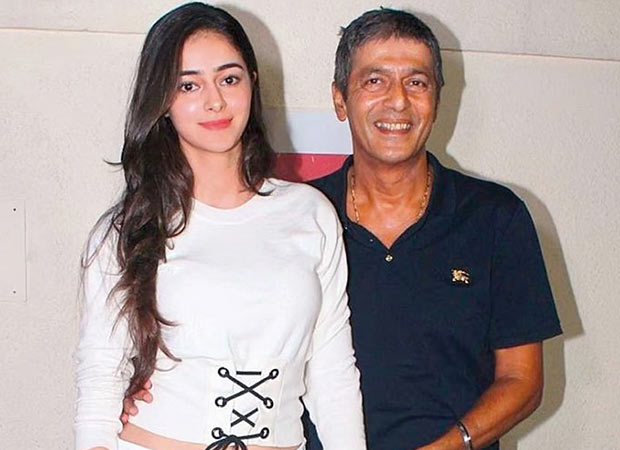
Ananya Panday says she is proud to be Chunky Panday’s daughter
Panday said she sees no reason to avoid identifying herself as the daughter of actor Chunky Panday. She expressed admiration for her father and said she does not want their relationship to be viewed as a negative association.
“I think there’s no point in not acknowledging it. I am very proud to be my father’s daughter,” she said, adding that she would never want to be disconnected from Chunky Panday. Her comments reflect a straightforward position in a debate that can sometimes become polarised: she accepts that her family name is part of her story while also recognising that it can influence how audiences and critics assess her career.
Nepotism remains a recurring topic in Bollywood, particularly when actors from film families make their debuts. The discussion often centres on access—such as the ability to meet influential filmmakers, gain visibility or secure an early opportunity—and on whether newcomers without industry connections receive the same chances. Panday’s remarks do not dismiss those concerns. Instead, they underline her view that acknowledging privilege is preferable to denying it.
The actor also spoke openly about gratitude for the career she has been able to pursue. “Contrary to whatever people may believe about me, I wake up every day and thank God I get to live my dream. I am lucky, privileged,” she said. Her comments recognise that opportunity and effort can exist alongside one another: being fortunate enough to enter an industry does not mean a performer stops working, but it does shape the starting point of their career.
Why Panday says Gen Z is “badnaam for no reason”
The summit conversation also turned to stereotypes about Generation Z. Young people are often described as entitled, unwilling to work long hours or lacking the patience required to build a career. Panday pushed back against those generalisations, suggesting that younger people may simply measure success differently from previous generations.
“I think Gen Z is badnaam for no reason honestly!” she said. In her view, older ideas of achievement were often tied to following a particular path, while people in her generation may pursue a wider range of goals and working styles. Success, she suggested, does not have to look identical for everyone.
Panday described herself as someone who enjoys a demanding schedule and thrives in a fast-moving environment. At the same time, she noted that another person her age might be just as successful without working in exactly the same way. Her point was not that hard work is unimportant, but that long hours are not the only measure of ambition or commitment.
The distinction is increasingly relevant across creative industries, where careers can involve irregular schedules, multiple projects and periods of intense public attention. Younger workers may place greater emphasis on flexibility, personal priorities and defining achievement on their own terms. That approach can be misunderstood as a lack of dedication, even when the goals and work habits are simply different.
Panday’s comments also leave room for individual choice. Rather than presenting Gen Z as a single group with one set of values, she acknowledged that people within the same generation can have contrasting routines and ambitions. For her, the more useful question may be whether someone is progressing towards their own goals—not whether their working life matches an older template.
Actor raises concerns about safety at events
Another topic at the summit was safety in the film industry, following threats issued to actor Tiger Shroff. Panday described the situation as frightening and said it should prompt organisers and authorities to take safety planning more seriously.
She stressed that the issue extends beyond protecting actors. Public appearances, premieres and large gatherings bring together performers, staff, security teams, journalists and fans, all of whom may be affected if safety measures are inadequate. “It’s very scary,” she said, adding that the situation could make people less casual about precautions for everyone involved.
Her remarks highlight the shared responsibility that comes with high-profile events. Effective planning can include assessing potential risks in advance, coordinating with trained security personnel, managing entrances and exits, and ensuring that attendees can receive help quickly if an incident occurs. The exact measures depend on the event, but Panday’s broader point is that crowd safety should be considered alongside the protection of public figures.
For Bollywood, where actors regularly attend promotional events and public celebrations, security concerns can affect both the people in the spotlight and the fans who come to see them. Panday’s comments place the focus on prevention and preparedness rather than treating safety as a concern limited to celebrities.
A candid conversation about privilege and responsibility
Panday’s appearance at the Hindustan Times Leadership Summit brought together personal reflections and wider industry questions. She spoke about her family background without attempting to erase the advantages associated with it, defended Gen Z against broad-brush criticism and called for greater attention to safety at public gatherings.
Her comments are likely to keep the conversation around nepotism in Bollywood alive, but they also point to the value of nuance. Acknowledging privilege does not settle the debate over fair access, just as a different approach to work does not automatically signal a lack of ambition. By addressing these topics directly, Panday presented her perspective as both a young actor building a career and someone aware of the wider discussions surrounding the industry.