Bollywood Voices Emerge Against Controversial Film ‘The Kerala Story’: Anurag Kashyap Breaks Silence
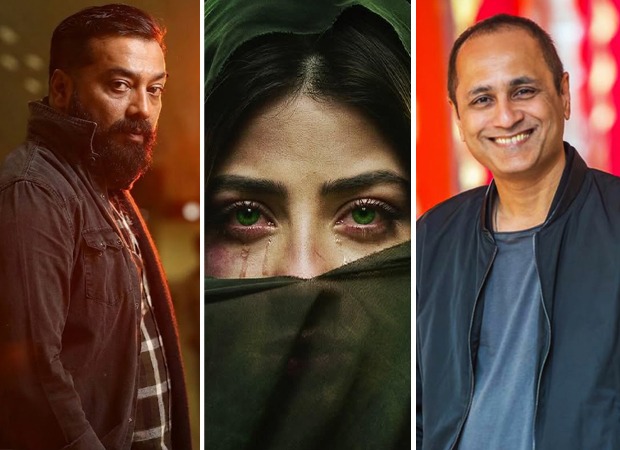
The Indian film industry, particularly Bollywood, has long been a platform for diverse voices—ranging from celebrated actors and directors to critics and social commentators. Recently, the spotlight has shifted to the heated debates surrounding the controversial film The Kerala Story. While many industry figures have vocally condemned the film’s propagandist tone and its divisive messaging, one prominent filmmaker from Bollywood, Anurag Kashyap, has taken a bold stand, becoming the first major personality from the Hindi film fraternity to openly criticize the film’s content.
Bollywood’s Response to ‘The Kerala Story’: Kashyap’s Candid Critique
Anurag Kashyap, known for his fearless filmmaking and unapologetic opinions, did not hold back when expressing his views on the film. In a recent interview, he described The Kerala Story as “bullsh*t propaganda,” sharply criticizing its narrative and intent. Kashyap’s comments highlight a growing concern within Bollywood about the impact of such films that appear to manipulate societal sentiments for commercial gains.

Dissecting the Controversial Scenes
One of the most debated scenes from the trailer of The Kerala Story 2 features a woman being force-fed beef—a portrayal that many viewers and critics have found exaggerated and inflammatory. Kashyap addressed this specific scene with characteristic candor, questioning its authenticity and purpose. He remarked, “Aisa beef kaun khilata hai? Aisa koi khichdi bhi nahi khilata hai” (“Who feeds someone beef like this? No one is fed even khichdi in this manner”).
This sharp critique underscores Kashyap’s belief that such sensationalized scenes are deliberately crafted to evoke strong emotional reactions, often at the expense of truth and nuanced storytelling. The filmmaker’s perspective resonates with a broader concern about the rise of politicized cinema in Bollywood, which sometimes blurs the lines between entertainment and propaganda.
The Business of Divisive Cinema
Beyond the content of The Kerala Story, Kashyap took a stand on the underlying motives of the filmmakers behind such projects. He accused them of prioritizing profit over integrity, suggesting that their primary goal is to “please everybody” and, in doing so, sow discord among communities. His words reflect a sentiment shared by many critics and industry insiders who believe that Bollywood should uphold responsible storytelling rather than fueling divisiveness for commercial success.
“They just want to make money and divide people,” Kashyap asserted, emphasizing the importance of cinema as a medium that should unite rather than divide. His critique extends beyond this film, serving as a reminder of the powerful influence Bollywood films wield in shaping societal narratives and perceptions.
Bollywood’s Ongoing Battle with Political and Social Narratives
The controversy surrounding The Kerala Story is not isolated; it is part of a larger pattern where Bollywood films have increasingly become battlegrounds for ideological conflicts. Films that touch upon sensitive religious, political, or social issues often face scrutiny, censorship, or praise depending on the narrative’s alignment with certain viewpoints.
In recent years, Bollywood has seen a surge in movies that aim to depict social realities, but some productions have been accused of sensationalism. The debate over The Kerala Story exemplifies this tension, with critics warning that such films can distort facts and perpetuate stereotypes, ultimately influencing public opinion in potentially harmful ways.
The Significance of Industry Voices in Shaping Public Discourse
While social media has amplified voices from all corners, the opinions of established Bollywood personalities like Anurag Kashyap carry particular weight. Kashyap’s outspoken stance not only challenges the narratives promoted by some filmmakers but also encourages a more critical viewing audience. His comments serve as a call for responsible cinema—films that entertain, inform, and uplift without falling prey to sensationalism or divisiveness.
Moreover, Kashyap’s critique reflects a broader movement within Bollywood advocating for authentic storytelling rooted in truth and social responsibility. As Bollywood continues to evolve, the industry’s collective voice will play a crucial role in determining the direction of future projects, especially those with the potential to influence societal harmony.
Broader Implications for Bollywood and Society
The debate surrounding The Kerala Story is emblematic of the ongoing struggle between artistic expression and political or ideological agendas in Bollywood. Films are powerful cultural artifacts capable of shaping perceptions and fostering dialogue. When they veer into sensationalism or propaganda, they risk undermining the very spirit of responsible storytelling.
Bollywood, often regarded as India’s soft power, has a unique opportunity—and responsibility—to promote messages that foster unity, tolerance, and understanding. Industry veterans like Anurag Kashyap exemplify the importance of critical voices that challenge the status quo and advocate for ethical filmmaking practices.
Conclusion: Bollywood’s Path Forward
As Bollywood continues to navigate the complex landscape of social and political issues, the voices of filmmakers like Anurag Kashyap serve as vital guiding lights. His outspoken critique of The Kerala Story underscores the need for films to prioritize truth, responsibility, and social harmony over sensationalism and profit. Moving forward, the industry must strike a delicate balance—producing compelling content that respects diversity and promotes unity, while resisting the temptations of divisive propaganda.
Ultimately, Bollywood has the power to shape narratives not just for entertainment, but for societal progress. The ongoing discussions and debates around films like The Kerala Story highlight the importance of responsible storytelling—an essential step toward a more inclusive and understanding India, both on and off the big screen.