Bollywood’s Upcoming War Drama “Battle of Galwan” Sparks International Controversy
In the ever-evolving landscape of Bollywood, where cinematic storytelling often pushes boundaries and explores national histories, the upcoming war drama “Battle of Galwan” has become a focal point of intense debate and media scrutiny. Starring Bollywood superstar Salman Khan, the film aims to shed light on one of the most harrowing and significant clashes between India and China in recent history—the 2020 Galwan Valley skirmish. However, its release and promotional materials have ignited controversy not just within India but also across international borders, notably drawing sharp criticism from Chinese state-run media outlets.
The Film’s Premise and Significance in Bollywood’s War Genre
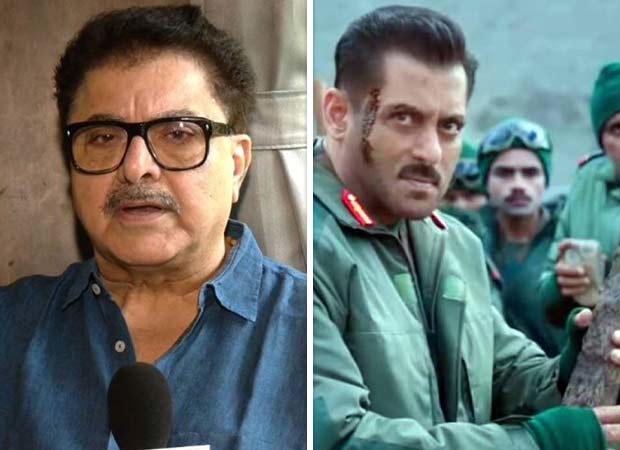
“Battle of Galwan” is a highly anticipated war drama set against the backdrop of the July 2020 clash in the Galwan Valley, a remote and strategically sensitive area along the Line of Actual Control (LAC). Directed by Apoorva Lakhia, the film seeks to dramatize the intense hand-to-hand combat between Indian and Chinese soldiers, emphasizing themes of patriotism, sacrifice, and resilience. Salman Khan, renowned for his mass appeal and powerful screen presence, takes on the role of Colonel Bikkumalla Santosh Babu, the commanding officer of the 16 Bihar Regiment who was among the fallen heroes of that brutal confrontation.

Bollywood has a storied history of producing war films that resonate deeply with national sentiments, from classics like Border and LOC Kargil to recent successes such as Kesari. “Battle of Galwan” continues this tradition, aiming to portray not just the strategic and military aspects but also the human stories behind the conflict. The film is scheduled for release on April 17, 2026, and is already generating buzz for its star cast, compelling narrative, and patriotic undertones.
International Reactions: Chinese Media Criticizes the Film
However, the film’s announcement has not been met with universal acclaim. Chinese state-run media outlets, including the well-known Global Times, have issued pointed criticisms, claiming that the film attempts to distort historical facts regarding the Galwan clash. The Global Times published a commentary asserting that “Battle of Galwan cannot rewrite history” and accused the film of presenting a one-sided narrative that favors Indian perspectives while undermining China’s role and actions during the conflict.
Critics in China also questioned the accuracy of the film’s portrayal of the events, suggesting that the depiction of Indian sacrifices and heroism is exaggerated or overly dramatized. These accusations are rooted in longstanding tensions between the two countries, with China perceiving the film as a potential tool of propaganda that could influence public opinion and diplomatic relations.
Indian Perspectives and the Response from Bollywood
In stark contrast to the Chinese media’s reaction, prominent figures within Bollywood and Indian film circles have defended the project vigorously. Ashoke Pandit, a veteran filmmaker and Chief Advisor of the Federation of Western India Cine Employees (FWICE), dismissed the criticism as predictable and driven by insecurity rather than factual concerns. In an interview with NDTV, Pandit emphasized that Indian filmmakers have the right to depict their history and that such films serve as a testament to the bravery of Indian soldiers.
“When an Indian filmmaker makes a film, it’s natural that they will highlight activities of our enemies and expose their tactics,” Pandit explained. “Our security forces are incredibly brave, and it’s only fair that their sacrifices are recognized and portrayed authentically. The reaction from China stems from their insecurity about how their actions are being depicted.”
Similarly, producer Rahul Mitra echoed these sentiments, asserting that credible filmmaking involves meticulous research, and established industry professionals like Apoorva Lakhia and Salman Khan would not risk their reputations by producing a film that distorts historical facts. “Our filmmakers are committed to truth, and if the film is made with integrity, it will resonate with audiences and succeed at the box office,” Mitra added.
The Cultural and Political Significance of the Film
“Battle of Galwan” is more than just a war film; it is a reflection of India’s growing confidence in its cinematic voice and its willingness to confront complex and sensitive historical narratives through Bollywood’s storytelling prowess. The film aims to highlight the human cost of conflict, emphasizing the sacrifices made by Indian soldiers in high-altitude, perilous conditions. It also seeks to foster a sense of national pride and unity, themes that have historically been central to Bollywood’s portrayal of patriotic stories.
As the film navigates the geopolitics of the India-China relationship, it also raises important questions about the role of cinema in shaping public perception and national identity. Bollywood, with its global reach and massive fan base, serves as an influential platform capable of influencing discourse beyond India’s borders. The controversy surrounding “Battle of Galwan” underscores the power of Bollywood to ignite international debates on history, sovereignty, and cultural representation.
Additional Insights: The Impact of the Controversy on Bollywood’s International Image
The reactions from Chinese media highlight the delicate balance Bollywood must maintain when addressing sensitive topics involving neighboring countries. While the film is rooted in patriotic storytelling, its international reception could influence India’s diplomatic image. Bollywood’s reputation as a global cultural ambassador hinges on its ability to portray stories authentically while respecting differing perspectives.
Moreover, the controversy underscores the importance of responsible filmmaking and the need for nuanced storytelling that can foster understanding rather than deepen divisions. As Bollywood continues to expand its global footprint, films like “Battle of Galwan” exemplify how cinema can be a powerful tool for national expression, but also one that invites scrutiny and debate on the international stage.
Looking Ahead: What to Expect from “Battle of Galwan”
With its scheduled release in April 2026, anticipation around “Battle of Galwan” is mounting. Fans and critics alike are eager to see how the film balances action, emotion, and authentic storytelling. The film’s cast, led by Salman Khan, promises a compelling portrayal of heroism and sacrifice, and its production values are expected to set new standards for patriotic war dramas in Bollywood.
Additionally, the film’s release will likely spark further discussions on how Bollywood addresses sensitive historical and geopolitical issues. As the industry continues to evolve, “Battle of Galwan” exemplifies Bollywood’s capacity to tackle challenging subjects, and the ongoing debate is a testament to the film’s significance beyond entertainment.
Conclusion: A Reflection of Bollywood’s Bold Spirit
In the end, “Battle of Galwan” stands as a testament to Bollywood’s enduring tradition of patriotism and storytelling that reflects the pulse of a nation. While it faces criticism and controversy on the international front, it also highlights Bollywood’s role as a cultural force capable of addressing complex and contentious issues through cinematic artistry. As the film approaches its release, it promises to be a landmark in India’s cinematic history, reaffirming Bollywood’s place at the forefront of national discourse and global cultural exchange.