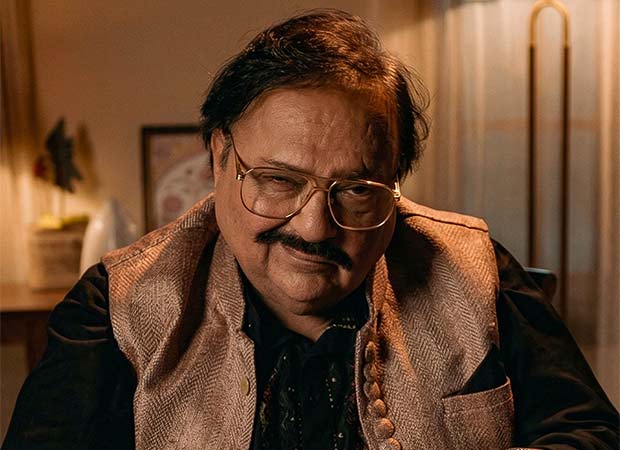

Legal Clash Erupts Between Bollywood Officer and Netflix Series Over Portrayal of Authorities
The vibrant world of Bollywood, often celebrated for its glitz and glamour, is currently embroiled in a tense legal dispute that has caught the attention of fans, industry insiders, and legal experts alike. At the heart of this controversy is a high-stakes battle between renowned Indian Income Tax Department officer Sameer Wankhede and the popular streaming giant Netflix, over its provocative web series The Ba***ds of Bollywood. Directed by Aryan Khan, the son of superstar Shah Rukh Khan, the show has ignited intense debates surrounding freedom of expression, artistic license, and the responsibilities of content creators in portraying real-life personalities and events.
Unraveling the Dispute: Wankhede vs. Netflix
Wankhede’s Legal Action: A Rs 2 Crore Defamation Suit
Sameer Wankhede, a prominent officer known for his role in high-profile investigations, has filed a Rs 2 crore defamation lawsuit at the Delhi High Court. Wankhede claims that the Netflix series depicts a government officer in a manner that is a veiled reference to him, thereby damaging his reputation and credibility. The lawsuit specifically points to the series’ portrayal of a character that closely resembles Wankhede, especially in the context of the 2021 Cordelia Empress cruise drug case involving Aryan Khan, Shah Rukh Khan’s son.

Wankhede’s legal counsel argues that the series’ depiction is not merely fictional entertainment but an intentional misrepresentation designed to tarnish his image. The lawsuit seeks to stop the streaming of The Ba***ds of Bollywood, asserting that the series crosses legal boundaries of defamation and personal insult. This move underscores the sensitive nature of Bollywood personalities’ portrayal in media and the ongoing debate about the limits of artistic expression in India’s vibrant entertainment industry.
Red Chillies Entertainment’s Defense: Artistic Freedom and Satire
In response, Red Chillies Entertainment, the production house behind the series, vehemently opposes Wankhede’s plea for an interim injunction to halt the show’s streaming. Senior advocate Neeraj Kishan Kaul, representing Red Chillies, contended that while the series draws inspiration from real-life incidents and personalities, it does not specifically target or depict Wankhede or the Cordelia cruise case.
Kaul emphasized the importance of safeguarding artistic freedom, stating, “Can satire and fiction coexist? There is no law prohibiting them from doing so. It is common for shows and movies to be inspired by real events, often accompanied by disclaimers. The core question is whether the portrayal is malicious or merely a reflection of societal issues.”
The lawyer further clarified that The Ba***ds of Bollywood is a satirical take on various issues plaguing Bollywood and its officials, not a documentary or targeted attack on any individual. “The series explores multiple themes—overzealous police officers, corruption, and the excesses of Bollywood parties. It is a composite reflection, not a direct depiction of any single incident or person,” Kaul explained.
Legal and Artistic Perspectives: Where Is the Line?
Balancing Freedom of Expression and Personal Rights
The ongoing legal tussle raises a fundamental question: where should the line be drawn between creative expression and personal defamation? Bollywood, known globally for its cinematic storytelling, often blurs the boundaries between reality and fiction. The courts are now tasked with adjudicating whether a dramatized portrayal can be considered protected artistic expression or if it unjustly harms an individual’s reputation.
Legal experts highlight that Indian law recognizes the right to free speech but also emphasizes the importance of protecting individuals from false and malicious representations. The challenge lies in determining whether the series’ content qualifies as satire, which is protected under freedom of expression, or if it constitutes defamation, which is punishable by law.
The Role of Satire in Bollywood and Indian Media
Satire has historically played an essential role in Bollywood and Indian media, often serving as a mirror to society’s hypocrisies and excesses. From parody films to satirical web series, creators have used humor and exaggeration to critique political, social, and cultural issues. However, the rise of digital streaming platforms like Netflix has intensified debates around responsible storytelling and the risk of misrepresentation.
Red Chillies’ counsel argues that the series is a form of satire that aims to entertain while also highlighting systemic issues within Bollywood and law enforcement. They contend that such creative works are protected under the constitutional right to freedom of speech and artistic expression, provided they do not cross into malicious defamation.
Implications for Bollywood and Content Creators
Legal Precedents and Future Content Regulation
This legal dispute could set significant precedents for how Bollywood and streaming platforms approach sensitive topics related to real-life personalities. If the court sides with Wankhede, it might lead to stricter regulations and potential censorship of content that portrays public officials or celebrities in a negative light. Conversely, a ruling favoring artistic freedom could bolster the creative community’s ability to produce bold, satirical narratives without fear of legal repercussions.
The case also underscores the growing influence of OTT (over-the-top) platforms in shaping public discourse and the responsibilities these platforms hold in ensuring content does not harm individuals’ reputations unjustly.
Public and Industry Reactions
The controversy has sparked a wide range of reactions within Bollywood and among fans. Some argue that creators should have the liberty to depict societal realities, even if they involve real individuals, as long as disclaimers are provided. Others believe that personal reputations must be protected against unwarranted portrayals, especially when such portrayals are exaggerated or satirical.
This debate echoes broader discussions about freedom of speech, artistic responsibility, and the boundaries of satire in Indian entertainment.
Upcoming Developments and What to Expect
The next hearing is scheduled for November 27, 2025, where the Delhi High Court will examine arguments from both sides, including Netflix’s defense. The outcome could influence how Bollywood and digital content creators navigate the complex landscape of portraying real-life events and personalities.
As the case unfolds, industry insiders and legal experts will be closely monitoring whether the court emphasizes protecting creative expression or prioritizes individuals’ rights to their reputation. The decision may also impact future web series and films inspired by real events, shaping the future of Bollywood storytelling in the digital age.
Conclusion: A Reflection of Bollywood’s Evolving Narrative
This legal tussle between Sameer Wankhede and Netflix’s The Ba***ds of Bollywood highlights the evolving dynamics of Bollywood’s portrayal in contemporary media. It underscores the tension between artistic freedom and personal rights—a debate that is becoming increasingly relevant in India’s rapidly expanding digital entertainment landscape.
While the outcome remains uncertain, one thing is clear: Bollywood continues to be a reflection of society’s complexities, contradictions, and aspirations. As creators push boundaries and courts grapple with nuanced legal questions, the industry stands at a crossroads—balancing the desire for bold storytelling with the need to respect individual dignity and reputation.
Fans and viewers worldwide eagerly await the next chapter in this high-profile legal saga, which promises to shape the future of Bollywood narratives on streaming platforms and beyond.