Bollywood and Beyond: The Rising Tide of Threats and Controversies in the Indian Entertainment Industry
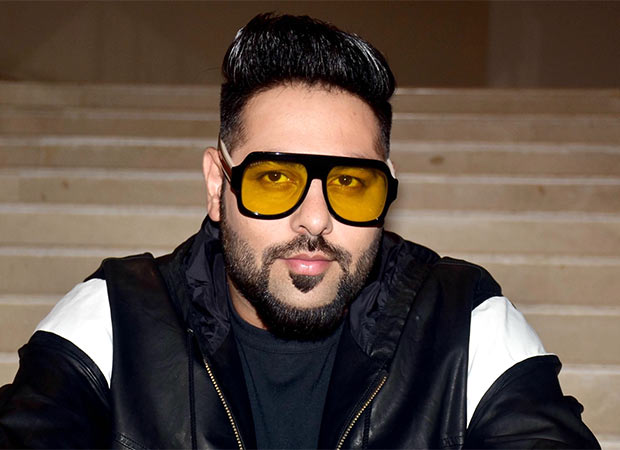
The Indian entertainment industry, particularly Bollywood, has long been a melting pot of creativity, controversy, and intense public scrutiny. Recently, a disturbing development has added fuel to this ongoing narrative—an explicit death threat issued by the notorious Lawrence Bishnoi gang to popular rapper and Bollywood personality Badshah. This alarming incident underscores the growing intertwining of crime, celebrity, and social media in India’s cultural landscape.

Background: The ‘Tateeree’ Controversy and Its Fallout
At the heart of this controversy is Badshah’s recent song, ‘Tateeree’, which has sparked widespread debate across social media and mainstream news platforms. Critics argue that the lyrics of the track include derogatory references to Haryanvi women, raising serious questions about artistic responsibility and cultural sensitivity in Bollywood and the broader music industry.
While some fans praise Badshah for his catchy beats and innovative style, others have condemned the song for allegedly perpetuating stereotypes and promoting disrespect towards women. This discord ignited further when certain sections of the public and social media users accused the artist of crossing ethical boundaries, prompting calls for accountability and, in some cases, demands for the song’s removal.
The Threat from Lawrence Bishnoi’s Gang: Details and Implications
In an ominous social media post, the Lawrence Bishnoi gang explicitly threatened Badshah’s life, claiming that they would take direct action in response to the song’s content. The post stated, “Singer Badshah, you tried to spoil the culture of Haryana. Earlier in 2024, we showed you a trailer at your club; this time we will shoot you directly in the forehead.”
This threat is not just a mere warning but a reflection of the perilous nexus between organized crime and the entertainment industry. The gang, notorious for its involvement in various criminal activities, has historically targeted individuals they perceive as disrespecting regional pride or societal norms. Their warning to Badshah signals a dangerous escalation—where artistic expressions are being met with violent repercussions.
Sources close to Badshah’s team have expressed concern over the safety of the artist and his associates, emphasizing that the threat has created a climate of fear and uncertainty. The incident has also put additional pressure on law enforcement agencies to ensure the safety of celebrities and artists amid rising threats and intimidation tactics.
Public and Industry Reactions: A Call for Responsible Creativity
The controversy has reignited the debate about the responsibility of Bollywood and the wider Indian music industry in shaping social narratives. Several industry insiders and fellow artists have voiced their concerns about the line between creative expression and social responsibility.
A well-known singer, who requested anonymity, commented, “Sometimes, a song’s intent is artistic, but the impact can be harmful. We must ask ourselves—why do some artists resort to provocative lyrics, especially those that sexualize or demean women? There are countless meaningful topics to address. Why resort to such controversial themes?”
This sentiment echoes a broader call within Bollywood and the Indian entertainment industry for more thoughtful and respectful content. Critics argue that the industry must balance artistic freedom with societal values, especially in a country where cultural sensitivities are deeply rooted.
Historical Parallels: When Bollywood Songs Sparked Controversy
Historically, Bollywood has faced similar controversies. For instance, singer Guru Randhawa encountered severe backlash for his song ‘Azul’, which was criticized for sexualizing schoolgirls in uniform—a reflection of how provocative content can ignite public outrage and legal scrutiny.
Such incidents underscore the importance of responsible songwriting and the potential consequences when artists cross societal boundaries. The recent threats to Badshah should serve as a wake-up call for creators in Bollywood to consider the social impact of their work carefully.
The Role of Social Media in Amplifying the Crisis
Social media platforms have played a pivotal role in spreading both the controversy and the threats. While they offer artists a platform to connect with fans, they also expose them to risks, including cyber threats and real-world violence. The rapid dissemination of the Lawrence Bishnoi gang’s warning exemplifies how digital channels can escalate conflicts, sometimes with dangerous consequences.
Law enforcement agencies are now under pressure to monitor such threats closely, ensuring the safety of celebrities and artists in an era where social media can both empower and endanger public figures.
What’s Next for Bollywood and the Indian Music Scene?
The incident involving Badshah highlights a vital need for introspection within Bollywood and the Indian music industry. Artists, producers, and lyricists must prioritize social responsibility, ensuring their creative pursuits do not incite violence or offend cultural sentiments.
Moreover, this controversy underscores the importance of robust legal and security measures to protect artists from threats and intimidation. As Bollywood continues to evolve, balancing artistic freedom with societal respect will be crucial in fostering a healthier entertainment ecosystem.
Official Statements and the Road Ahead
Following the threats, Badshah issued a public apology, stating that “The song is being taken down from all platforms,” and expressing regret if it caused any unintended offense. This response reflects a growing trend among Bollywood celebrities to address controversies swiftly and responsibly, often acknowledging societal sensitivities.
However, the debate surrounding artistic expression and its boundaries in Bollywood remains vibrant. Critics argue that while artists should have the freedom to innovate, they must also be mindful of the social impact of their work, especially when it involves sensitive issues like gender, regional pride, and cultural respect.
Conclusion: Navigating the Complex Terrain of Bollywood in a Changing India
The recent threats issued by the Lawrence Bishnoi gang against Badshah serve as a stark reminder of the complex challenges faced by Bollywood and the Indian entertainment industry today. As artists push creative boundaries, they must also navigate the societal implications of their work, ensuring their art promotes respect and cultural harmony.
At the same time, law enforcement and industry stakeholders must work together to create a safe environment where artistic expression can thrive without fear of violence or intimidation. As Bollywood continues to be a global symbol of Indian culture and creativity, maintaining a delicate balance between freedom and responsibility is more crucial than ever.
In the end, the evolving narrative of Bollywood reflects the broader societal transformations across India—where tradition meets modernity, and entertainment becomes both a mirror and a catalyst for change.