Bombay High Court Rejects Anita Advani’s Plea for Marriage Recognition: A Significant Development in Bollywood’s Legal History
The Bombay High Court has once again made headlines in the realm of Bollywood’s intricate personal and legal disputes. On Wednesday, the court dismissed an appeal filed by actress and confidante Anita Advani, seeking formal legal recognition of her relationship with the legendary late superstar Rajesh Khanna as a marriage. This ruling marks yet another chapter in the long-standing saga that has captivated Bollywood fans and legal enthusiasts alike, highlighting the complexities of personal relationships, legal rights, and the lingering shadows of celebrity lives.

Background: The Personal and Legal Controversies Surrounding Rajesh Khanna
To truly grasp the significance of this recent judgment, it is essential to understand the background against which these legal proceedings unfolded. Rajesh Khanna, often revered as the “first superstar” of Bollywood, left an indelible mark on Indian cinema with his charismatic performances and unmatched popularity during the 1960s and 1970s. Despite his stardom, his personal life remained shrouded in mystery and controversy, particularly regarding his relationships beyond his marriage to actress Dimple Kapadia.
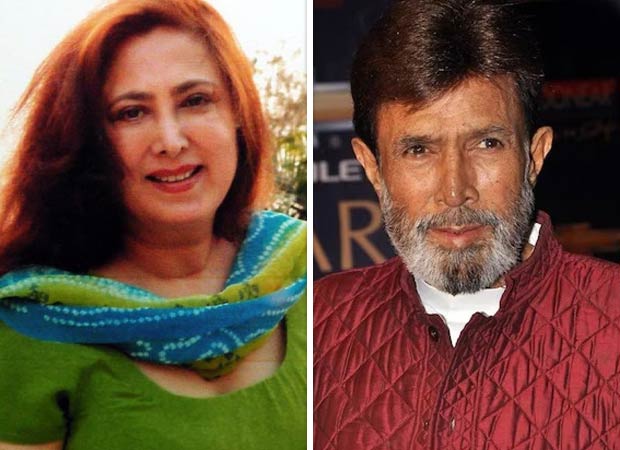
Following Khanna’s death in 2012, questions about his personal life gained renewed attention. Anita Advani, a close confidante and actress in her own right, claimed to have shared a significant relationship with Khanna, asserting that their bond was akin to marriage. She sought formal recognition of this relationship through civil legal proceedings, arguing that her association with Khanna warranted the same respect and legal acknowledgment as a marriage, a claim that has sparked intense debate within Bollywood circles and beyond.
The Legal Battle: From Civil Court to High Court
The journey of Advani’s legal claims has been lengthy and complex. In 2017, a Dindoshi civil court dismissed her suit on technical grounds, prompting her to file an appeal before the Bombay High Court. Her plea centered on the assertion that her relationship with Khanna was not just a friendship but a partnership that deserved legal recognition, especially in light of the emotional and personal significance she attributed to their bond.
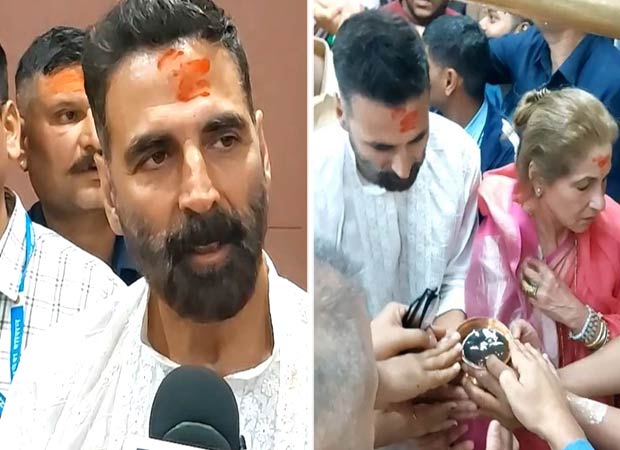
The high-profile nature of this case drew in prominent legal representatives and Bollywood personalities. Advocates representing Dimple Kapadia, Khanna’s wife, as well as actors Akshay Kumar and Twinkle Khanna—who are closely linked to Khanna’s legacy—also appeared in court, emphasizing the case’s importance within the Bollywood community. The legal arguments revolved around whether Advani’s relationship with Khanna qualified as a ‘marriage’ under Indian law, particularly under the Protection of Women from Domestic Violence Act, 2005.
The Court’s Verdict: Dismissal and Its Implications
After hearing extensive submissions from all parties involved, Justice Sharmila Deshmukh delivered the court’s ruling, which was unequivocal: “First appeal is dismissed.” The detailed judgment, which is still awaited, is expected to shed light on the legal reasoning behind the decision and clarify the boundaries of personal relationship recognition under Indian law.
The court’s decision underscores a critical legal point: while personal relationships hold emotional significance, their recognition as legally binding marriages requires adherence to specific statutory criteria. The court’s stance aligns with earlier judgments, including those in Advani’s criminal complaint case, where her claims of a marital relationship with Khanna were challenged.
Additional Legal and Personal Disputes
This case is not isolated; it forms part of a broader web of legal disputes that have marked Khanna’s posthumous legacy. Advani had previously claimed that she was wrongfully evicted from Khanna’s bungalow, Aashirwad, after his demise—a move that sparked further controversy and legal action. These claims reflect the emotional and legal complexities surrounding the estate and personal life of one of Bollywood’s most revered icons.
In a separate development, Advani filed a criminal complaint accusing Dimple Kapadia, Akshay Kumar, and Twinkle Khanna of domestic violence. However, in 2015, the Bombay High Court quashed these proceedings, citing insufficient grounds and reaffirming the difficulty of establishing such claims without concrete evidence. The court’s decision reaffirmed the legal boundaries between personal disputes and criminal allegations, emphasizing the importance of adhering to procedural norms.
Bollywood’s Legends and the Ongoing Legacy of Rajesh Khanna
The legal battles surrounding Rajesh Khanna’s personal life continue to evoke strong emotions within the Bollywood fraternity. Khanna’s contribution to Indian cinema remains unparalleled, and his influence persists in contemporary Bollywood, with many actors citing him as an inspiration. However, the unresolved questions about his personal relationships and the legal recognition—or lack thereof—highlight the persistent challenges faced by celebrities in navigating privacy, legacy, and legal rights.
Bollywood’s history is replete with stories of love, loss, and legal disputes, and Khanna’s case is a poignant reminder of how personal lives of stars often become public spectacles. The recent court ruling is expected to prompt further discussions about the legal rights of individuals claiming relationships with celebrities, especially when such relationships are not formally recognized by law.
What’s Next? Awaiting the Detailed Judgment
As the Bollywood community and legal observers await the release of the detailed judgment, speculation continues about the potential implications of the court’s findings. Experts suggest that this case could set important precedents regarding the recognition of non-traditional relationships under Indian law, especially in the context of celebrity figures whose personal lives are often scrutinized.
Moreover, the case has reignited debates about the need for legal reforms that acknowledge diverse relationship models beyond conventional marriage, reflecting changing societal norms and the evolving landscape of personal rights in India.
Conclusion: A Landmark in Bollywood’s Legal and Cultural Landscape
The Bombay High Court’s dismissal of Anita Advani’s appeal marks a significant moment in Bollywood’s legal history, emphasizing the importance of clear legal criteria for relationship recognition. While the court’s decision underscores the challenges faced by individuals seeking acknowledgment of personal relationships, it also highlights the ongoing need for nuanced legal frameworks that can accommodate diverse personal bonds.
As Bollywood continues to evolve, stories like these serve as a reminder of the complex interplay between love, legacy, law, and public perception. The legacy of Rajesh Khanna, intertwined with these legal battles, not only reflects his monumental contribution to Indian cinema but also underscores the importance of safeguarding personal rights amid the glare of fame.
Further Reading
Stay tuned for more updates on this developing story and its implications for Bollywood’s legacy and the evolving landscape of personal rights in India.