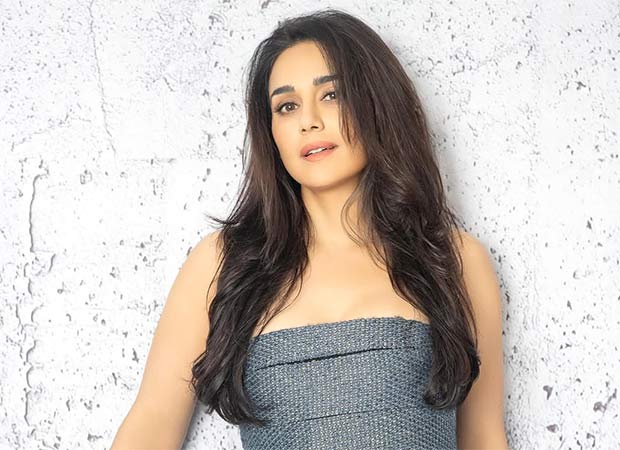
Bollywood Star Preity Zinta Secures Interim Relief in Landmark AI Deepfake Case at Bombay High Court
The Bollywood industry, known for its glamour and star power, is increasingly grappling with the darker side of digital technology. In a groundbreaking legal development, renowned actress Preity Zinta has recently achieved a significant victory in her ongoing battle against the malicious use of artificial intelligence (AI) to create deepfakes, morphed images, and fake videos that misuse her likeness online. The Bombay High Court’s interim ruling not only highlights the rising concerns over AI-generated content but also emphasizes the urgent need for social media platforms and online intermediaries to uphold their responsibilities under current laws and regulations.
Context and Significance of the Case
Preity Zinta, a celebrated face of Bollywood, has been a prominent figure in the Indian film industry for over two decades. With a career spanning more than 40 films, she has cultivated a dedicated fan base and a distinctive public persona. However, her reputation and personal rights face unprecedented threats from the proliferation of AI-generated content designed to tarnish her image or spread false information.

The case came to the fore when Zinta herself approached the Bombay High Court, seeking urgent legal intervention to prevent the misuse of her identity. Her petition detailed how her images, videos, and personal likeness had been morphed or superimposed onto inappropriate and fabricated content, including fake videos and images circulating widely across digital platforms such as YouTube and social media. Such content not only infringes on her privacy but also damages her personal and professional reputation—an issue that resonates deeply within the Bollywood community and beyond.
The Court’s Ruling and Immediate Relief
The Bombay High Court’s hearing, held recently, was a pivotal moment in addressing the challenges posed by AI-driven content misuse. Justice Madhav Jamdar, presiding over the case, expressed serious concern over the increasing prevalence of deepfakes and AI-morphed videos targeting celebrities, including Bollywood stars like Zinta. He underscored the responsibility of online platforms to act decisively against such violations.
In his remarks, the judge emphasized that social media giants and intermediaries—such as Meta (formerly Facebook) and Google—must take proactive steps to prevent their platforms from becoming tools for defamation or identity misuse. Addressing Meta’s counsel directly, Justice Jamdar stated, “You must be more concerned that your platform is being misused. If you start taking action, such offenders will cease their activities. This will also enhance your reputation and credibility.” He further stressed that failure to curb such content could infringe upon fundamental rights guaranteed under the Indian Constitution, including the right to live with dignity.
Responding to the court’s observations, Meta’s legal representatives assured that the company had been making efforts to remove such illicit content wherever possible. However, they also sought the liberty to raise objections in future cases involving genuine or lawful content, indicating the complexities involved in moderating vast amounts of user-generated material.
Details of the Case and Legal Arguments
Senior advocate Venkatesh Dhond, representing Preity Zinta, presented compelling evidence during the hearing. He revealed that nearly 275 links on YouTube contained AI-generated, morphed, or superimposed videos and images that exploited Zinta’s likeness without her consent. These videos, he argued, directly infringe upon her personality rights, publicity rights, and moral rights—legal protections that safeguard an individual’s image, name, and reputation from unauthorized use.
The submissions highlighted how these AI-created images distort her identity, often portraying her in inappropriate or false scenarios, thereby causing irreparable harm to her personal dignity. The court was informed that such content is not merely an invasion of privacy but also a violation of her fundamental rights under Articles 19 and 21 of the Indian Constitution, which guarantee freedom of speech and expression, as well as the right to life and personal liberty—both of which include the right to live with dignity.
Impact on Bollywood and Celebrity Rights in the Digital Age
This case underscores a broader challenge faced by Bollywood and the entire entertainment industry in the digital era. As celebrities become more accessible and social media becomes their primary platform for engagement, they are increasingly vulnerable to misuse of their images. Deepfake technology, powered by AI, has made it easier than ever to generate realistic yet entirely fabricated videos, often with malicious intent.
For Bollywood actors like Preity Zinta, this raises critical questions about digital rights, the regulation of AI-generated content, and the responsibilities of online platforms. While social media has democratized content sharing and allowed celebrities to connect directly with fans, it also opens the floodgates for misuse, cyberbullying, and defamation.
The legal proceedings and the court’s interim relief serve as a wake-up call for the industry and policymakers. They highlight the urgent need for comprehensive regulations and technological safeguards to prevent the malicious exploitation of personalities in Bollywood and beyond.
Platform Responsibilities and Future Directions
The court’s directives placed a spotlight on the role of social media companies in safeguarding users’ rights. Meta and Google, two of the largest digital platforms, committed to removing the offending links identified in the lawsuit, emphasizing their ongoing efforts to combat AI misuse. However, they also requested the flexibility to object to future complaints that might involve lawful content or genuine photographs, acknowledging the challenge of balancing content moderation with freedom of expression.
The court agreed to this approach, stating that if either platform encounters content that they believe is lawful or genuine, they could approach the court for further instructions. This balanced approach aims to prevent misuse while respecting legitimate content, setting a precedent for how digital platforms should handle celebrity rights in the age of AI.
Broader Implications for Digital Rights and Bollywood’s Future
This legal milestone marks a significant step in the fight against AI-driven content violations, especially within Bollywood, where star images are valuable assets. It also signals a need for industry-wide awareness and proactive measures to protect celebrities and their intellectual property rights in the rapidly evolving digital landscape.
Moreover, the case highlights the importance of technological solutions such as AI-based content monitoring, digital watermarks, and automated takedown systems to combat deepfakes and morphed images effectively. Policymakers are also encouraged to consider new legislation specifically addressing AI-generated content, ensuring that rights are protected without infringing on free speech.
Conclusion: A New Dawn for Digital Rights in Bollywood
The Bombay High Court’s interim relief to Preity Zinta is more than just a legal win for a Bollywood star; it is a clarion call for the entire industry to acknowledge and address the challenges posed by AI and deepfake technology. As Bollywood continues to thrive in the digital age, safeguarding the rights of its stars and maintaining the integrity of their images will require a collaborative effort between legal authorities, social media platforms, and industry stakeholders.
In an era where technology can both empower and threaten, proactive legal frameworks and technological safeguards are essential to ensure that the glamour of Bollywood remains protected from malicious misuse, upholding the dignity and rights of its stars for years to come.
Stay tuned for updates on this landmark case and ongoing efforts to regulate AI-generated content in Bollywood and beyond.