Bombay High Court Bans Media and Online Platforms from Labeling Aashirwad as “Haunted” or “Cursed” — A Landmark Case in Bollywood Property Rights
The Bombay High Court has recently taken a significant stance in protecting individual dignity and property reputation by issuing an interim order that restrains media organizations and online platforms from referring to Aashirwad, the legendary bungalow associated with Bollywood icon Rajesh Khanna, as “haunted,” “cursed,” or “unlucky.” This legal development underscores the delicate intersection of celebrity heritage, property rights, and responsible journalism in the digital age.
The Genesis of the Case: Protecting Personal and Property Rights
The case emerged when businessman Shashi Shetty, the current owner of the property where Aashirwad once stood, approached the court to challenge the defamatory narratives circulating publicly. Although the original bungalow was demolished nearly ten years ago, Shetty chose to retain the historic name, reconstructing a modern four-storey residence on the same plot. His primary concern was the persistent labeling of the property as “haunted” or “cursed,” which he argued was damaging his reputation and infringing upon his right to live peacefully and with dignity.

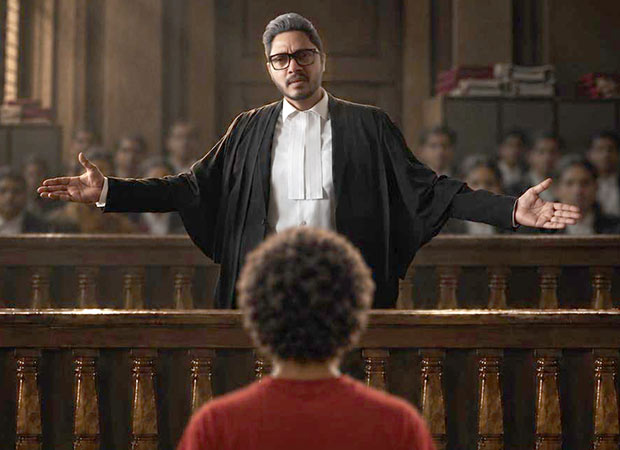
On July 24, the Bench, presided over by Justice Arif S Doctor, granted an ad interim (temporary) order, emphasizing that the allegations circulated through various media outlets and social media platforms were, at first glance, defamatory. The court recognized that such accusations could have serious implications, not only undermining the reputation of the property but also impacting the current owner’s peace of mind and social standing.
The Court’s Perspective: Defamation, Dignity, and the Right to Privacy
Senior advocate Birendra Saraf, representing Shetty, highlighted that despite the original bungalow’s demolition, the new residence continues to be associated with negative superstitions. An online article titled “19 Real Haunted Houses in India That Will Give You a Cold Sweat”, published by India.com, explicitly included Aashirwad in its list of haunted properties, further fueling the myths. Such publications, the advocate argued, not only perpetuate falsehoods but also tarnish the owner’s reputation.
The court observed that the circulation of such sensationalist material without any defense or clarification from the respondents was wrongful. Justice Doctor noted that the publication of these claims, especially when unfounded, could interfere with the owner’s fundamental rights under the Indian Constitution, particularly the right to live with dignity and peace. The court emphasized that the defamatory allegations were, at first glance, unjustified and harmful, warranting immediate judicial intervention.
“The material published appears to be aimed at sensationalism at the expense of the plaintiff, without any factual basis or defense,” the order stated. The court, therefore, deemed it appropriate to impose restrictions on further dissemination of such claims until the matter is thoroughly examined during the next hearing scheduled for August 21, 2026.
Ashirwad: The Iconic Bollywood Heritage and Its Historical Significance
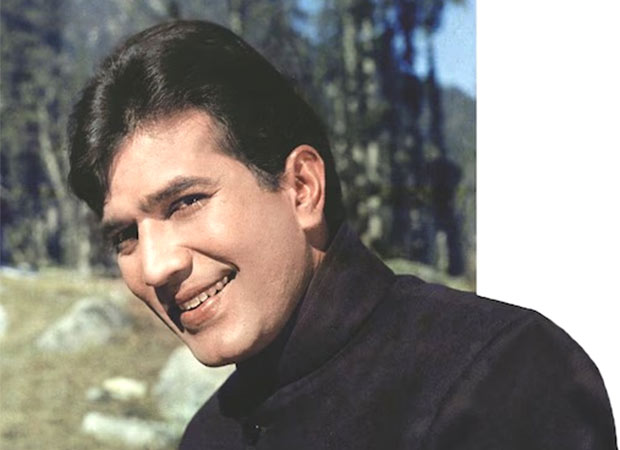
Aashirwad holds a special place in Bollywood history, being closely linked with the legendary actor Rajesh Khanna, often hailed as the first superstar of Hindi cinema. The property’s historical significance extends beyond its association with Khanna; it is also intertwined with another Bollywood luminary, Rajendra Kumar, who purchased the bungalow in the late 1950s for Rs 65,000. Kumar, known as “Jubilee Kumar” for his series of hit films, made the property a symbol of his success.
When Rajesh Khanna acquired Aashirwad from Kumar for Rs 3.5 lakh, it became a cultural landmark—a residence that symbolized the golden era of Bollywood’s 1960s and 1970s. The bungalow served as a hub of cinematic activity, hosting numerous stars, film shoots, and legendary parties. Its association with Bollywood’s most celebrated personalities has cemented its status as a heritage site in Indian cinematic history.
From Heritage to Modernity: The Evolution of Aashirwad
Although the original structure was demolished, the legacy of Aashirwad endures. Shetty’s decision to retain the name and build a contemporary residence reflects a broader trend in Bollywood where properties linked to stars are preserved or reconstructed to honor their memory. This practice not only maintains the cultural significance but also raises questions about the boundaries between celebrity heritage and commercial property development.
The legal tussle over the “haunted” label underscores how myths and superstitions can impact property perception, especially in the context of Bollywood where superstition often intertwines with superstardom. The court’s intervention aims to dispel false narratives that could tarnish the legacy of the property and its association with one of Bollywood’s most beloved actors.
Implications for Media Responsibility and Celebrity Heritage Preservation
This case sets an important precedent regarding responsible journalism, especially in the age of social media where misinformation spreads rapidly. Media outlets and online platforms are now under scrutiny for their role in propagating sensationalist stories without verification. The court’s order emphasizes the need for media houses to maintain ethical standards and respect individual rights, even when dealing with topics related to celebrity heritage.
Furthermore, the ruling highlights the evolving landscape of property rights in Bollywood, where the legacy of cinematic icons continues to influence real estate disputes. As Bollywood remains a cultural powerhouse, protecting the dignity of properties associated with its legends is vital for preserving the industry’s rich history while respecting contemporary ownership rights.
Looking Ahead: The Next Hearing and Broader Context
The Bombay High Court has scheduled the next hearing for August 21, 2026, providing an ample window for further deliberations on the matter. During this period, the court may examine additional evidence, hear arguments from all parties, and consider broader issues related to defamation, media responsibility, and heritage protection.
This case also prompts reflection on how Bollywood’s cultural landmarks are perceived and preserved in modern times. It raises pertinent questions about the responsibilities of media outlets in portraying properties and personalities associated with the industry, ensuring that narratives remain respectful, factual, and dignified.
Conclusion: A Landmark Decision in Bollywood and Property Law
The Bombay High Court’s interim order marks a significant step in safeguarding individual rights against defamatory and sensationalist portrayals, especially concerning properties with deep roots in Bollywood history. As the legal process unfolds, it will be interesting to see how the balance between preserving Bollywood’s heritage and respecting property rights evolves in the digital age.
For fans and historians alike, Aashirwad remains a symbol of Bollywood’s golden era—a testament to the legacy of Rajesh Khanna and the glamour of Hindi cinema. The court’s decision aims to protect this legacy from unwarranted myths and misinformation, ensuring that the cultural significance of such properties is preserved with dignity and respect.