IMAX Triumphs in Decades-Long Legal Battle Against E-City Entertainment: A Landmark Victory for Bollywood and International Arbitration
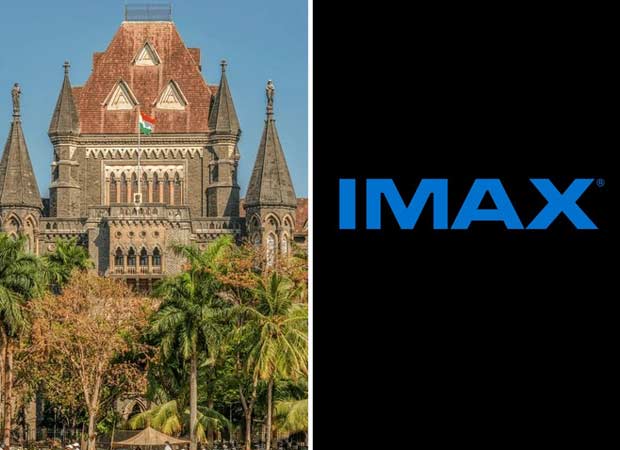
In a significant legal milestone that underscores the power of international arbitration and enforcement mechanisms, IMAX Corporation has secured a decisive victory in the Bombay High Court after nearly 18 years of protracted litigation. This high-profile case, rooted in a contractual dispute with E-City Entertainment, has not only reaffirmed the enforceability of foreign arbitration awards in India but also sent a strong message to corporate giants and entertainment conglomerates operating within the Bollywood and broader Indian entertainment industry.
The Background: A Dispute Rooted in Bollywood’s Cinematic Expansion
The controversy began with a contract signed in September 2000, when E-City Entertainment, a prominent player in India’s cinema exhibition sector and an affiliate of the renowned Essel Group led by Subhash Chandra, agreed to lease six state-of-the-art IMAX systems from IMAX Corporation. This deal was part of a broader vision to elevate the Indian cinematic experience, aligning with Bollywood’s global ambitions and the increasing demand for premium entertainment formats.

E-City, which operated popular cinema brands like Fun Cinemas and Fun Republic, committed to opening at least six IMAX theatres across India. However, the company later reneged on this agreement, leading IMAX to initiate arbitration proceedings. The dispute quickly escalated, with IMAX seeking enforcement of arbitration awards issued in its favor between 2006 and 2008—awards that recognized E-City’s breach of contract and awarded damages.
The Arbitration and Legal Proceedings: A Long Road to Justice
The arbitration process was initiated in accordance with international standards, and the awards granted to IMAX were a testament to the strength of its claims. Yet, E-City’s persistent legal maneuvers aimed to delay or prevent the enforcement of these awards, citing various pleas and procedural arguments. This tactic, common in complex commercial disputes within the Bollywood and entertainment sectors, often leads to prolonged legal battles that can span decades.
Despite these delays, IMAX remained steadfast. The case eventually reached the Bombay High Court, which has historically been a pivotal forum for resolving high-stakes commercial disputes involving foreign companies operating in India. The court’s recent ruling marks a significant turning point, emphasizing that foreign arbitration awards in India are to be recognized and enforced unless compelling public policy reasons advise otherwise.
The Court’s Landmark Ruling: Justice for International Arbitration in India
On December 30, 2025, the Bombay High Court delivered a comprehensive verdict in favor of IMAX, affirming that the arbitration awards issued in its favor are now to be treated as decrees of the court and are fully enforceable. The court explicitly stated that E-City’s efforts to avoid compliance by raising procedural pleas or raising speculative defenses are contrary to Indian public policy and the principles of international commercial arbitration.
The court observed that “E-City has managed to keep IMAX at bay for over two decades,” and highlighted that the delay tactics were unjustified, especially given the clear legal backing of the arbitration awards. Recognizing the importance of timely enforcement, the court imposed a monetary penalty of Rs. 5 lakhs on E-City, payable within four weeks, to compensate for the prolonged and uncertain litigation process.
This decision underscores a broader shift in India’s legal landscape, reinforcing that foreign arbitration awards—particularly those related to international contracts—will not be dismissed lightly. The ruling aligns with India’s commitment to improving its reputation as an investment-friendly jurisdiction and a reliable forum for dispute resolution, particularly in the dynamic and competitive Bollywood and entertainment industries.
Implications for Bollywood and the Global Entertainment Industry
The implications of this ruling extend beyond the specific case of IMAX and E-City. For Bollywood, the ruling serves as a crucial reminder that international agreements and arbitration awards are backed by legal enforceability, fostering greater confidence for foreign investors and entertainment companies looking to expand within India.
In an industry where intellectual property rights, licensing agreements, and international partnerships are commonplace, the ability to enforce arbitration awards is vital for protecting investments and ensuring contractual compliance. This case sets a precedent that even long-standing disputes can be resolved in favor of fairness and legal integrity, encouraging more foreign players to participate actively in the Bollywood ecosystem.
Furthermore, the ruling highlights India’s evolving legal framework that increasingly supports international arbitration. This positive development is crucial for Bollywood’s global aspirations, as it reassures international stakeholders that their rights and investments will be protected under Indian jurisdiction, fostering a more attractive environment for co-productions, distribution agreements, and technological collaborations.
The Next Steps: Enforcement and Moving Forward
The court has scheduled a follow-up hearing on January 19, 2026, at 11:00 am, to facilitate the execution of the judgment. This will involve actual enforcement of the arbitration awards, ensuring that IMAX can realize the damages awarded and secure the benefits owed to it. The swift progression of these proceedings will be watched closely by industry insiders, legal experts, and international investors alike.
This victory not only bolsters IMAX’s standing but also reinforces the importance of robust legal strategies in international commercial disputes. For Bollywood production houses and entertainment conglomerates, it serves as a reminder that perseverance and adherence to legal processes can yield justice, even after decades of litigation.
Conclusion: A Win for International Dispute Resolution and Bollywood’s Global Presence
IMAX Corporation’s successful enforcement of its arbitration awards against E-City Entertainment marks a significant milestone in India’s evolving stance on international arbitration. It highlights the country’s commitment to upholding the rule of law and ensuring that foreign awards are respected and enforced—a crucial factor for Bollywood’s ongoing global expansion.
As Bollywood continues to carve out its space on the world stage, legal victories like this serve to bolster confidence among international investors, filmmakers, and entertainment companies. They demonstrate that India is increasingly becoming a jurisdiction where justice prevails, and contractual disputes—no matter how long-standing—can be resolved effectively.
Ultimately, this case exemplifies how legal perseverance, combined with favorable judicial interpretation, can help safeguard the interests of international entertainment players and contribute to Bollywood’s dynamic growth, ensuring the industry remains vibrant, competitive, and globally integrated.