Bollywood in the Spotlight: Court Urges Calm Amidst High-Profile Dispute Over Dhurandhar 2 – The Revenge
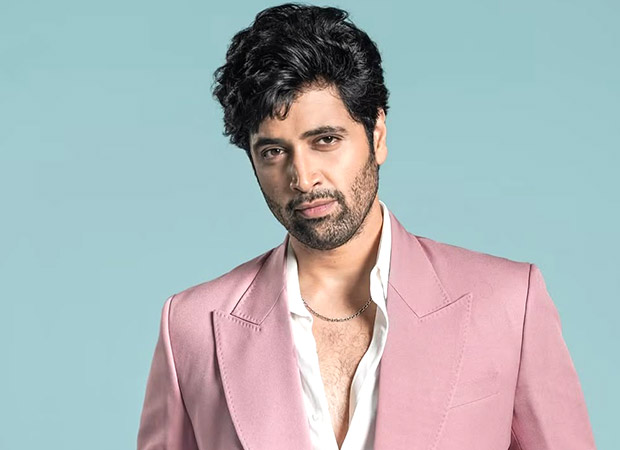
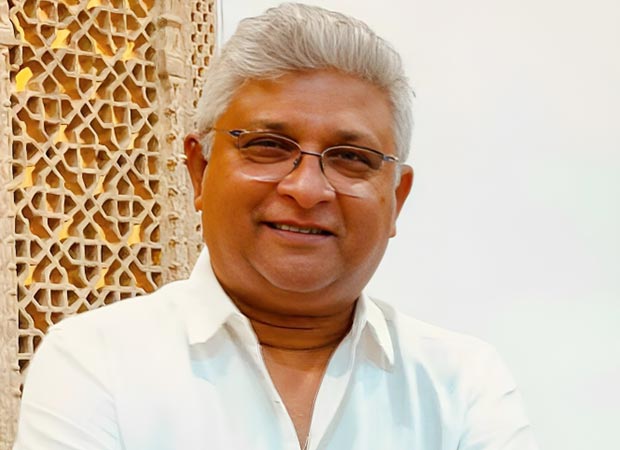
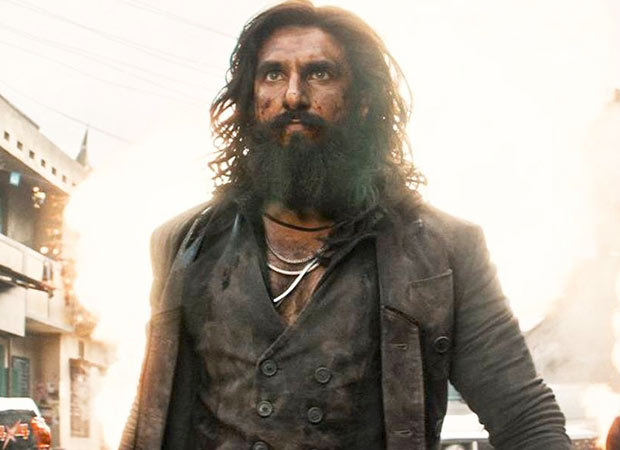
The vibrant world of Bollywood, renowned for its glitz and glamour, often finds itself embroiled in controversies that capture public attention. One such recent episode involves a legal clash between acclaimed filmmaker and writer-director Aditya Dhar and lesser-known writer Santosh Kumar over allegations of plagiarism concerning the highly anticipated sequel Dhurandhar 2 – The Revenge. The Bombay High Court, on Thursday, emphasized the importance of resolving such disputes amicably, signaling a cautious approach to prevent unnecessary escalation of defamation claims within the entertainment industry.

Background of the Dispute: Allegations of Plagiarism in Bollywood Sequel
The controversy began when Santosh Kumar publicly alleged that the script of Dhurandhar 2 – The Revenge was essentially a copy of his earlier work, raising eyebrows across the Bollywood community and beyond. Kumar’s claims, made through media channels, suggested that Dhar’s sequel had borrowed heavily from his intellectual property, thus constituting plagiarism. These allegations swiftly garnered attention given Dhar’s reputation as a prominent figure in Bollywood, known for his meticulous storytelling and innovative filmmaking.
In response, Aditya Dhar vehemently denied the accusations, branding Kumar’s claims as defamatory and baseless. He took the matter to the Bombay High Court, seeking legal relief to address the damage to his reputation and the integrity of his work. The case underscores the delicate balance between protecting creative rights and managing public discourse within the Bollywood industry, which often faces scrutiny over originality and intellectual property rights.
The Court’s Perspective: Emphasizing Amicable Solutions
During the hearing, Justice Arif Doctor of the Bombay High Court made a noteworthy observation: that disputes of this nature, especially those involving allegations of intellectual property theft, are often best resolved without the need for protracted and damaging defamation litigation. The court suggested that both parties should explore avenues for an amicable settlement, emphasizing the importance of dialogue and legal clarity over public spatting.
Justice Doctor specifically noted that while allegations of copying are serious, they should be pursued through structured legal processes rather than through inflammatory public statements. This approach aims to preserve the reputation of all parties involved and prevent the case from turning into a protracted battle that could tarnish their standing in the Bollywood industry.
Legal Remedies and the Role of Structured Litigation
The court reiterated that if Kumar genuinely believes his intellectual property rights have been infringed upon, he is entitled to seek remedies through the civil courts. These remedies include filing a formal complaint of copyright infringement, which allows for a thorough investigation into the matter. However, the court made it clear that such claims should not be aired publicly via media outlets, as this could be considered defamatory and counterproductive.
Addressing the specifics, Kumar’s advocate clarified that their client’s grievance was primarily about asserting his authorship of the story, a common contention in creative disputes. The court acknowledged Kumar’s right to claim authorship but emphasized that such claims must be pursued within the confines of the law, through proper legal channels, rather than through media statements that could escalate tensions.
Legal Proceedings and Court Orders
Earlier, on April 8, the Bombay High Court had already issued an order restraining Santosh Kumar from making any further defamatory statements regarding the script of Dhurandhar 2 – The Revenge. Dhar’s legal team had moved for an injunction and damages after Kumar allegedly failed to respond to a legal notice sent to him, which explicitly rejected the plagiarism accusations and demanded an end to the defamatory remarks.
The court’s intervention serves as a reminder of the importance of resolving intellectual property disputes through formal legal procedures, especially in a dynamic industry like Bollywood where such conflicts can quickly become public controversies, affecting careers and reputations.
Impact on Bollywood and Creative Integrity
This case highlights a broader issue within Bollywood concerning originality and intellectual property rights. The industry, known for its vibrant storytelling, has faced ongoing scrutiny over issues of plagiarism and copying, sometimes leading to legal battles that threaten to overshadow artistic achievements. The court’s emphasis on legal resolution over public disputes underscores the necessity for clearer copyright protections and dispute resolution mechanisms within Bollywood.
Moreover, the case demonstrates the increasing importance of protecting creative rights in Bollywood, where scripts, story ideas, and concepts are valuable commodities. As Bollywood continues to grow as a global entertainment hub, safeguarding intellectual property rights becomes essential to foster innovation and maintain industry integrity.
The Role of Media and Public Discourse in Bollywood Disputes
Public statements and media narratives often complicate legal disputes in Bollywood, sometimes leading to sensationalized conflicts that can damage reputations irreparably. The Bombay High Court’s advice to handle disputes through legal channels rather than media outlets is a significant reminder of the need for discretion and professionalism in resolving industry conflicts.
By encouraging dialogue and structured legal remedies, the court aims to preserve the reputation of all involved and prevent disputes from escalating into public spectacles that can harm careers and undermine trust within the industry.
Looking Ahead: The Future of Creative Disputes in Bollywood
This case serves as a precedent for future intellectual property disputes in Bollywood, emphasizing the importance of adhering to legal procedures and avoiding public confrontations. As the industry continues to evolve, stakeholders are encouraged to strengthen copyright laws and dispute resolution frameworks to better protect creative works and deter frivolous allegations.
For filmmakers and writers in Bollywood, the message is clear: allegations of plagiarism and copyright infringement should be addressed through proper legal channels, ensuring that justice is served without damaging reputations or industry harmony.
Conclusion: A Call for Responsible Dispute Resolution in Bollywood
The Bombay High Court’s recent intervention in the Aditya Dhar-Santosh Kumar case underscores a vital principle: conflicts over intellectual property should be resolved with legal integrity and mutual respect. The court’s urging for an amicable settlement reflects a broader desire to maintain Bollywood’s creative vibrancy while respecting the rights of creators.
As Bollywood continues to enchant audiences worldwide with its stories and performances, safeguarding the industry’s integrity through responsible dispute resolution remains crucial. This case may well serve as a turning point, encouraging more transparent and lawful practices in handling creative disagreements, ultimately fostering a healthier, more innovative Bollywood ecosystem.