‘Mohra’ Returns to Theatres in 4K This Diwali Week, Setting Up a Clash With ‘Ramayana’
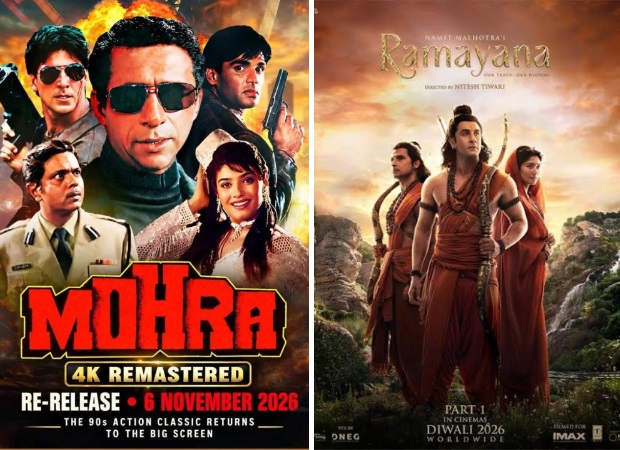
The Bollywood re-release trend has delivered some remarkable second acts in recent years, bringing much-loved films back to the big screen for longtime fans and a new generation of moviegoers. Now, the 1994 action hit Mohra is preparing for a return to cinemas, offering audiences a chance to revisit its star-studded cast, high-energy action and enduring soundtrack in a newly remastered 4K version.
Produced by Trimurti Films Pvt Ltd, Mohra is scheduled to re-release on November 6, during Diwali week. The date places the film in direct competition with the highly anticipated Ramayana, featuring Ranbir Kapoor, Yash and Sai Pallavi. The contrasting releases could make for an intriguing box-office contest: one title brings back a familiar 1990s crowd-pleaser, while the other is among the season’s biggest new attractions.

A new life for a 1990s blockbuster
Trimurti Films confirmed the re-release by sharing a video on its YouTube channel. The film will be distributed for its return by Deepinder Singh’s Rimpy Films International, which has been promoting the project through updates on social media. The 4K remaster is designed to refresh the film’s presentation for modern cinema screens, while preserving the elements that made it a major hit when it first arrived in theatres.
Originally released on July 1, 1994, Mohra brought together an expansive ensemble cast, including Naseeruddin Shah, Akshay Kumar, Suniel Shetty, Raveena Tandon, Paresh Rawal, Gulshan Grover, Raza Murad, Sadashiv Amrapurkar and Poonam Jhawer. Its blend of action, drama, memorable characters and popular music helped it connect with a broad audience and establish a lasting place in Hindi commercial cinema.
For viewers who first watched the film decades ago, the return offers a nostalgic trip back to the era of larger-than-life villains, dramatic confrontations and elaborate musical sequences. For younger audiences, it is an opportunity to experience a landmark Bollywood entertainer on the scale it was made for: the big screen.
Iconic songs are part of the big-screen appeal
Music remains one of Mohra’s most recognisable strengths. Viju Shah’s soundtrack produced songs that have continued to circulate well beyond the film’s original theatrical run. Among the best-known are “Tu Cheez Badi Hai Mast Mast” and “Tip Tip Barsa Paani,” both of which became enduring favourites with audiences.
The 4K theatrical presentation may give fans a fresh way to enjoy these sequences, with the scale, sound and shared atmosphere of a cinema audience adding to the experience. Re-releases often draw viewers as much for this collective nostalgia as for the film itself: familiar songs and scenes can feel different when experienced again on a large screen rather than at home.
Re-release success has raised expectations
The renewed interest in older films follows a strong run for theatrical re-releases. In 2024, titles such as Rockstar (2011), Laila Majnu (2018) and Tumbbad (2018) found fresh audiences and generated significant business in their second runs. Their performance showed that a film’s theatrical life does not always end after its original release, particularly when it has a devoted fan base or has gained popularity over time.
That momentum continued in 2025 when Sanam Teri Kasam (2016) returned to cinemas and collected more than Rs. 40 crore, setting a new benchmark for re-release success. The trend has since appeared less consistent, although Avengers Endgame: Encore put up impressive numbers last month. Mohra now joins a growing list of films testing whether nostalgia, renewed presentation and audience demand can translate into another successful theatrical run.
Agra theatre makes a bold programming choice
One confirmed venue for the re-release is Heera Talkies, a single-screen cinema in Agra, Uttar Pradesh. Rimpy Films International has indicated that the theatre plans to screen Mohra across all four daily shows. That decision means the venue will not screen Ramayana, despite the scale of anticipation surrounding the new film.
The choice highlights how local exhibitors may approach a high-profile release clash differently from multiplexes, where several titles can share screens and showtimes. A single-screen theatre has fewer programming options, so dedicating every show to one film is a significant commitment. The decision may reflect confidence in the appeal of Mohra among local audiences, as well as the value of offering a familiar title during a busy festive period.
Rimpy Films International has also shared plans to bring back other films associated with Trimurti, including Vidhaata (1982), Tridev (1989), Yudh (1985) and Gupt (1994). If these plans move forward, they could give audiences a broader opportunity to revisit films from different phases of Hindi cinema and help theatres build programming around classic titles.
Will nostalgia be enough to stand out?
The November 6 release date gives Mohra a clear challenge. Ramayana is expected to attract substantial attention because of its scale, star cast and subject matter, and its arrival could limit the screens and showtimes available to a returning 1994 film. At the same time, the two releases may appeal to different viewing priorities: audiences looking for a new spectacle may choose Ramayana, while fans of classic Bollywood action may be drawn to Mohra.
Ultimately, the re-release’s performance will depend on more than its reputation. The quality of the remaster, local scheduling, audience awareness and competition for screens will all shape its second run. Still, the film’s recognisable songs, ensemble cast and enduring status give it a strong foundation for attracting both nostalgic moviegoers and curious first-time viewers.
Rimpy Films International has also re-released Rajiv Rai’s latest directorial, Zora (2025), this week, with the film playing at Agra’s Heera Talkies as well. That makes the theatre a notable venue for the distributor’s current slate. As Mohra prepares to return in 4K, the key question is whether its celebrated music and old-school theatrical energy can win audiences over once again—this time in the crowded Diwali box-office season.