Bollywood Meets South Indian Cinema: The Censorship Journey of Thalapathy Vijay’s Jana Nayagan
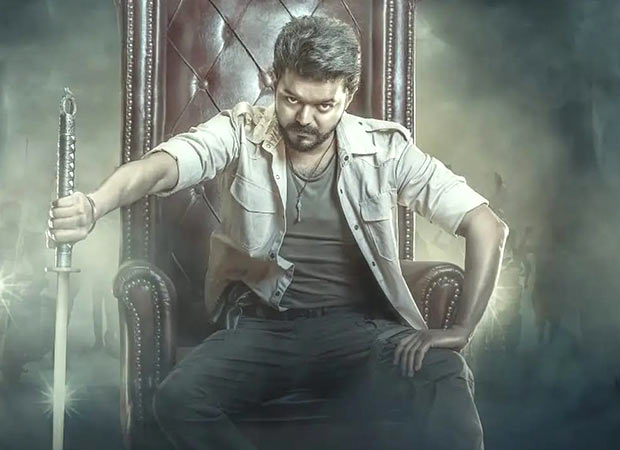
The world of Indian cinema has always been a vibrant tapestry woven with diverse narratives, cultural reflections, and cinematic innovations. Recently, the spotlight has been on the highly anticipated film Jana Nayagan, starring the legendary Thalapathy Vijay, which has captivated audiences across Tamil Nadu and beyond. However, the journey from production to public release has been anything but smooth, especially considering the intense scrutiny by the Central Board of Film Certification (CBFC). After a prolonged seven-month battle, the film finally received certification, but not without significant edits and censorship.

The Long Road to Certification: A Battle of Art and Censorship
In the world of Bollywood and regional cinema, censorship issues often spark widespread debates about artistic freedom, political sensitivities, and cultural values. Jana Nayagan, an action-packed entertainer, became a focal point of this ongoing discourse due to the various cuts mandated by the CBFC. Fans and critics closely followed the saga, eager to see how the film’s bold themes and provocative visuals would be altered before its official release.
Key Censorship Edits: What Was Changed?
The censorship process involved a series of specific edits aimed at aligning the film with regulatory standards, while also sparking conversations about creative expression. Here are some of the notable modifications made to Jana Nayagan:
Visual Modifications and Content Removal
One of the initial concerns raised by the CBFC was the depiction of Dr. B R Ambedkar, a revered figure in Indian history. The visuals featuring Ambedkar on the cover page of a book were requested to be modified. Interestingly, the duration of the scene remained unchanged, indicating a focus on visual presentation rather than narrative length. Additionally, scenes depicting the Indian flag falling onto the ground were ordered to be deleted, reflecting sensitivities around national symbols.
Further visual edits included the removal or alteration of images and symbols that might be deemed disrespectful or provocative. For instance, a shot showing the official badge of the Delhi Police rolling down disrespectfully was replaced, and certain scenes showing a child burning were excised in two places to avoid distressing imagery.
Dialogue and Word Modifications
The censorship also targeted specific dialogues and words, especially those that could be interpreted as provocative or offensive. Notable examples include:
- The line ‘Ambedkar sattam…TVK sattam’ was ordered to be replaced, with the words ‘TVK’ (Tamilaga Vettri Kazhagam, Vijay’s political party) being muted or modified in all instances.
- References to religious terms such as ‘Bhagavatham’, ‘Ranganathar’, and the utterance of ‘Om’ were muted or removed altogether.
- The phrase ‘New India’ spoken during a scene about Operation Meluha was also muted, reflecting sensitivities around nationalistic narratives.
- A dialogue commenting on social media was censored, indicating the film’s engagement with contemporary digital culture.
- Inappropriate language, such as the word ‘Siluvalia’, was muted, while the character name ‘Sheela Rani’ was replaced when uttered.
Disrespect and Controversial Content
The CBFC’s review also targeted scenes perceived as disrespectful or controversial. For example, the visual of the Delhi Police badge rolling down disrespectfully was removed, alongside dialogues that portrayed women disrespectfully. These edits highlight the ongoing tension in Indian cinema between provocative storytelling and societal sensitivities.
Overall Impact and Certification Details
In total, approximately 20 seconds of footage was censored to meet certification standards. Once these modifications were implemented, Jana Nayagan was officially granted an ‘A’ certificate on July 9, 2023. The duration of the film, as listed in the censor certificate, is 183 minutes and 21 seconds, making it a substantial three-hour cinematic experience.
What Does This Mean for Bollywood and Regional Cinema?
The censorship saga of Jana Nayagan underscores a broader trend within Bollywood and South Indian cinema, where artistic expression often faces regulatory hurdles. While the CBFC aims to uphold values and maintain national integrity, critics argue that excessive censorship can hinder creative storytelling and dilute the intended message of films. The case of Vijay’s film is a testament to the evolving dialogue around artistic freedom, political sensitivities, and cultural representation in Indian cinema.
The Future of Censorship in Indian Cinema
As Indian filmmakers continue to push boundaries, the debate over censorship is becoming increasingly relevant. Films that challenge societal norms or critique political establishments often face scrutiny, leading to edits or bans. The Bollywood industry, with its global reach and influence, is at the forefront of this conversation, balancing artistic innovation with regulatory compliance.
Moreover, with the rise of digital platforms and streaming services, the landscape of film censorship is shifting. Filmmakers now have alternative avenues to showcase their work, sometimes circumventing traditional censorship routes. However, the core issue remains: how to preserve artistic integrity while respecting societal sensitivities.
Final Thoughts: A Landmark Moment for Tamil and Indian Cinema
The censorship process for Jana Nayagan highlights the ongoing challenges faced by Bollywood and regional filmmakers in India. Despite the hurdles, Vijay’s film has managed to reach audiences with its core message intact, thanks to the necessary edits. The film’s journey from production to release exemplifies the complex interplay between art, politics, and societal values in contemporary Indian cinema.
As the industry moves forward, conversations surrounding censorship, freedom of expression, and cultural representation will undoubtedly continue. For now, fans of Vijay and Indian cinema can look forward to experiencing Jana Nayagan on the big screen, appreciating its bold storytelling within the boundaries set by regulatory bodies.
Stay Tuned
For more updates on Bollywood, regional cinema, and the evolving landscape of Indian film censorship, stay connected. The dynamic world of Indian cinema continues to surprise, challenge, and inspire audiences worldwide.