
Soham Rockstar Entertainment Assertes Exclusive Rights Over Classic Bollywood Film “Do Aur Do Paanch” in Bold Legal Move
In a significant development within the realm of Indian cinema and Bollywood intellectual property rights, Soham Rockstar Entertainment has officially announced its claim over the iconic 1980 Hindi film “Do Aur Do Paanch”. Through a comprehensive public notice issued on February 14, 2026, the production house has made it clear that it intends to safeguard its rights against unauthorized use and reproduction of this beloved classic. This move underscores the increasing emphasis on protecting cinematic properties in Bollywood and highlights the evolving landscape of film rights management in India.
Details of the Rights Claim and Its Implications
The official notice, published prominently in Atul Mohan’s Complete Cinema magazine—one of India’s leading trade publications—addresses “the general public at large,” signaling a broad warning to all stakeholders involved in the film industry and digital platforms. Soham Rockstar Entertainment proclaims itself as the “sole and exclusive negative copyright holder” of “Do Aur Do Paanch”, asserting comprehensive ownership over all associated rights and intellectual property (IP) connected to the film.

What makes this declaration particularly noteworthy is the scope of rights covered. The company claims not only the basic copyright over the original film but also extends its rights to derivative works. This includes the authority to create prequels, sequels, remakes, and adaptations across all languages—both Indian and foreign markets. Furthermore, Soham Rockstar Entertainment emphasizes its control over related media forms such as comic books, television serials, stage adaptations, and novelizations based on the film’s script and universe.
Comprehensive Rights and Future Protections
Beyond traditional film rights, the notice explicitly encompasses a wide array of ancillary rights. These include:
- Reproduction rights, allowing copying and distribution
- Music and sound recording rights, covering any use of the film’s soundtrack
- Dubbing and localization rights, facilitating adaptations for different languages and regions
- Broadcasting, telecast, and digital streaming rights
- Any future exploitation formats that may develop in the evolving entertainment landscape
This extensive coverage ensures that Soham Rockstar Entertainment maintains control over the film’s entire universe, safeguarding its intellectual property against unauthorized reproduction, digitization, or exploitation. The company’s stance is a clear message that any unpermitted use—be it copying scenes, distributing copies, broadcasting, or creating derivative content—will be deemed copyright infringement and subject to legal action.
Legal Warning and Enforcement Measures
The notice serves as a stern warning to individuals, digital platforms, broadcasters, distributors, and exhibitors. It explicitly states that any form of unauthorized use—such as streaming the film without permission, creating derivative works, or using clips for commercial purposes—will invite civil or criminal proceedings. This move aligns with India’s robust copyright laws, which aim to protect creative works and ensure rightful owners benefit from their intellectual property.
Soham Rockstar Entertainment’s proactive approach underscores a broader trend within Bollywood—where rights holders are increasingly vigilant and assertive in defending their properties in digital and traditional media. As Bollywood continues to grow globally, protecting classic films and preventing piracy has become a crucial focus for production companies and rights holders.
The Cultural and Commercial Significance of “Do Aur Do Paanch”
“Do Aur Do Paanch,” starring legendary actors Amitabh Bachchan and Shashi Kapoor, remains a beloved piece of Bollywood history. Known for its comedy, engaging storytelling, and memorable performances, the film has enjoyed enduring popularity among fans and cinephiles alike. Its influence extends beyond the silver screen, inspiring various adaptations, references in popular culture, and even upcoming projects.
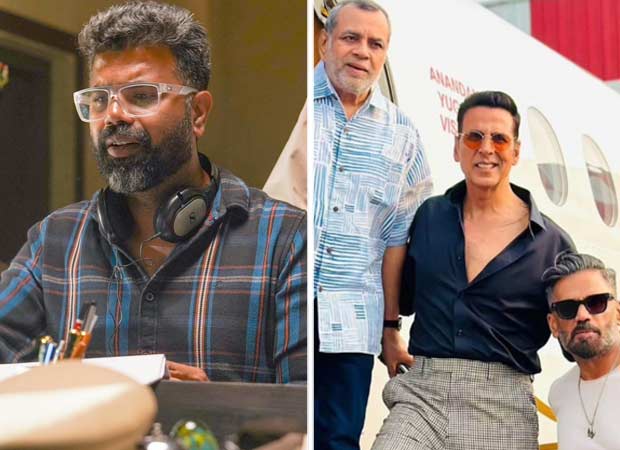
Recently, there was buzz in Bollywood circles suggesting that filmmaker Rohit Shetty might have taken inspiration from “Do Aur Do Paanch” for his upcoming comedy franchise, “Golmaal 5”. Reports indicated that Shetty’s team was exploring thematic elements reminiscent of the classic film. However, Rohit Shetty Picturez issued an official statement clarifying that “Golmaal 5” is neither a remake nor directly inspired by “Do Aur Do Paanch”. The clarification highlights the importance of legal clarity and respect for original intellectual property in Bollywood, especially given the film’s revered status.
Bollywood’s Evolving Approach to Rights Management
The recent actions by Soham Rockstar Entertainment reflect a broader shift within Bollywood towards stricter rights enforcement. As the industry becomes more globalized, with films reaching international audiences via streaming platforms and digital media, safeguarding original content has taken center stage. Many production houses and rights holders are now adopting similar legal notices to prevent piracy, unauthorized reproductions, and unlicensed adaptations.
This proactive stance also emphasizes the importance of copyright literacy among filmmakers, producers, and distributors. Recognizing the value of intellectual property not only ensures fair remuneration but also encourages creative innovation and respect for artistic rights. Bollywood, with its rich history of cinematic excellence, is increasingly aligning with global standards in content protection and legal compliance.
Conclusion: A Landmark Moment for Bollywood Film Rights
Soham Rockstar Entertainment’s declaration over “Do Aur Do Paanch” marks a significant moment in Bollywood’s ongoing journey towards stronger intellectual property rights enforcement. By asserting comprehensive ownership and warning against unauthorized use, the company sets a precedent for other rights holders to follow suit. This move not only protects the legacy of one of Bollywood’s classic comedies but also signals a matured approach to safeguarding cinematic treasures in the digital age.
As Bollywood continues to evolve, embracing new storytelling formats and expanding its global footprint, protecting its rich heritage and iconic films remains paramount. The recent legal assertion underscores the industry’s commitment to respecting creative rights, ensuring that Bollywood’s legendary films are preserved and protected for generations to come.