Bollywood Blockbuster ‘Dhurandhar’ Sparks Controversy Over Portrayal of Real-Life Cop
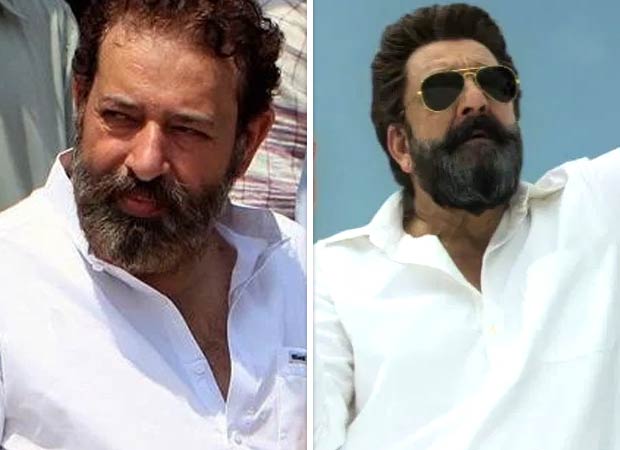
The recent release of the highly anticipated Bollywood film ‘Dhurandhar’, starring popular actors Ranveer Singh and Sanjay Dutt, has taken an unexpected turn as it faces mounting backlash from the family of a legendary Pakistani police officer. Despite its impressive box office performance and widespread acclaim, the film is now embroiled in controversy stemming from its depiction of real-life figure Chaudhary Aslam, a decorated officer renowned for his role in tackling Karachi’s notorious criminal gangs.

Family of Chaudhary Aslam Criticizes Film’s Portrayal
Chaudhary Aslam’s family, particularly his widow Noreen Chaudhary, has voiced strong objections to how their late relative is portrayed in the film. During a candid interview on the popular Dialogue Pakistan podcast, Noreen expressed her disapproval of a particular line in the movie’s trailer, where a character refers to Aslam as “the offspring of the devil and a jinn.” She emphasized that such language is deeply disrespectful to their Muslim faith and, more importantly, to Aslam’s memory and his mother, who was known for her honesty and simplicity.
Noreen explained, “My husband was a respected police officer who dedicated his life to fighting crime in Karachi. It is upsetting to see him depicted in such a disrespectful manner. We are Muslims, and such words are not only offensive but also distort the truth of his character.” She further warned that her family is prepared to take legal action if the film continues to malign Aslam’s reputation or is used to promote anti-Pakistan propaganda.
The Real Hero: Chaudhary Aslam’s Legacy
Chaudhary Aslam’s journey from an Assistant Sub-Inspector (ASI) in the 1980s to leading the Lyari Task Force in the 2000s is a story of resilience and dedication. His efforts in combating Karachi’s criminal underworld, particularly during the tumultuous period of gang wars involving notorious figures like Rehman Dakait, have cemented his legacy as a fearless law enforcement officer. His role in dismantling criminal networks during Karachi’s infamous crackdown was instrumental in restoring some semblance of order in the city.
Given this illustrious background, many in Pakistan and across South Asia have viewed the film’s portrayal as a significant deviation from the truth. The controversy has also sparked broader conversations about the representation of Pakistani heroes and the importance of respecting their legacies, especially in Bollywood, which has a massive audience across the subcontinent.
Legal and Ethical Challenges Surrounding ‘Dhurandhar’
Pre-release, the film already faced legal hurdles concerning the depiction of other real-life figures. Notably, the families of Major Mohit Sharma, an Ashoka Chakra awardee, filed a petition in the Delhi High Court seeking a stay on the film’s release. They alleged unauthorized use of Sharma’s story, asserting that their son’s achievements and identity were exploited without permission. The court, on December 1, 2025, instructed the Central Board of Film Certification (CBFC) to address these objections, ultimately allowing the film to be released.
These legal challenges underscore the complex intersection of artistic freedom, national sensitivities, and respect for individual legacies—an ongoing debate within Bollywood and the broader Indian film industry. Despite these hurdles, ‘Dhurandhar’ has managed to captivate audiences and generate significant commercial success.
Box Office Triumph and Overseas Success
While the controversy continues to dominate headlines, the film’s box office performance has been nothing short of phenomenal. Opening weekend figures surpassed expectations, grossing an impressive $3.83 million internationally. This strong showing made ‘Dhurandhar’ the third-biggest Bollywood opener of 2025, reaffirming Bollywood’s enduring appeal among global audiences and its capacity to produce blockbuster hits that resonate beyond India’s borders.
Industry experts attribute the film’s success to its star power, compelling storyline, and the buzz created by the controversy itself. Many fans flocked to theaters to see the movie, eager to experience the action-packed narrative inspired by true events, set against the backdrop of Karachi’s turbulent history.
Contextualizing the Film’s Content and Cultural Significance
Directed by Aditya Dhar, known for his knack for blending patriotic themes with gripping storytelling, ‘Dhurandhar’ aims to shed light on the turbulent life of a Pakistani police officer who fought tirelessly against crime. The film weaves a narrative that highlights themes of heroism, sacrifice, and justice, resonating strongly with audiences who appreciate stories rooted in real-life heroism.
However, the depiction of sensitive subjects, especially involving Pakistan’s law enforcement heroes, has ignited debates about the responsibilities of filmmakers when portraying such figures. Critics argue that Bollywood, as a cultural powerhouse, has an obligation to portray these stories with accuracy and respect, recognizing their significance in shaping perceptions and fostering cross-border understanding.
Bollywood’s Role in Cross-Border Cultural Exchange
As one of the world’s largest film industries, Bollywood has historically played a pivotal role in shaping perceptions not just within India but across South Asia and beyond. Films that explore themes of patriotism, heroism, and social issues often spark discussions that transcend borders, fostering a sense of shared history and cultural identity.
In this context, the controversy surrounding ‘Dhurandhar’ underscores the delicate balance Bollywood must maintain when dealing with politically sensitive subjects. While artistic expression is vital, respecting the dignity of real individuals and their legacies is equally crucial, especially when these stories have implications for diplomatic and cultural relations.
Looking Ahead: The Future of Bollywood and Sensitive Storytelling
The success of ‘Dhurandhar’ amidst controversy suggests that audiences are eager for bold, compelling stories that push boundaries. However, the ongoing debates highlight the need for filmmakers to approach real-life subject matter with sensitivity, thorough research, and respect for the individuals involved.
As Bollywood continues to evolve, embracing diverse narratives that celebrate heroism, resilience, and truth will be essential. The industry’s ability to navigate these complex issues responsibly will determine its future role as a global cultural ambassador, capable of inspiring and educating audiences worldwide.
Conclusion
In summary, ‘Dhurandhar’ stands as a testament to Bollywood’s power to create blockbuster hits that captivate audiences globally. Yet, it also serves as a reminder of the ethical and cultural responsibilities that come with portraying real-life figures, especially those linked to sensitive political and social histories. The controversy involving Chaudhary Aslam’s family underscores the importance of respectful storytelling and the ongoing dialogue about cross-border narratives in Bollywood.
As the film continues to draw crowds and spark conversations, it exemplifies the vibrant, dynamic nature of Bollywood—an industry that not only entertains but also reflects the complexities of history, identity, and national pride.
Stay tuned for more updates on Bollywood’s latest releases, controversies, and the evolving landscape of Indian cinema that continues to shape global cultural dialogues.