Controversy Surrounds Bollywood Composer Vishal Dadlani Over Interaction with Pakistani Journalist
The Bollywood entertainment industry, renowned for its vibrant music and diverse talent, often finds itself at the crossroads of political tensions and cultural exchanges. Recently, one of its prominent personalities, composer and singer Vishal Dadlani, has become the center of a heated controversy that underscores the complex relationship between art, politics, and national sentiment in India. The issue arose after Dadlani was seen engaging in a casual conversation with Pakistani journalist Safina Khan during an event in London, prompting an intense debate among fans, critics, and social media users alike.
The Incident That Sparked a Firestorm
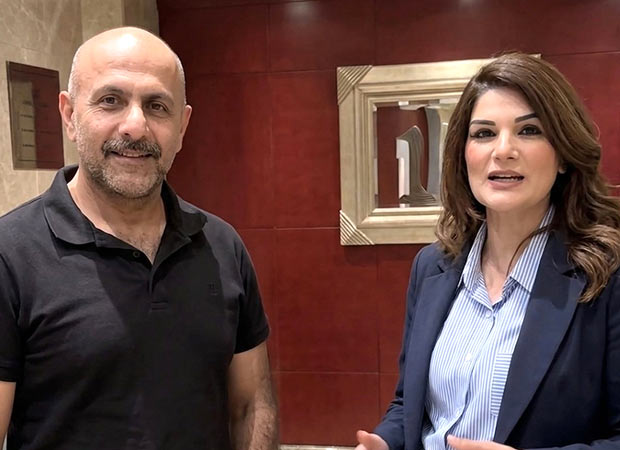
The controversy originated from a widely circulated video clip showing Vishal Dadlani speaking with Safina Khan, a journalist known for her outspoken views against India. The interaction took place in London, away from the immediate glare of Indian media, but it quickly caught the attention of netizens back home. In the clip, Dadlani appears to be engaged in a friendly and professional exchange with Khan, discussing music, culture, and perhaps more personal topics. However, the context was quickly lost amid the prevailing nationalistic sentiments that have been simmering across India for months.

Many social media users perceived the interaction as a sign of disrespect or disloyalty to Indian interests, leading to an outpouring of criticism. Safina Khan’s reputation for openly expressing anti-India sentiments further aggravated the situation, with critics arguing that Dadlani’s association with her was inappropriate for someone representing Indian music and entertainment on such a prominent platform.
Public Reaction and Demands for Action
The backlash was swift and intense. Several netizens demanded that Vishal Dadlani be removed from his role as a judge on the popular Indian Idol, a show that has historically celebrated musical talent from across India and beyond. Critics accused him of fraternizing with someone they consider a political adversary and questioned his patriotism. Hashtags calling for his suspension trended on social media, reflecting the deep divide in public opinion regarding the incident.
While many fans expressed support for Dadlani, emphasizing his right to free speech and the importance of cultural exchange, others insisted that his interactions with Khan were indicative of a lack of patriotism that should not be tolerated in the Bollywood industry.
Will the Channel Take a Stand?
The question now hanging in the air is whether Sony TV, the parent channel of Indian Idol, will respond to the mounting pressure. Historically, Indian entertainment channels have been cautious in addressing such controversies, especially when national sentiments are involved. Some industry insiders speculate that Sony TV might choose to wait out the storm, allowing the controversy to die down naturally, rather than risking a larger backlash by taking immediate action.
On the other hand, there is also a possibility that the channel might issue a statement clarifying their stance, reaffirming their commitment to artistic freedom and diversity. It remains to be seen whether they will take disciplinary action against Vishal Dadlani or continue to support him as a seasoned judge and a prominent figure in Bollywood’s music scene.
Contextualizing the Controversy within Bollywood and Indian Society
This incident highlights a broader debate within Bollywood and Indian society about the boundaries of free expression, cultural diplomacy, and nationalism. Bollywood, as the country’s largest film industry, has historically been a melting pot of diverse ideas and influences, often serving as a soft power tool to showcase India’s rich cultural heritage globally.
However, in recent years, heightened nationalist sentiments have fostered an environment where even casual interactions with individuals perceived as “enemies” or skeptics can ignite controversy. The tension is palpable, especially with ongoing geopolitical issues between India and Pakistan, which have often spilled over into public discourse and entertainment.
Vishal Dadlani’s case is a reflection of this delicate balance—where personal freedom and professional integrity sometimes clash with political expectations and public perceptions. It raises questions about whether Bollywood personalities should be more cautious in their interactions or whether this is a sign of a deeper societal divide that needs addressing.
Additional Insights: The Role of Celebrities in Political Discourse
Celebrities in Bollywood have always been influential voices, shaping opinions and inspiring millions. Their interactions, whether on social media or in person, are often scrutinized for political or ideological implications. While some argue that artists should remain apolitical, others believe that their platform inherently involves a degree of social responsibility.
In Vishal Dadlani’s case, his engagement with a Pakistani journalist—regardless of the content or intent—has been misinterpreted by many as a breach of patriotic decorum. This controversy underscores the importance of understanding the nuanced role of celebrities in cross-cultural and political dialogues, especially in a country as emotionally charged as India.
The Future of Bollywood Amid Rising Nationalism
This incident also prompts a broader reflection on the future trajectory of Bollywood, which continues to be a global ambassador of Indian culture. While the industry thrives on creativity and diversity, it must also navigate the turbulent waters of nationalism and political expectations. Balancing artistic expression with patriotic sentiments remains a challenge that Bollywood personalities and production houses must address carefully.
Moreover, the controversy surrounding Vishal Dadlani might influence how other Bollywood figures approach their interactions with international media and journalists from neighboring countries. It could lead to more cautious engagement, or alternatively, inspire a push for greater openness and dialogue across borders, emphasizing the importance of cultural diplomacy beyond political tensions.
Conclusion: A Reflection of a Complex Cultural Landscape
The debate ignited by Vishal Dadlani’s interaction with Pakistani journalist Safina Khan is more than a simple controversy; it is a mirror reflecting the complex, often conflicting forces shaping Bollywood and Indian society today. As the industry continues to evolve, it must grapple with questions of identity, patriotism, and freedom of expression.
Whether Bollywood will embrace a more inclusive and open approach or succumb to the pressures of rising nationalism remains to be seen. One thing is clear: celebrities like Vishal Dadlani are at the forefront of this ongoing conversation, embodying the delicate balance between artistic integrity and cultural loyalty in the ever-changing landscape of Indian entertainment.
As fans and critics await the next steps from Sony TV and the broader Bollywood community, this incident serves as a reminder of the power of media, the importance of nuanced understanding, and the ongoing quest to define what it truly means to be a part of India’s vibrant cultural tapestry.