Deepak Tijori Questions Censorship Policies in Bollywood Films: A Closer Look at Dhurandhar 2’s Theatrical Release
In the vibrant world of Bollywood, where films are a reflection of culture, societal norms, and artistic expression, censorship remains a contentious issue. Recently, actor and director Deepak Tijori has spotlighted these ongoing debates by raising critical questions about the censorship practices surrounding the highly anticipated film Dhurandhar 2: The Revenge. His comments shed light on the broader challenges faced by filmmakers, audiences, and regulatory bodies in balancing creative freedom with societal sensitivities.
Deepak Tijori’s Concerns Over Inconsistent Censorship Practices
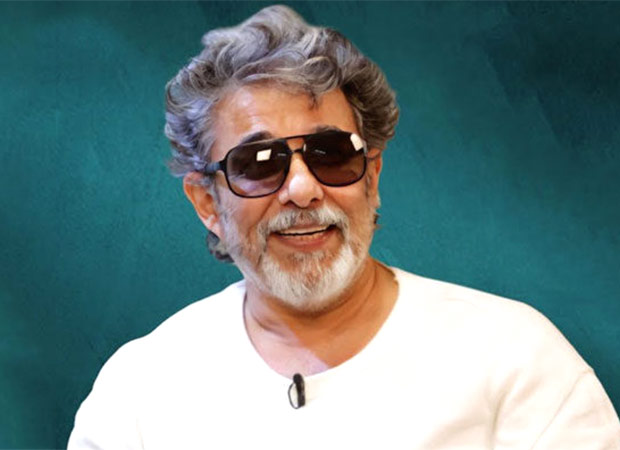
Deepak Tijori, a well-respected figure in Bollywood known for his acting and filmmaking prowess, voiced his frustrations regarding the Central Board of Film Certification’s (CBFC) handling of language in Dhurandhar 2. The film, which has already garnered an adults-only certificate, has become a focal point for discussions about the transparency and fairness of censorship in Indian cinema.

In a recent statement, Tijori expressed confusion over the CBFC’s decision to “half-mute” certain expletives during the film’s theatrical release. Instead of either fully muting or leaving the language untouched, the censor board opted for a partial censorship that appears inconsistent and arbitrary. “I genuinely don’t understand this, why mute half the abuses and let the other half stay?” he questioned, emphasizing how this selective editing seemingly lacks a clear rationale.
This approach, Tijori argued, not only undermines artistic integrity but also raises questions about the uniformity of censorship standards. As Bollywood continues to evolve and push boundaries, filmmakers and viewers alike are seeking greater clarity on what is permissible and what is not, especially when it comes to language that reflects contemporary realities.
The Purpose of Censorship in Bollywood and Its Evolving Role
The role of censorship in Bollywood has historically been to filter content that might offend certain audiences or violate societal norms. However, in recent years, there has been a significant shift towards more nuanced and, at times, inconsistent enforcement of guidelines. With the advent of digital platforms and OTT streaming services, the landscape of content consumption has dramatically changed.
Deepak Tijori’s critique highlights a key dilemma: if a film is granted an adults-only certification, what justifies the partial muting of language during its theatrical presentation? He questions whether such censorship serves the intended purpose of protecting viewers or if it merely complicates the viewing experience. “Who exactly are we protecting here? And from what, half a word?” he asked. This rhetorical question underscores a broader debate about the efficacy and fairness of censorship standards.
The Discrepancy Between Theatrical and OTT Releases: A Double Standard?
One of the most contentious points raised by Tijori pertains to the apparent double standard in how films are censored depending on the platform. He pointed out that while Dhurandhar 2 undergoes partial censorship in theaters—muting some language—the same movie, when released on OTT platforms, is presented in its original, unedited form.
This discrepancy not only confuses viewers but could also have unintended consequences. For instance, younger audiences who may be restricted from watching unfiltered content in cinemas might access the same language in the comfort of their homes, where controls are less stringent. Such inconsistencies challenge the credibility of content regulation and raise questions about the true purpose of censorship policies.
Bollywood, being a major cultural industry, has always been at the forefront of balancing artistic expression with social responsibility. However, Tijori’s observations suggest that current practices may inadvertently undermine this balance, especially as digital platforms continue to grow in popularity and influence.
The Broader Implications for Bollywood and Content Regulation
The debate over censorship is not limited to Dhurandhar 2 alone. It reflects a larger conversation about how Bollywood films are regulated in an era of rapid technological change. As movies are increasingly consumed on streaming services, the traditional gatekeeping role of the CBFC is being challenged, leading to calls for clearer, more consistent guidelines.
Moreover, the issue of language censorship touches on cultural shifts within Bollywood itself. Films are now more daring, reflecting a more open society that grapples with complex themes, including language that was previously taboo. The question is: how can regulators strike a balance that respects artistic freedom without crossing societal boundaries?
Deepak Tijori’s candid critique underscores the need for transparency and uniformity in censorship practices. Without clear guidelines, filmmakers may feel restricted in their creative expression, and audiences could become confused or desensitized to content boundaries.
Looking Ahead: The Future of Content Censorship in Bollywood
As Bollywood continues to evolve, so must its approach to censorship. Industry stakeholders—including filmmakers, regulatory bodies, and streaming platforms—must collaborate to develop policies that are fair, transparent, and adaptable to changing societal norms.
In particular, there is a growing demand for a more comprehensive and consistent censorship framework that considers the nuances of language, context, and cultural sensitivities. Such a framework would help ensure that content is regulated responsibly while preserving the creative integrity of Bollywood’s diverse storytelling.
Deepak Tijori’s vocal stance serves as a reminder that censorship practices should be rooted in fairness and clarity. His critique encourages ongoing dialogue about how best to serve both artistic expression and societal interests, ensuring that Bollywood remains a vibrant, responsible, and globally respected industry.
Conclusion: Striking the Right Balance in Bollywood’s Content Regulation
The controversy surrounding Dhurandhar 2 highlights the ongoing challenges faced by Bollywood in navigating censorship policies amid a rapidly changing media landscape. While protecting audiences, especially younger viewers, remains a priority, it is equally important to uphold the artistic freedom that makes Bollywood films unique and compelling.
Deepak Tijori’s insights serve as an important call to action for regulators and filmmakers to work together towards more consistent and transparent censorship standards. As Bollywood continues to captivate audiences worldwide, ensuring a fair and balanced approach to content regulation will be essential in preserving the industry’s creative spirit and cultural relevance for years to come.