Delhi High Court Grants Interim Relief to Bollywood Actor Varun Dhawan Against AI-Generated Deepfakes and Digital Exploitation
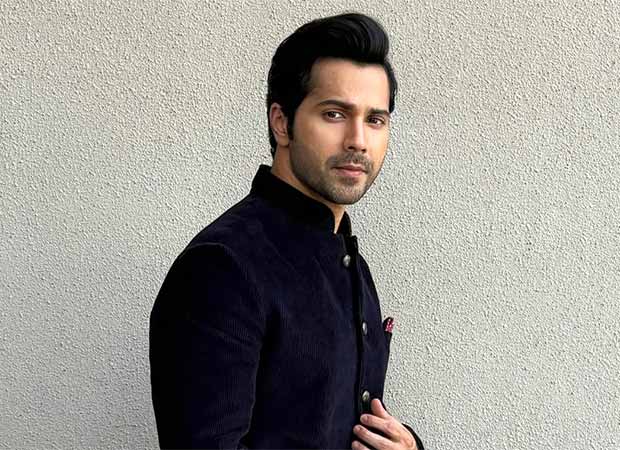
The evolving landscape of digital technology has brought unprecedented challenges for celebrities, especially within the vibrant world of Bollywood. Recently, the Delhi High Court took a significant step in protecting the rights of one of Bollywood’s most popular actors, Varun Dhawan, by granting him interim relief in a case concerning the misuse of his identity online. This landmark decision underscores the increasing importance of safeguarding celebrity personas in the age of artificial intelligence (AI) and digital manipulation.
Legal Action Amid Rising Concerns Over Digital Exploitation
On May 29, 2024, Justice Jyoti Singh of the Delhi High Court issued an order that provides temporary protection to Dhawan against the unauthorized use of his images, name, and likeness. The actor had approached the court with serious concerns about the proliferation of AI-generated deepfakes, fake endorsements, and counterfeit merchandise that exploit his celebrity status without consent. This case highlights a growing trend in Bollywood where digital content is manipulated to damage reputations or generate illicit profits.

The court’s detailed observations reveal the depth of the issue. Justice Singh acknowledged that Dhawan had demonstrated a prima facie case, meaning there is enough initial evidence to suggest that his rights are being infringed upon, and thus, immediate legal measures are justified. The actor’s plea focused on preventing the circulation of malicious content—particularly AI-generated images and videos—that depict him in inappropriate or defamatory contexts, including pornographic scenarios. The court recognized that such content not only harms Dhawan’s reputation but also misleads the public, potentially influencing perceptions about his character and professionalism.
Impact of AI-Generated Deepfakes on Celebrity Rights and Privacy
The case against digital manipulation is emblematic of broader concerns within Bollywood and the entertainment industry regarding the misuse of AI technologies. Deepfakes—synthetic media where a person’s likeness is replaced or altered—have become increasingly sophisticated and accessible, making it easier for malicious actors to produce realistic yet fake content. For Bollywood actors like Dhawan, whose images are widely circulated and highly recognizable, these deepfakes pose a significant threat to reputation, privacy, and personal safety.
The court emphasized that AI-generated content portraying Dhawan in inappropriate scenarios could cause irreparable damage. Such material, often created with malicious intent, can tarnish an actor’s image and create confusion among audiences. The judiciary’s stance signals a recognition of the need for legal frameworks that evolve alongside technological advancements to protect personality rights in the digital age.
Legal Protections and Court Orders to Curb Digital Exploitation
In its order, the Delhi High Court directed several online platforms and social media intermediaries to act swiftly against infringing content. Specifically, the court restrained various websites, e-commerce platforms, and social media providers from violating Dhawan’s publicity rights and using his likeness for commercial gains without authorization. This includes prohibiting the use of his name, image, voice, signature, or any other identifiable attribute for promotional or commercial purposes.
Furthermore, the court mandated technology giants such as Google, Meta Platforms (formerly Facebook), and X Corporation (formerly Twitter) to disclose the Basic Subscriber Information of users responsible for sharing or uploading the infringing content. This step aims to identify and hold accountable those behind the malicious dissemination of deepfake videos and counterfeit merchandise. Social media intermediaries have also been instructed to remove any new infringing material within 36 hours of notification, ensuring rapid response to protect Dhawan’s rights.
Addressing Commercial Exploitation and Trademark Violations
Senior Advocate Sandeep Sethi, representing Dhawan, highlighted the alarming trend of online sellers marketing merchandise bearing the actor’s name and likeness without permission. Unauthorized use of a celebrity’s image for profit not only infringes on intellectual property rights but also misleads consumers, creating false associations and damaging the actor’s brand reputation.
Dhawan has secured trademark registration for both his name and signature, reinforcing his legal rights over these identifiers. The actor contends that such unauthorized use constitutes infringement and passing off—legal terms that protect against deceptive conduct—thereby safeguarding his brand identity and preventing consumer confusion.
Broader Implications for Bollywood and Digital Rights
This landmark case is more than a victory for Varun Dhawan; it signifies a pivotal moment for Bollywood and the broader entertainment industry. As celebrity images become increasingly vulnerable to digital manipulation, courts in India are stepping up to address the complex issues surrounding AI-generated content, reputation management, and digital privacy rights.
The case underscores the urgent need for comprehensive legal frameworks that keep pace with technological innovation. Bollywood stars and other public figures are now calling for stricter regulations and technological safeguards to prevent misuse of their digital identities. The proliferation of deepfakes and counterfeit merchandise not only threatens individual reputation but also impacts the commercial landscape—affecting endorsements, branding, and the overall integrity of the entertainment industry.
Celebrity Endorsements and Brand Associations in Bollywood
In recent times, Bollywood celebrities like Dhawan have become the face of major brands, with endorsements spanning fashion, beauty, and lifestyle sectors. Brands leverage their popularity to reach vast audiences, but the ongoing digital misuse raises concerns about the authenticity and security of such associations.
For instance, Dhawan’s recent endorsement deal with Lux Cozi, where he is signed as the brand ambassador until 2030, exemplifies the importance of safeguarding celebrity identities. Such partnerships are built on trust, and any digital exploitation can jeopardize these collaborations, affecting both the celebrities and the brands involved.
Future Outlook: Strengthening Digital and Legal Safeguards in Bollywood
The Delhi High Court’s ruling sets a precedent for future legal actions against the misuse of celebrity images in Bollywood. It also emphasizes the importance of proactive measures—such as digital watermarking, AI detection tools, and stricter platform policies—to prevent unauthorized use of celebrity likenesses online.
Moreover, industry stakeholders are advocating for collaborative efforts between the government, tech giants, and entertainment bodies to develop robust mechanisms that combat deepfake proliferation and protect celebrity rights. Education campaigns aimed at raising awareness among fans and the general public about the risks of manipulated content are also vital.
Conclusion: A Step Towards Protecting Bollywood’s Digital Rights
The Delhi High Court’s intervention in the case involving Varun Dhawan marks a significant milestone in the ongoing battle to protect celebrity identities in the digital age. As Bollywood continues to thrive in a highly interconnected world, ensuring the privacy, reputation, and intellectual property rights of its stars is paramount. This case not only offers immediate relief to Dhawan but also paves the way for stronger legal protections and technological safeguards for Bollywood celebrities across India.
As AI technology advances, the industry and judiciary must work hand-in-hand to formulate comprehensive policies that safeguard artists and personalities against digital exploitation. Only then can Bollywood maintain its integrity and continue to shine brightly both on-screen and in the digital realm.