Delhi High Court Acts Against Bollywood-Inspired Film Teaser Over Reputation Concerns
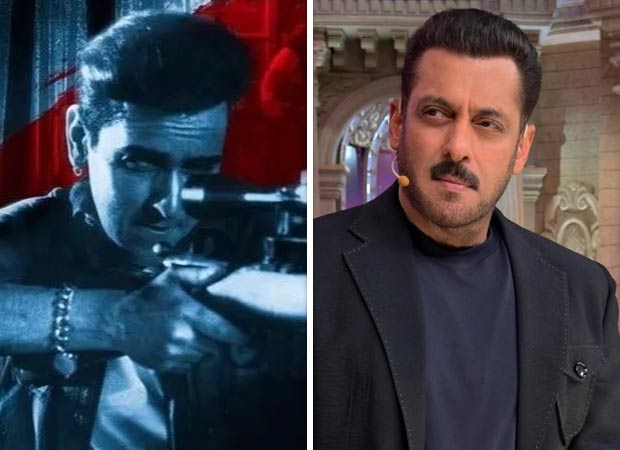
The Bollywood industry, known for its glitz, glamour, and larger-than-life stories, often finds itself embroiled in controversy, especially when cultural sensitivities, legal rights, and creative expressions intersect. Recently, a significant legal development unfolded in Delhi, where the High Court ordered the removal of a controversial teaser for the upcoming film “Kala Hiran: The Battle for Legacy”. The film, which allegedly draws inspiration from Bollywood superstar Salman Khan’s infamous 1998 blackbuck poaching case, has sparked a heated debate about artistic freedom, legal rights, and the responsibilities of filmmakers in the digital age.

Legal Intervention Highlights Concerns Over Reputation and Pending Litigation
The case gained prominence when the Delhi High Court directed the producers to remove the teaser from all social media platforms within 24 hours, citing potential harm to Salman Khan’s reputation. Justice Jyoti Singh emphasized that the content could damage the actor’s personal and professional image, especially given the sensitive nature of the case, which remains under judicial scrutiny. The court’s intervention underscores the delicate balance between creative expression and individual rights, particularly in the context of Bollywood, where stars’ personal lives often become public debates.
Background of the Case and Allegations
Salman Khan, a leading figure in Bollywood and a global icon, had previously obtained court orders safeguarding his personality rights. The actor’s legal team argued that the film’s teaser portrayed him in a defamatory light, suggesting links to the underworld and other illicit activities. Moreover, the teaser’s poster featured a character resembling Khan, adorned with a bracelet associated with the actor, further fueling claims of direct reference.
The controversy is compounded by the fact that the blackbuck poaching case is still pending before the Rajasthan High Court and the Supreme Court. Salman Khan has been acquitted in three of the four criminal cases against him, with the remaining sentence suspended. Despite this, the ongoing legal proceedings have not deterred the filmmakers from releasing content that appears to reference the case, raising questions about the boundaries of artistic depiction and legal protection.
The Court’s Stance on Defamation and Freedom of Expression
During the hearing, Justice Jyoti Singh voiced strong concerns about the potential damage caused by the teaser’s continued availability online. She remarked that such content, if allowed to persist, could undermine the actor’s reputation—a reputation painstakingly built over years in Bollywood, but which can be easily tarnished in moments of reckless media exposure.
The court also examined the role of digital platforms like X (formerly Twitter) and YouTube, emphasizing that social media intermediaries have a responsibility to prevent the dissemination of content that could harm individuals’ rights. While legal representatives of these platforms argued that pre-publication injunctions are challenging to enforce, the judiciary made it clear that platform owners cannot evade accountability, especially when content poses a legal threat or infringes on rights protected under Indian law.
Filmmakers’ Defense and Artistic Freedom
The defense counsel representing the film’s producer argued that the teaser did not explicitly name Salman Khan and did not employ advanced technologies such as deepfake or artificial intelligence to create misleading portrayals. They maintained that the teaser depicted public events and was protected under the right to artistic expression. However, Salman Khan’s legal team countered, asserting that the imagery and references in the teaser clearly pointed to him, infringing upon his personal rights and potentially prejudicing ongoing legal proceedings.
Furthermore, Khan’s lawyers highlighted that the portrayal could influence public opinion and impact the fairness of the trial, which remains active in the courts. The concern was that such depictions, especially on digital platforms accessible worldwide, could sway public perception and create bias against the actor in the legal process.
Implications for Bollywood and Creative Industries
The case is emblematic of larger debates within Bollywood about creative liberties versus individual rights. Films inspired by real-life events or personalities often walk a tightrope, balancing storytelling with legal and ethical considerations. This incident underscores the importance for filmmakers to exercise caution when referencing real people, especially amid ongoing legal cases.
It also raises awareness about the responsibilities of digital platforms and content creators in protecting individual rights while fostering artistic freedom. As Bollywood continues to produce bold and innovative narratives, legal precedents like this will shape how future stories are told and shared in the digital era.
Industry Reactions and Future Outlook
The reaction within Bollywood has been mixed. Some industry insiders support the court’s stance, emphasizing the importance of respecting personal rights and legal processes. Others argue that creative expressions should not be stifled and that artistic portrayals often reflect societal realities or artistic interpretations.
Meanwhile, the producer of “Kala Hiran”, Amit Jani, publicly reacted after the court’s decision, stating that the film would still be released in around 8,000 cinemas across India. Jani claimed that the film would be a compelling narrative rooted in historical events, asserting that it would not be censored or suppressed. This stance highlights the ongoing tension between legal restrictions and commercial interests in Bollywood’s vibrant industry.
Conclusion: Navigating the Intersection of Law, Art, and Celebrity in Bollywood
This recent legal development exemplifies the complex landscape Bollywood faces today—a world where creative freedom must be balanced with the rights of individuals, especially high-profile celebrities like Salman Khan. The Delhi High Court’s directive to remove the teaser not only safeguards personal reputation but also sets a precedent for how films inspired by real-life events can be handled legally and ethically in the digital age.
As Bollywood continues to evolve, producers, artists, and digital platforms will need to navigate these legal waters carefully. Respecting pending legal cases, safeguarding personal rights, and fostering responsible storytelling will be crucial in shaping the industry’s future while maintaining its global appeal and vibrant storytelling tradition.
Additional Context: The Role of Digital Media and Social Responsibility
The case also highlights the growing influence of social media and digital intermediaries in shaping public discourse. With content going viral in seconds, the responsibility of platforms like YouTube, X, and others becomes even more critical. Content creators must be aware of legal boundaries, especially when depicting real individuals or ongoing legal cases. The judiciary’s comments serve as a reminder that digital responsibility is integral to preserving justice and reputation in the digital age.
Final Thoughts
The Bollywood industry is no stranger to controversy, but this case underscores the importance of respecting legal processes and individual rights amidst creative pursuits. The Delhi High Court’s firm stance on the removal of the teaser reflects a broader societal effort to uphold justice, protect personal reputation, and foster responsible storytelling. As Bollywood continues to produce compelling stories that captivate audiences worldwide, it must also navigate these legal and ethical considerations to ensure a sustainable and respectful industry future.