
Bollywood’s Latest Controversy: ‘Homebound’ Under Legal Fire for Alleged Plagiarism
In a surprising turn of events that has captured the attention of both the Bollywood industry and international film circles, Dharma Productions, one of India’s most renowned film studios, has vehemently denied allegations of copyright infringement concerning its acclaimed film ‘Homebound’. The controversy erupted just days after the movie was shortlisted for the prestigious Best International Feature Film category at the 98th Academy Awards, adding a legal and ethical dimension to its rising reputation.

The Roots of the Allegation: A Literary Connection Sparks Legal Dispute
The dispute was initiated by author and journalist Puja Changoiwala, who accused the filmmakers of copying her 2021 novel titled ‘Homebound’. Changoiwala’s claims center around the assertion that significant portions of the film—particularly the second half—bear an uncanny resemblance to her literary work. She highlighted similarities in scenes, dialogue, narrative structure, and sequence of events, asserting that the film’s creative elements mirror her novel closely enough to constitute copyright infringement.
In October, Changoiwala took the legal route by sending a formal notice to Dharma Productions, seeking remedies that include an injunction to prevent further screenings of the film, as well as monetary damages. Her legal argument hinges on the idea that the film not only shares the same title but also incorporates substantial creative and narrative components from her novel without proper authorization.
Dharma Productions Responds: Denial and Defense
In response, Dharma Productions issued a strong statement, dismissing the allegations as “baseless and unfounded.” The studio emphasized that ‘Homebound’ is an officially licensed adaptation inspired by a reputable source—a 2021 article published by The New York Times authored by Basharat Peer. The statement clarified that all necessary rights for adaptation had been lawfully acquired, and appropriate credit was duly given to the original source.
Furthermore, Dharma Productions acknowledged the receipt of a legal notice and confirmed that their legal team has responded accordingly. The studio also noted that media reports have indicated a potential pre-suit mediation attempt before the Bombay High Court; however, they stated that no formal communication of such proceedings has yet been received. The studio reaffirmed its commitment to protecting the integrity of its creative work and indicated that it is exploring legal avenues to defend its rights.
About the Film ‘Homebound’: A Critical Acclaim and Awards Buzz
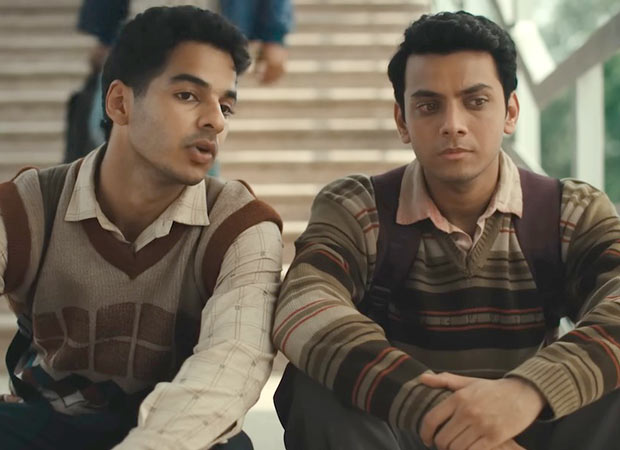
‘Homebound,’ directed by the acclaimed filmmaker Neeraj Ghaywan, has garnered widespread attention not only for its compelling storytelling but also for its social relevance. The film stars Ishaan Khatter, Janhvi Kapoor, and Vishal Jethwa, and is set against the backdrop of the massive migrant exodus during the COVID-19 pandemic. Its poignant portrayal of human resilience and societal upheaval has resonated strongly with audiences and critics alike.
Given its powerful narrative and artistic direction, ‘Homebound’ rapidly became a strong contender in the international awards circuit, culminating in its selection for the Oscar shortlist. This recognition has further amplified the film’s profile, making the legal controversy surrounding it all the more significant.
Legal and Ethical Implications in Bollywood and Beyond
The ‘Homebound’ plagiarism allegations highlight broader issues within Bollywood and the global film industry regarding intellectual property rights, originality, and creative integrity. While adaptations are common—often inspired by books, articles, or real-life events—clear legal frameworks and ethical standards are essential to avoid conflicts and protect original creators.
This controversy underscores the importance of transparency and due diligence, especially in a saturated industry where ideas can sometimes be recycled or reinterpreted without proper acknowledgment. It also raises questions about the boundaries of creative borrowing and the importance of respecting intellectual property rights in a rapidly evolving cinematic landscape.
Contextualizing the ‘Homebound’ Case within Bollywood’s Creative Landscape
Bollywood, known for its vibrant storytelling, has historically navigated a complex relationship with source material. From remakes of classic films to adaptations of novels and foreign movies, the industry’s approach varies widely. However, legal disputes like this serve as a reminder that originality and proper licensing are crucial for sustainable creative growth.
The controversy surrounding ‘Homebound’ is not an isolated incident. Similar cases have emerged in recent years, prompting industry stakeholders to reevaluate their processes and emphasize copyright awareness. As Bollywood continues to expand its global footprint, respecting intellectual property rights will become increasingly essential to maintain credibility and foster innovation.
What’s Next? Legal Proceedings and Industry Impact
As the legal battle unfolds, the film industry and audiences alike will be watching closely. If the courts find merit in Changoiwala’s claims, it could set a precedent for stricter adherence to copyright laws in Bollywood. Conversely, if Dharma Productions successfully defends its position, it may reinforce the importance of clear licensing and due diligence when adapting literary or journalistic works.
In parallel, the controversy has sparked wider discussions about ethical filmmaking practices in Bollywood, emphasizing the need for transparency and respect for original creators. It also highlights the importance of safeguarding intellectual property rights to encourage more original storytelling and creative innovation.
Conclusion: A Turning Point for Bollywood’s Creative Ethics
The ‘Homebound’ copyright dispute serves as a wake-up call for Bollywood, emphasizing that artistic originality and legal compliance must go hand in hand. As the industry continues to make global strides, ensuring respect for intellectual property rights will be vital to sustain growth, credibility, and artistic integrity.
While the film’s Oscar recognition underscores its artistic success, the legal controversy reminds filmmakers and producers of the importance of ethical practices. Ultimately, how this case unfolds could influence the future of Bollywood’s creative landscape, fostering a culture where innovation is protected and celebrated.
Stay tuned for further updates as this story develops, and continue exploring the dynamic world of Bollywood—where tradition meets innovation amidst ongoing legal and ethical debates.