Bollywood Faces Legal Battle Over Iconic Song Use in ‘Dhurandhar The Revenge’
In a developing controversy that has captured Bollywood’s attention, production banner Trimurti Films has initiated legal proceedings against Aditya Dhar’s B62 Studios, alleging unauthorized use of a classic song in the latest film, Dhurandhar The Revenge. This dispute not only highlights the ongoing challenges surrounding intellectual property rights in the Indian film industry but also underscores the importance of respecting musical legacies within Bollywood’s vibrant creative landscape.
Background of the Dispute: The Song ‘Rang De Lal’ and Its Significance
The core of the legal conflict revolves around the song ‘Rang De Lal’, a memorable track that originally appeared in the 1989 blockbuster Tridev. This song holds a special place in Bollywood history, renowned for its infectious melody and energetic rhythm that became an instant classic among audiences. Composed by the legendary duo Kalyanji-Anandji, with additional arrangement by Viju Shah, and penned by celebrated lyricist Anand Bakshi, ‘Rang De Lal’ was brought to life through the soulful voices of Amit Kumar and Sapna Mukherjee.

Its enduring popularity has cemented its status as a cultural touchstone, often referenced and remixed in various Bollywood productions over the decades. However, the current legal dispute casts a spotlight on the complex web of rights and permissions that underpin such iconic tracks, especially when they are incorporated into new cinematic works.
The Legal Allegations and Claims
According to sources close to the case, Trimurti Films asserts that they hold the rightful ownership or control over the rights associated with both the musical composition and the sound recording of ‘Rang De Lal’. The company contends that B62 Studios and filmmaker Aditya Dhar’s team incorporated the song — or a version substantially similar to it — into Dhurandhar The Revenge without securing the necessary licensing or permissions.
The lawsuit explicitly states that this use constitutes a breach of copyright law, involving unauthorized reproduction and communication of the protected work to the public. The legal document further emphasizes that such actions amount to copyright infringement, which can undermine the rights of original creators and rights holders.
In their legal filing, Trimurti Films has requested an injunction to prevent further use of the song in any promotional or screening capacities. Additionally, they are seeking damages for the unauthorized use and are requesting related reliefs to compensate for the potential commercial exploitation of the track through theatrical screenings, digital streaming platforms, and promotional materials linked to Dhurandhar The Revenge.
The Significance for Bollywood and the Music Industry
This legal battle underscores an ongoing challenge within Bollywood: safeguarding intellectual property rights in an era where music snippets, remixes, and film soundtracks are frequently reused or adapted. As Bollywood continues to grow as a global entertainment powerhouse, issues surrounding copyright infringement and proper licensing have taken center stage, prompting industry stakeholders to revisit their policies and enforcement mechanisms.
The case serves as a reminder that the legacy of Bollywood’s musical maestros must be protected, especially when their timeless compositions are woven into contemporary cinema. It also highlights the need for filmmakers and production houses to diligently acquire rights before incorporating iconic songs into their projects, ensuring they respect the artists’ and rights holders’ legal and moral claims.
About ‘Dhurandhar The Revenge’ and Its Cultural Impact
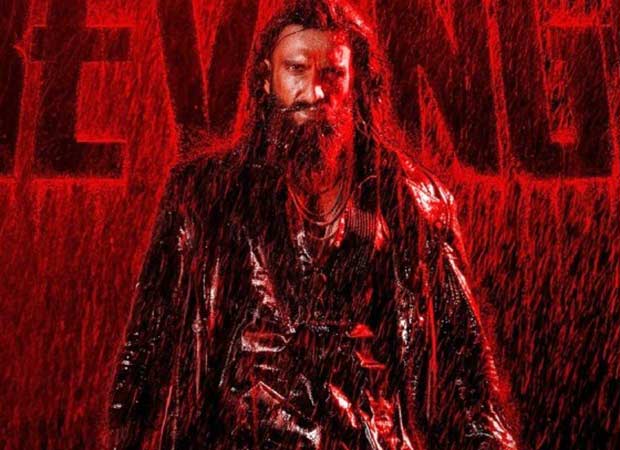
Dhurandhar The Revenge is a highly anticipated Hindi-language spy action thriller released in 2026. Directed by Aditya Dhar, renowned for his impactful storytelling and visual finesse, the film is produced by Jio Studios and B62 Studios. It serves as the sequel to the 2025 blockbuster Dhurandhar, continuing the saga of a skilled spy navigating complex international conspiracies.
Since its release on March 19, the film has garnered significant attention, not only for its high-octane action sequences and engaging plot but also for its commercial success at the box office. The film’s popularity has led to widespread discussions across Bollywood circles, especially given the concurrent legal developments involving its soundtrack.
Legal Developments and Industry Reactions
Interestingly, the legal tussle has coincided with other judicial interventions related to the film. Notably, the Mumbai High Court recently issued a stay order restraining a plagiarism accusation against the film’s director, Aditya Dhar, offering some relief amid the controversy. This parallel legal development has further intensified media coverage and industry debates about originality, copyright, and the ethical responsibilities of filmmakers in Bollywood.
Many industry insiders see this case as a wake-up call for Bollywood’s creative community. As the industry increasingly leans on nostalgia and iconic musical tracks to attract audiences, the importance of clear licensing agreements and respect for intellectual property rights has become more evident than ever. The incident underscores the need for Bollywood to adopt more stringent copyright practices, especially when dealing with the rich musical heritage that forms the backbone of Indian cinema.
The Road Ahead: Implications for Bollywood’s Creative Ecosystem
While the legal proceedings are ongoing, the case has already sparked conversations about the future of music rights management in Bollywood. Experts suggest that stricter enforcement, transparent licensing processes, and awareness campaigns are essential to prevent similar disputes. For filmmakers, this legal episode emphasizes the importance of conducting thorough rights clearance before incorporating existing works into new projects.
Furthermore, this controversy may encourage Bollywood studios to invest more in original compositions and secure comprehensive rights, thereby avoiding costly legal battles and preserving the integrity of their creative outputs. As Bollywood continues to evolve as a global cultural phenomenon, protecting its musical heritage remains crucial for maintaining authenticity and respecting the artists who have shaped its rich musical legacy.
Conclusion: Upholding Bollywood’s Musical Heritage
The lawsuit filed by Trimurti Films against B62 Studios over the alleged unauthorized use of ‘Rang De Lal’ in Dhurandhar The Revenge is more than just a legal dispute—it is a reflection of the larger challenges facing Bollywood in safeguarding its artistic treasures. As the industry moves forward, it must balance innovative storytelling with respect for its musical roots, ensuring that the magic of Bollywood’s timeless songs continues to enchant audiences around the world.
Ultimately, this case serves as a reminder that Bollywood’s strength lies not only in its star power and storytelling but also in its rich musical heritage. Protecting that legacy is essential for nurturing new talent, honoring legendary artists, and ensuring that the spirit of Indian cinema remains vibrant and authentic for generations to come.