
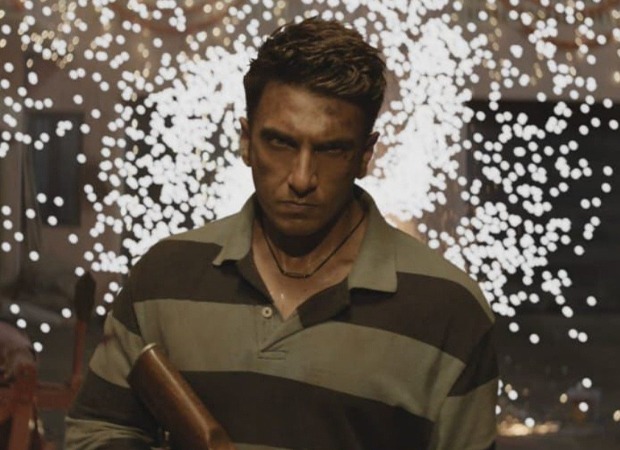
Delhi High Court Orders Review of Bollywood Action Film Over Security Concerns
The Delhi High Court has taken a significant step in examining potential security risks associated with the upcoming Bollywood film Dhurandhar The Revenge, starring the popular actor Ranveer Singh. On Wednesday, the Court directed the Union government and the Central Board of Film Certification (CBFC) to scrutinize allegations that the film might have breached provisions of the Official Secrets Act by revealing sensitive operational details linked to India’s armed forces. This development underscores the complex intersection of creative expression, national security, and censorship in Bollywood, India’s vibrant film industry.
Background of the Case: Concerns Over Content and National Security
The legal proceedings originated from a Public Interest Litigation (PIL) filed by Deepak Kumar, a Head Constable with the Sashastra Seema Bal (SSB), a frontline border security force. Kumar raised alarms over specific scenes and references within Dhurandhar The Revenge, asserting that the film might compromise national security by exposing classified information related to India’s military strategies and operations. The petition highlighted that certain sequences appeared to depict operational locations and personnel inspired by real-life senior officials and deceased servicemen, potentially risking the safety and confidentiality of national defense.

Furthermore, the petition alleged that the film divulges details about ongoing defense research, specifically mentioning the Defence Research and Development Organisation (DRDO) and their work on advanced weaponry and technology. Such disclosures, according to the petitioner, could undermine ongoing military projects and provide adversaries with insights into India’s strategic capabilities.
The Court’s Deliberation: Balancing Artistry and Security
During the hearing, the bench comprising Chief Justice Devendra Kumar Upadhyaya and Justice Tejas Karia acknowledged that Dhurandhar The Revenge is primarily a work of fiction designed to entertain. However, the Court emphasized that the potential impact of a film cannot be dismissed solely based on its fictional nature. “Even if the movie is a work of imagination, the effects it may have on public perception and national security are valid concerns,” the judges remarked.
The Court further pointed out that the depiction of defense-related details—such as military tactics, operational locations, and sensitive technological developments—warrants careful examination by the relevant authorities. This is particularly important in Bollywood, where films often draw inspiration from real-life military and intelligence operations to lend authenticity and dramatic appeal. However, such creative liberties must be balanced against the imperative to safeguard national interests.
Role of the Censor Board and Government Authorities
While the Court did not issue an outright ban or restriction on the film, it directed the Ministry of Information and Broadcasting (MIB) and the CBFC to treat the petition as a formal representation. This means that the authorities are now tasked with reviewing the concerns raised and making an informed decision on whether certain scenes or references should be modified or omitted before the film’s release.
“The censor board should have clear guidelines to evaluate films that touch upon sensitive themes,” the Court stated. “We are merely directing the authorities to consider the petition and act responsibly, keeping in mind both artistic freedom and national security.”
Impact on Bollywood and Creative Freedom
This legal development raises broader questions about the boundaries of creative expression in Bollywood, especially when depicting military and intelligence themes. The film industry has a long history of drawing inspiration from real events, often portraying heroism, espionage, and national conflicts to resonate with audiences. However, the rise of such legal scrutiny reflects increasing caution from authorities about the potential repercussions of cinematic portrayals that could reveal classified information.
Bollywood, known for its vibrant storytelling and large-scale productions, often walks the tightrope between artistic liberty and sensitive national issues. Directors and writers are now more conscious of the possible repercussions of depicting military operations, especially in an era where geopolitical tensions are high and security remains a top priority for India.
Broader Context: National Security and Artistic Expression
The case of Dhurandhar The Revenge is emblematic of a wider debate within India and globally about the limits of artistic freedom. Films have historically been powerful tools for shaping public perceptions of national identity, patriotism, and military strength. However, when such films potentially reveal operational details or technological advancements, they can become a matter of national concern.
This incident also highlights the ongoing challenge faced by Bollywood filmmakers who strive for authenticity and realism in their storytelling. While realism enhances viewer engagement, it must be balanced against the need to protect sensitive information. The Indian government and certification authorities are now tasked with establishing clear guidelines to navigate this complex terrain, ensuring that creative works do not inadvertently compromise security.
Future Outlook: Cinematic Creativity Meets Security Protocols
As Bollywood continues to produce high-octane, visually stunning films that often incorporate military and espionage themes, the industry is likely to see increased scrutiny from security agencies and certification bodies. Filmmakers might need to collaborate more closely with defense experts and government officials during the scripting and production phases to ensure compliance with security protocols.
Moreover, legal cases like this serve as a reminder that creative freedom in Bollywood is not absolute—especially when dealing with sensitive themes. The balance between artistic expression and safeguarding national interests is delicate but crucial for maintaining both the integrity of the industry and the security of the nation.
The Role of the Court and Regulatory Bodies Moving Forward
The Delhi High Court’s directive for the MIB and CBFC to consider the petition as a formal representation signifies a cautious approach towards censorship. It emphasizes the importance of due process and informed decision-making in the context of films that touch upon national security issues.
In the coming weeks, industry stakeholders, security agencies, and government officials will likely engage in discussions to refine guidelines for Bollywood films. This includes setting parameters for depicting military secrets, technological advancements, and intelligence operations, ensuring that the creative industry can continue to produce compelling content without compromising security.
Conclusion: A New Chapter for Bollywood’s Creative and Security Landscape
The legal scrutiny of Dhurandhar The Revenge marks a pivotal moment for Bollywood, reflecting the evolving landscape where entertainment, patriotism, and security intersect. While artists and filmmakers seek to tell authentic stories that resonate with audiences, they must also navigate the sensitive terrain of national defense. The ongoing dialogue between the film industry, government authorities, and the judiciary will shape the future of Bollywood’s storytelling, ensuring that cinematic creativity does not come at the expense of India’s security and sovereignty.
As Bollywood continues to captivate global audiences with its rich storytelling and high production values, this case serves as a reminder of the responsibilities that come with depicting India’s military and intelligence operations on the big screen. Balancing artistic freedom with national security remains a challenge—one that requires collaboration, transparency, and a commitment to safeguarding India’s interests while fostering creative expression.