
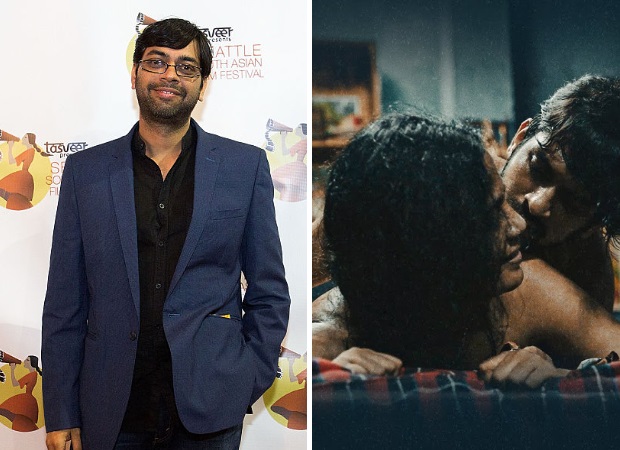
Bollywood Film ‘Agra’ Encounters Censorship Hurdles Amidst Fight for Recognition
In a significant development within the Bollywood industry, the critically acclaimed yet controversial film ‘Agra’ has recently faced censorship challenges from the Central Board of Film Certification (CBFC). This rare Hindi film, notable for its bold portrayal of frontal nudity—a rarity in mainstream Bollywood—was subjected to cuts that sparked widespread debate about artistic freedom, censorship norms, and the future of independent cinema in India.

The Controversy Surrounding ‘Agra’ and Censorship Decisions
According to reports by Bollywood Hungama, the film was initially granted an ‘A’ (adults-only) certification but faced scrutiny over specific scenes. The CBFC demanded cuts to a frontal nudity sequence and certain abusive dialogues, leading to a tense negotiation process between the filmmakers and the certification authorities. Despite the film’s mature content, the filmmakers contended that these elements were integral to the narrative and artistic expression.
In an exclusive interview, director Kanu Behl shed light on his experience with the censor board, revealing a surprisingly cooperative attitude. Behl stated, “I can comment in the context of my film. Thankfully, I got no pushback from the Censors. In fact, they were really nice to us. They loved the film. Whatever changes have been made were done by me personally. All they asked me to do was to cut out 3 shots. They said, ‘We love the film. We don’t want to cut anything out of it. We think it’s a really important film. We are giving you an adults-only certificate. Today, even with an adult rating, you cannot have nudity and profanity.’”
The Censorship Process and Artistic Integrity
Behl further explained that the CBFC’s primary concern was the depiction of nudity and language, which they deemed inappropriate even for an ‘A’ rated film. The director was able to negotiate, resulting in the removal of just one shot containing nudity, while other contentious elements like abusive language were also edited out. Interestingly, Behl appreciated the upfront manner in which the censor board approached these issues, emphasizing that their intentions were not to outright ban or suppress his film but to adhere to the guidelines.
He added, “They asked me to cut 3 nudity shots. I was able to talk to them about two and explain the importance of it. Accordingly, I made small alterations. So, all that was deleted was 1 shot. The abuses were also removed, which I did not object to because it’s a much bigger structural question. Also, the Committee couldn’t do anything about it. They were really upfront about it and I appreciated that.”
Challenges in Securing Screenings and the Fight for Visibility
Despite the relatively smooth negotiations with the CBFC, ‘Agra’ has struggled to find adequate screens across India. Kanu Behl expressed his frustration over the limited theatrical exposure, highlighting a broader issue within Bollywood and Indian cinema at large. In conversations with Bollywood Hungama, Behl emphasized that he is not asking for an excessive number of screens—just a modest platform of 100 good screens to showcase his film, rather than the 1,000 screens often reserved for blockbuster commercial films.
He questioned whether the industry’s system has become so monopolized that independent films—particularly those that challenge societal norms or explore complex themes—are pushed to the margins. Behl’s words resonate with many filmmakers and film enthusiasts who believe that Bollywood is increasingly dominated by formulaic, entertainment-driven content aimed at mass appeal, leaving little room for nuanced, socially relevant stories.
Broader Implications for Bollywood and Independent Cinema
The case of ‘Agra’ serves as a microcosm of the ongoing struggles faced by independent filmmakers in Bollywood. While the industry has seen unprecedented growth and global recognition, this expansion often comes with increased censorship and commercial pressures that stifle creative freedom. Films that dare to depict raw human experiences, social taboos, or unconventional narratives are frequently met with resistance from certification boards and multiplex chains alike.
Behl’s advocacy extends beyond his own film. He is passionate about initiating a larger conversation regarding the future of independent cinema in India. He criticizes the current system, which he believes is designed to promote a narrow range of entertainment—often infantilized or overly sanitized—to maximize profits. His call to action is clear: filmmakers and audiences must push for a more inclusive, open film industry that allows diverse stories to flourish without fear of censorship or limited access.
The Need for Systemic Change and Industry Reflection
As Bollywood continues to evolve on the global stage, it faces a critical crossroads. The push and pull between artistic integrity and commercial viability remain central themes, with censorship policies playing a pivotal role. The controversy surrounding ‘Agra’ underscores the importance of balancing creative expression with societal norms, and it raises questions about whether the existing certification process is equipped to handle films that challenge traditional boundaries.
Moreover, the limited screening opportunities for films like ‘Agra’ reflect deeper systemic issues—monopolized multiplexes, profit-driven programming, and a reluctance to showcase films that deviate from mainstream formulas. Industry insiders and critics argue that a more democratized distribution system is essential to nurture a vibrant, diverse Bollywood that truly represents the multifaceted nature of Indian society.
Looking Ahead: The Future of Bollywood and Independent Films
Despite these hurdles, filmmakers like Kanu Behl remain optimistic and committed to their craft. Behl’s dedication to fighting for more screening space and advocating for independent cinema signals a resilient spirit within Bollywood. His insistence on starting conversations about the industry’s structural issues points to a potential shift—a recognition that the future of Bollywood depends on embracing diversity, pushing artistic boundaries, and resisting the homogenization of content.
As Bollywood continues to grow as a global cultural force, it must grapple with its internal challenges: censorship, commercialization, and the marginalization of non-mainstream stories. Films like ‘Agra’ serve as catalysts for change, inspiring filmmakers and audiences alike to demand a more open, inclusive cinematic landscape.
Conclusion: A Call for Artistic Freedom and Industry Reform
The journey of ‘Agra’ through the censorship process and its struggle for screen visibility encapsulates the broader dynamics at play within Bollywood today. It highlights the ongoing tension between artistic expression and regulatory constraints, as well as the urgent need for reform in how Indian cinema is promoted, distributed, and celebrated globally.
As the industry evolves, it is crucial for stakeholders—filmmakers, censorship authorities, multiplex chains, and audiences—to work collaboratively toward a future where bold, meaningful stories like ‘Agra’ are not only made but also given the space and recognition they deserve. Only then can Bollywood truly reflect the diverse tapestry of Indian society and continue to be a powerful voice in global cinema.