Controversy Surrounds Bollywood Film ‘Haq’ Based on Shah Bano Begum’s Landmark Case
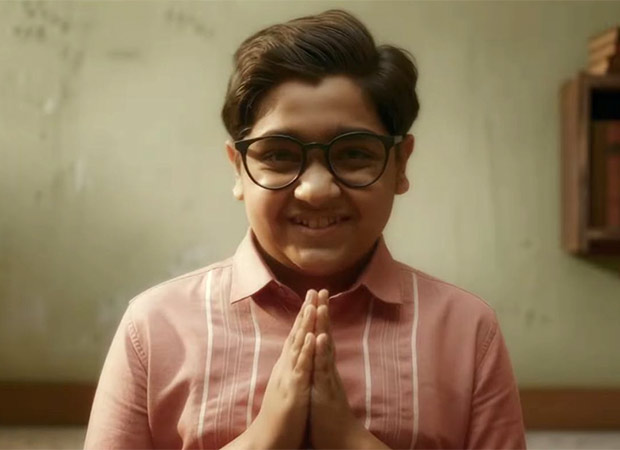
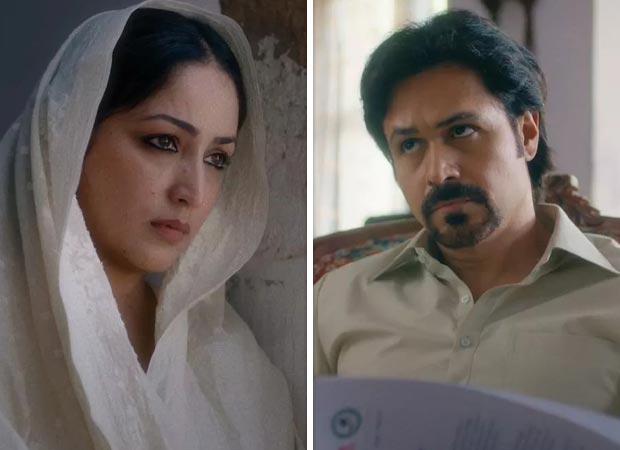
The upcoming Bollywood film ‘Haq’, scheduled for release on November 7, 2025, has become the center of a heated legal and ethical controversy. The film, directed by Suparn S. Verma and produced by Junglee Pictures, stars prominent actors Emraan Hashmi and Yami Gautam. While the filmmakers tout it as an inspiring narrative inspired by Shah Bano Begum’s historic legal battle, her family disputes these claims, asserting that the portrayal is unauthorized and misrepresents key facts.
The Historical Significance of Shah Bano’s Case
Shah Bano Begum’s case in 1985 was a watershed moment in Indian legal history, especially for Muslim women’s rights. Her fight for maintenance after divorce challenged traditional practices and led to significant legislative reforms, including the passage of the Muslim Women (Protection of Rights on Divorce) Act, 1986. The case not only reshaped legal interpretations but also ignited debates on secularism, women’s rights, and religious personal laws within India’s complex social fabric.

For her family, Shah Bano’s story embodies more than just legal victory; it symbolizes resilience, gender justice, and the ongoing struggle for equality. As such, her narrative holds deep personal significance, which they feel is being compromised by the filmmakers without their consent.
Family’s Objection: Unauthorized Use and Distorted Facts
Jubair Ahmad Khan, grandson of Shah Bano Begum, has publicly expressed strong objections to the film. Speaking exclusively to ANI, Jubair stated that the family was not consulted during the making of ‘Haq’ and criticized the teaser for distorting several key facts about Shah Bano’s life and legal battle. He emphasized that the film appears to commercialize a deeply personal and sensitive chapter of their family’s history, infringing on their right to privacy.
“They didn’t seek our permission, nor did they clarify what aspects of Shah Bano’s life they would portray,” Jubair lamented. “The teaser misrepresents facts, giving a distorted view of what actually happened. It’s our private matter, and it should not be turned into entertainment for commercial gain.”
Discrepancies in the Portrayal: What the Family Disputes
According to Jubair, the teaser of ‘Haq’ suggests a narrative that diverges significantly from the actual events. While the film claims to be inspired by the Supreme Court case and a book titled ‘Bano, Bharat ki Beti’, the family asserts that the movie depicts aspects of Shah Bano’s life beyond the legal case, including personal details and broader social issues that are not part of the official record.
Jubair pointed out, “If the film is truly based only on the case, then it should show the court proceedings and legal documents. But the teaser shows scenes and storylines that are not part of the actual legal history. This misrepresentation can mislead viewers and distort public perception of Shah Bano’s legacy.”
Legal Actions and Family’s Demands
In response to these concerns, Shah Bano Begum’s family has taken legal action. A petition has been filed seeking a stay on the film’s release, arguing that the filmmakers have used their personal story without permission. The legal notice demands that all promotional activities, screenings, and marketing of ‘Haq’ be halted until the matter is resolved.
Attorney Ajay Bagadiya, representing the film’s producers, defended the project by stating that the film carries a disclaimer clarifying it is a fictionalized account inspired by the Supreme Court judgment and the book. He emphasized that the movie is not a documentary and is meant to be a dramatized interpretation, thus not bound to strictly factual representation.
However, Jubair countered this defense by highlighting inconsistencies. “The disclaimer doesn’t negate the fact that the film is based on Shah Bano’s life story. If it is only inspired by the case, then it should stick to the legal proceedings. Instead, the teaser shows a different narrative, which conflicts with the official basis of the story,” he argued.
Implications for Bollywood and Ethical Filmmaking
The controversy surrounding ‘Haq’ raises broader questions about ethical storytelling in Bollywood, especially when depicting real-life personalities and sensitive historical events. Bollywood has a long tradition of blending entertainment with social commentary, but this case underscores the importance of respecting personal rights and verifying facts before dramatizing real stories.
Filmmakers often face the challenge of balancing creative freedom with the responsibility of accurate representation, particularly when dealing with figures who have left a lasting legacy. The Shah Bano family’s objections highlight the need for respect, consent, and transparency in such projects, especially in a diverse and culturally sensitive country like India.
The Role of Public Perception and Media in Shaping Legacy
As Bollywood continues to produce biopics and inspired stories that captivate audiences, the impact on public perception of historical figures becomes increasingly significant. A film like ‘Haq’, if not handled with care and sensitivity, risks distorting perceptions about Shah Bano Begum’s life and the legal battles that defined her legacy.
The media’s role in scrutinizing such projects is crucial. Responsible journalism can ensure that the narratives presented to the public are balanced, factual, and respectful of the individuals involved. The ongoing legal challenges and public debate surrounding ‘Haq’ serve as a reminder that storytelling in Bollywood is not just entertainment but also a reflection of societal values and history.
Looking Ahead: The Future of the ‘Haq’ Film Project
As the dispute unfolds, all eyes are on the filmmakers to address the family’s concerns and clarify their intentions. The resolution of this controversy could set a precedent for how Bollywood approaches stories based on real people and historic events in the future.
Meanwhile, the Shah Bano family continues to advocate for their rights, emphasizing the importance of respecting their privacy and the integrity of Shah Bano Begum’s legacy. Their fight underscores a vital aspect of responsible filmmaking—honoring the truth while respecting personal rights.
Conclusion
The controversy surrounding ‘Haq’ exemplifies the delicate balance between storytelling, artistic freedom, and ethical responsibility in Bollywood. As the film’s release date approaches, stakeholders—filmmakers, legal entities, and audiences—must reflect on the importance of respecting personal histories and ensuring accurate representations. The case of Shah Bano Begum remains a powerful reminder of how cinema can influence societal narratives and the enduring need for sensitivity and integrity in Bollywood’s storytelling tradition.