
Controversy Erupts Over Netflix’s Bollywood Film Ghooskhor Pandat: Industry and Political Reactions Escalate
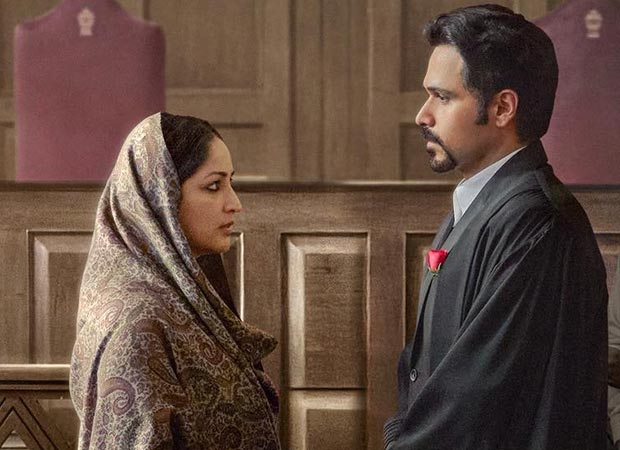
The upcoming Netflix film Ghooskhor Pandat, directed by renowned filmmaker Neeraj Pandey and starring acclaimed Bollywood actor Manoj Bajpayee, has become the center of a heated controversy that has captured national attention. What was initially a promotional teaser has now sparked widespread protests, legal challenges, and political debates, highlighting the sensitive nature of language, representation, and community sentiments in contemporary Indian cinema.
The Roots of the Controversy: Title Sparks Outrage in Bollywood and Beyond
The controversy erupted shortly after the film’s announcement and the release of its teaser, which featured the provocative title Ghooskhor Pandat. The term “Ghooskhor”, a colloquial Hindi expression, is often used to describe someone who takes bribes or engages in corrupt practices. When combined with “Pandat”, a term traditionally associated with Brahmin priests or scholars, the title appeared to many as a potentially derogatory caricature that could reinforce stereotypes about a particular community.

Critics and cultural commentators expressed concern that such a title might perpetuate harmful stereotypes, promote misunderstandings, and offend the sentiments of the community associated with the term Pandat. The use of colloquial language combined with culturally sensitive terms in the context of a Bollywood film—an industry with a global audience—raised questions about responsibility and cultural sensitivity.
FWICE’s Formal Objection and Industry-Wide Disapproval
The Federation of Western India Cine Employees (FWICE), representing a broad spectrum of industry professionals—technicians, artists, and workers—quickly responded with a formal objection. In a strongly worded letter sent to producers’ associations and major OTT platforms such as Netflix, Amazon Prime Video, Zee5, and SonyLIV, FWICE condemned the title, asserting it targeted a specific community in a derogatory manner.
According to a PTI report, FWICE stated: “FWICE and its affiliated associations firmly oppose the use of this title, as it appears to single out and demean a particular community and its traditional livelihood in a disrespectful manner.” The federation emphasized the importance of media and entertainment platforms acting responsibly, especially when their content influences public perceptions and social harmony.
The letter further warned that if the title was not withdrawn, FWICE might advise its members and affiliated associations to boycott working on projects associated with the film’s production house. Such a move could have significant repercussions for the film’s crew and technicians, potentially leading to a broader industry-wide boycott that hampers future collaborations.
Legal and Political Ramifications: A Fight Beyond the Screen
The controversy extended into the legal and political spaces, highlighting the societal impact of language in Bollywood and Indian cinema overall. An FIR (First Information Report) was lodged in Lucknow against the film’s creators, accusing them of hurting caste sentiments and promoting communal disharmony. Additionally, a writ petition was filed in the Delhi High Court seeking a stay on the film’s release, citing the title as “offensive and provocative.”
Political organizations, notably the Vishwa Hindu Parishad (VHP), joined the chorus of criticism, branding the title as “offensive” and calling for appropriate action against the filmmakers. These developments prompted authorities to issue directives to Netflix India to remove the teaser and promotional content related to the film from official channels, citing the need to prevent any further potential unrest.
Neeraj Pandey and Manoj Bajpayee Respond to the Backlash
In response to mounting pressure, director Neeraj Pandey issued a public statement acknowledging that the title had inadvertently caused hurt among certain viewers. He announced that all promotional material for Ghooskhor Pandat would be temporarily taken down. Pandey clarified that the film is a work of fiction set within the context of a police drama and that the term “Pandat” is used colloquially to describe a character, not as a commentary on any community or caste.
Manoj Bajpayee, the film’s lead actor, also addressed the controversy via his social media channels. He stated: “I respect the emotions and concerns people have shared, and I take them seriously… This film explores the journey of a flawed individual seeking self-awareness. It is not intended as a statement about any caste, religion, or community.” His message aimed to reassure fans and critics alike that the film’s intent was purely artistic and fictional.
Procedural Concerns and Industry Standards
Beyond public reactions, the Film Makers Combine (FMC), another prominent industry body, raised procedural objections. They pointed out that the title Ghooskhor Pandat had not been formally approved under the standard title registration process mandated by film industry regulations. FMC cautioned Netflix and the production team to adhere to proper procedures and avoid using unauthorized titles that could lead to legal complications.
The Broader Context: Bollywood’s Role in Social Discourse
This controversy underscores a broader debate within Bollywood and Indian cinema at large about the social responsibility of filmmakers. As Bollywood continues to evolve and reach a global audience, the importance of respectful language, cultural sensitivity, and avoiding stereotypes has become more critical than ever. Films and projects that inadvertently offend can face backlash not only from audiences but also from political groups and legal authorities, affecting the industry’s reputation and future projects.
Moreover, this incident highlights the increasing influence of social media, where public sentiment can rapidly mobilize against content perceived as offensive. It demonstrates the balancing act Bollywood must perform—creating engaging, innovative stories while respecting cultural and community sensitivities.
Looking Ahead: The Future of the Film and Industry Lessons
As of now, the future of Ghooskhor Pandat remains uncertain. The filmmakers have indicated their willingness to make adjustments, and the film’s release could be delayed or rebranded to address the concerns raised. The incident serves as a reminder to the Bollywood industry about the importance of cultural awareness and procedural diligence when selecting titles and content.
For viewers and industry watchers, this controversy highlights a shifting landscape where social responsibility and cultural respect are increasingly integral to a film’s success and acceptance. It also underscores the need for Bollywood to be mindful of its influence, especially when dealing with culturally sensitive topics.
Conclusion: Navigating the Complexities of Representation in Bollywood
The controversy surrounding Ghooskhor Pandat exemplifies the complex interplay between artistic expression, community sentiments, and social responsibility in Bollywood. While the industry continues to produce bold and innovative content, it must also navigate the delicate terrain of cultural representation and language. As the situation develops, it will serve as a case study for future projects, emphasizing the importance of sensitivity, procedural adherence, and responsible storytelling in Bollywood’s ongoing evolution on the global stage.