Bollywood Pays Tribute to Veteran Actor Pradeep Rawat Following His Passing
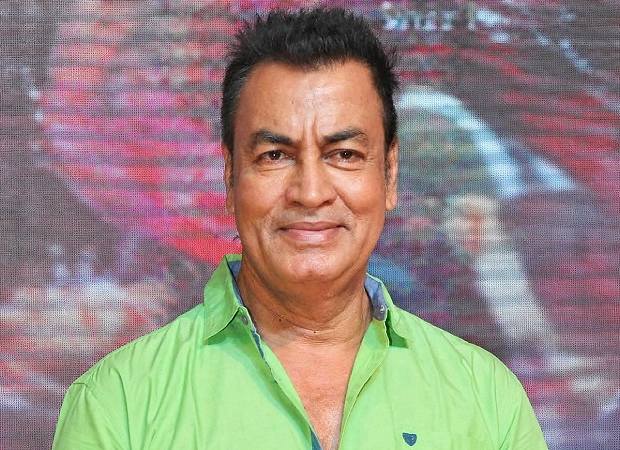
The Indian entertainment industry, particularly the world of Bollywood and regional cinema, is mourning the loss of one of its most revered and versatile actors, Pradeep Rawat. Known for his commanding screen presence and memorable performances across decades, Rawat’s death has left colleagues, fans, and industry insiders reflecting on his profound contribution to Indian cinema. Actor Yashpal Sharma, a close friend and co-star, took to social media to pay heartfelt tribute to Rawat, highlighting the deep impact he had both professionally and personally. This article explores Rawat’s illustrious career, the circumstances surrounding his passing, and the legacy he leaves behind.
Pradeep Rawat: A Stellar Journey in Indian Cinema and Television
Early Years and Rise to Fame
Pradeep Rawat first garnered national recognition when he portrayed the legendary Ashwatthama in the iconic television series Mahabharat by B.R. Chopra. This role established him as a formidable actor capable of embodying complex characters with depth and gravitas. His commanding voice and intense expressions made him a natural fit for villainous roles, a niche in which he would excel for decades to come.

Expanding Horizons in Bollywood and Regional Cinema
Over the years, Rawat’s versatility led him to star in several landmark Bollywood films, including Agneepath (1990) and Sarfarosh (1999). His performances in these movies showcased his ability to adapt to diverse genres, from action to drama. However, it was his role in the critically acclaimed Lagaan (2001), directed by Ashutosh Gowariker, that catapulted him into the international spotlight. Although his role was supporting, Rawat’s powerful presence added to the film’s compelling narrative that was nominated for the Best Foreign Language Film at the Oscars, making it a milestone in Indian cinema and Bollywood’s global recognition.
Global Stardom with the Tamil Blockbuster Ghajini
Pradeep Rawat’s career took a significant leap when he played the dual role of the antagonist in the original Tamil version of Ghajini (2005). His portrayal of the ruthless and cunning villain earned widespread acclaim, establishing him as one of the most formidable villains in Indian cinema. He reprised this role in the 2008 Hindi remake starring Aamir Khan, further cementing his reputation as a quintessential Bollywood villain. His portrayal of the character was not just menacing but layered with nuances, making him a favorite among audiences and filmmakers alike.
Rawat’s Impact Beyond Bollywood
While Bollywood was his primary domain, Rawat also made significant contributions to regional cinema and television. His ability to seamlessly switch between Hindi, Tamil, and other regional languages made him a sought-after actor across the Indian film industry. His performances often transcended language barriers, resonating with audiences nationwide and internationally.
Passing and the Industry’s Response
Rumors and the Lack of Official Confirmation
Details regarding Pradeep Rawat’s cause of death have not yet been officially confirmed by his family. Reports suggest that he was battling blood cancer, but no formal statement has been issued to verify this. As news of his passing spreads, colleagues and fans are pouring in condolences, celebrating his four-decade-long legacy in Indian cinema and television.
Yashpal Sharma’s Heartfelt Tribute
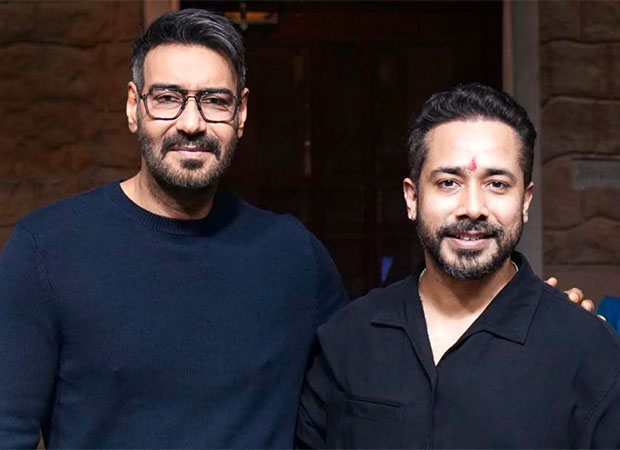
Actor Yashpal Sharma, who shared the screen with Rawat in the Oscar-nominated film Lagaan, expressed his grief on social media. In a touching Instagram post, Sharma described Rawat as a dear friend and a talented artist whose contributions to the industry will be remembered forever. His words reflect the deep respect and admiration Rawat garnered among his peers, emphasizing the void his absence leaves behind.
Legacy and Influence in Bollywood and Indian Entertainment
Pradeep Rawat’s legacy extends beyond his memorable villainous roles. He was known for his dedication to craft, his professionalism on set, and his ability to bring authenticity to every character he portrayed. His performances have inspired many aspiring actors in Bollywood and regional cinema, especially those aiming to carve a niche in villainous or character roles.
His influence is also evident in how Indian cinema often blends regional talent into mainstream Bollywood productions, showcasing the country’s rich diversity. Rawat exemplified this trend through his versatile roles and linguistic capabilities, helping to bridge regional and national cinema in India.
What’s Next: The Industry’s Reflection and Continued Tributes
The news of Rawat’s demise has initiated a wave of tributes from across the Bollywood fraternity. Fans and colleagues are sharing memories, heartfelt messages, and clips of his performances on social media platforms. Discussions around his most iconic roles, especially in films like Ghajini and Lagaan, are trending, reaffirming his status as one of the most influential villains in Bollywood history.
As the industry mourns the loss of this talented actor, many are also celebrating his contributions to Indian cinema’s growth and global recognition. Bollywood, known for its vibrant storytelling and diverse talent pool, continues to honor Rawat’s legacy, ensuring his work remains an inspiration for generations to come.
Conclusion
The passing of Pradeep Rawat marks the end of an era in Indian cinema and regional entertainment industries. His remarkable journey from television to Bollywood’s biggest screens exemplifies dedication, talent, and versatility. While official details about his death are still awaited, the outpouring of grief and admiration from his peers and fans underscores the profound impact he had on Bollywood and beyond.
This story is still developing, and updates will be provided as verified information becomes available. Meanwhile, the industry and fans continue to remember and celebrate the extraordinary life and career of Pradeep Rawat, a true stalwart of Indian entertainment whose legacy will undoubtedly endure for decades to come.