‘Gondhal’ Global Trailer Unveiled Ahead of Seven-Language Theatrical Release
The global trailer for Gondhal, a psychological thriller written and directed by Santosh Davakhar, has been released ahead of its scheduled worldwide theatrical debut on November 13, 2026. The film is drawing attention for both its culturally rooted story and its ambitious release plan: it is set to reach audiences in seven languages—Hindi, Marathi, Tamil, Telugu, Malayalam, Kannada and English.
The makers say the rollout will include cinemas across India, the United States, the United Kingdom, Europe, Australia, Dubai and Africa. They have described the release as the first seven-language global theatrical rollout for a Marathi film, a move that could help introduce regional Indian cinema to a wider international audience.

A psychological thriller rooted in Maharashtra’s traditions
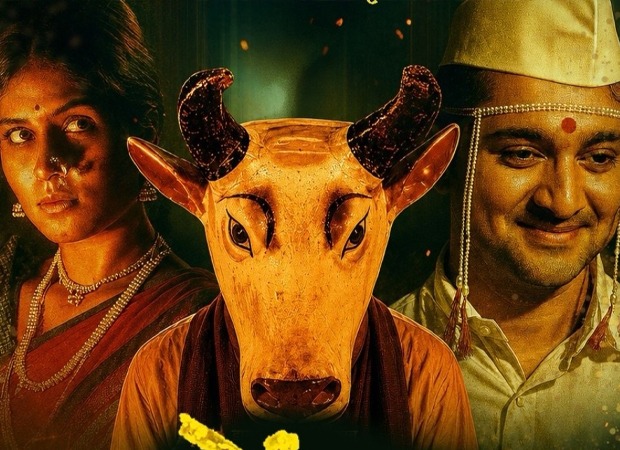
Set within the cultural landscape of Maharashtra, Gondhal follows newlyweds Suman and Anandrao. Their relationship and daily lives become increasingly unsettled as personal longing, the demands of married life and religious devotion begin to collide. The newly released trailer offers glimpses of the couple’s strained circumstances, alongside mysterious events that gradually deepen the film’s atmosphere of uncertainty.
Rather than revealing the full story, the preview appears to build suspense around what the characters experience and how their beliefs shape their response to it. That approach places the film at the intersection of psychological drama and cultural storytelling, inviting viewers to consider how tradition, faith and private choices can influence a marriage.
The title refers to a devotional folk performance tradition associated with Maharashtra. By placing this cultural form at the centre of a contemporary thriller, the film aims to offer more than a familiar genre experience: it also presents international viewers with a tradition they may not have encountered on screen before.
Davakhar’s vision for taking a regional story worldwide
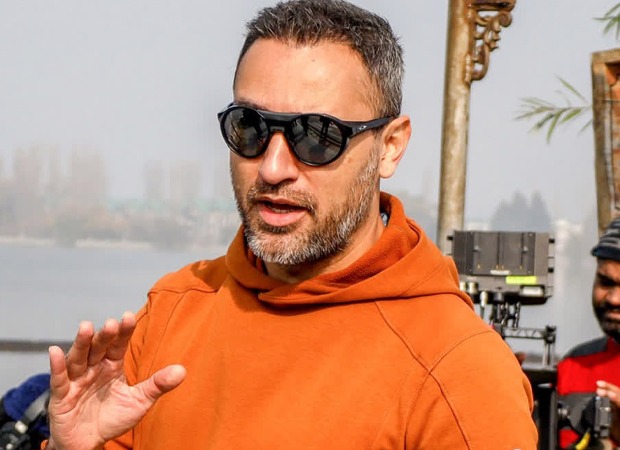
Writer-director Santosh Davakhar has said that he wanted Gondhal to broaden the way audiences encounter India through cinema. He noted that international perceptions of Indian films are often shaped by stories about poverty and caste conflict. While acknowledging the importance of those subjects, he argued that they represent only part of the country’s many histories, communities and cultural expressions.
“Gondhal is not a film but generations of culture, people, traditions coming together,” Davakhar said, describing the project as an opportunity to share a lesser-seen aspect of Indian heritage with the world. He added that bringing the tradition to international audiences is a source of considerable pride.
Davakhar also highlighted the role of global film platforms in helping regional stories travel beyond their places of origin. His stated goal is to present the tradition through a culturally authentic yet accessible cinematic language—one that preserves its local character while giving viewers from different backgrounds a way into the story.
India’s official Oscar submission
Gondhal has been selected as India’s official submission for the 99th Academy Awards in the Best International Feature Film category. The makers have also said the film is being considered in multiple categories, though they have not yet shared details about those additional submissions.
An Oscar submission can bring increased visibility to a film, but it also places it in a highly competitive international field. For a Marathi-language production planning a multilingual theatrical release, the selection further sharpens attention on how regional cinema can connect with audiences beyond India. The film’s seven-language plan is especially notable in this context, as it seeks to make the story accessible across a broad range of markets rather than relying on a single-language release.
Davakhar has previously received recognition at the International Film Festival of India. He won the Silver Peacock for Best Director at the festival’s 56th edition, where the jury described Gondhal as “like a Shakespearean fable set in a real world.” The comparison suggests a story with heightened dramatic stakes grounded in recognisable human relationships and circumstances.
Cast, crew and a striking opening sequence
The film stars Ishita Deshmukh, Kishor Kadam, Yogesh Sohani and Nishad Bhoir. It is produced by Santosh Davakhar and Diksha Davakhar under the Davakhar Films banner, with cinematography by Amalendu Chaudhary.
One technical detail highlighted by the makers is the film’s opening: Gondhal begins with a 25-minute unbroken take. Such an extended sequence can create a sustained sense of immersion, keeping viewers close to the action without the usual visual breaks of frequent edits. It also presents a demanding task for the cast and crew, requiring carefully coordinated performances, camera movement and timing.
A wider moment for Marathi and regional Indian cinema
The planned international rollout reflects a growing interest in bringing regional Indian films to audiences beyond their home markets. While Bollywood remains a major part of India’s global film identity, the country’s cinema landscape also includes a wide range of language industries, each with distinct storytelling traditions and cultural perspectives.
For Gondhal, the challenge will be to balance local specificity with international accessibility. Its story is rooted in Maharashtra, but its themes—marriage, desire, responsibility, faith and uncertainty—have the potential to resonate across cultures. The multilingual release may help viewers engage with the film in their preferred language while keeping its cultural setting central to the experience.
With its Oscar submission, festival recognition, psychological-thriller premise and ambitious seven-language release, Gondhal is positioning itself as a significant upcoming title for Marathi cinema and the broader Indian film industry. The film is scheduled to open in theatres worldwide on November 13, 2026.