
Celebrating Independent Asian Cinema: ‘Birds in the Dark’ Premieres at Busan International Film Festival
The upcoming Indian film ‘Birds in the Dark’ (originally titled Hanere De Panchi) is poised to make a significant mark on the international film stage with its world premiere at the prestigious 31st Busan International Film Festival (BIFF). Scheduled to run from October 6 to October 15, 2026, this compelling piece of cinema exemplifies the rich tapestry of contemporary South Asian storytelling, blending cultural nuances with bold cinematic artistry.

Setting and Themes: A Deep Dive into Rural Punjab
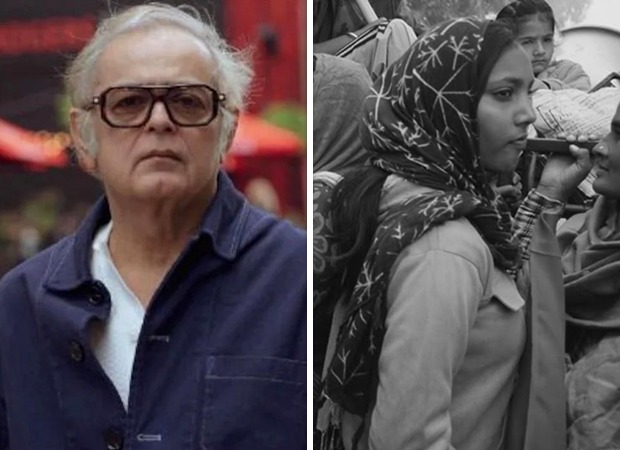
Set against the serene yet complex backdrop of rural Punjab, ‘Birds in the Dark’ is a black-and-white narrative that explores the intricacies of life in marginalized communities. The film uniquely weaves together dialects of Punjabi, Kashmiri, and Urdu, accentuating its authentic regional flavor and emphasizing linguistic diversity. This multilingual approach not only enriches the storytelling but also underscores the interconnectedness of different North Indian cultures within the broader spectrum of Indian society.
The film delves into pressing social issues related to gender, caste, and class, providing a nuanced portrayal of the struggles and resilience of rural inhabitants. Through its stark black-and-white cinematography, ‘Birds in the Dark’ captures the quiet beauty of everyday life while confronting the stark realities faced by those living on the margins of mainstream society.
The Creative Force Behind the Film
Directed, written, and shot by Shashank Walia, a visionary filmmaker committed to exploring intersectional narratives, the film is a testament to independent Asian cinema’s bold and personal storytelling tradition. Walia emphasizes that the film is rooted in community and collective experience, aiming to foster understanding and empathy through its storytelling.
Reema Kaur, the producer and editor of the film, shares her insights: “This film is our sincere attempt to portray the quiet, mundane rhythms of everyday life, and the resilience that lives within them. Living alongside the community, listening to their stories, and working with them to bring this story forth, we discovered the power of the collective. It has been a deeply humbling journey.”
Busan International Film Festival: A Platform for Independent Voices
Founded in 1996, the Busan International Film Festival stands as Korea’s inaugural film festival and one of Asia’s most influential cultural events. It serves as a vital bridge connecting Asian filmmakers with global audiences, championing innovative and diverse voices in cinema. The festival’s Vision section, in particular, showcases films that embody the independent spirit of Asian filmmakers, emphasizing bold storytelling and artistic experimentation—precisely what ‘Birds in the Dark’ represents.
Director’s Vision and Artistic Intent
Shashank Walia articulates the core ethos of his film: “Birds in the Dark emerges from the people and returns to them. This film was born from a desire to understand one another through mutual aid, care, and solidarity. It is in these acts that we discover what connects us, what is worth fighting for, and, ultimately, what sustains us—love.”
This thematic focus aligns with contemporary global conversations around social justice, gender equality, and community resilience, making the film a timely addition to the international festival circuit. Walia’s approach exemplifies how regional stories from Bollywood’s hinterlands can resonate universally, highlighting the importance of independent cinema in fostering cross-cultural understanding.
Production Insights and Personal Journeys
Reema Kaur, who has played multiple roles in the project—as producer, editor, and community collaborator—reflects on the significance of the project: “This is my third film at Busan, following Aligarh and Omerta, both of which explored complex social issues through powerful narratives. With ‘Birds in the Dark’, I am proud to debut as a producer at Busan, working alongside Shashank to create a poetic, meditative exploration of gender, labor, justice, and love.”
Hansal Mehta, renowned filmmaker and producer, adds a personal touch: “This film is a heartfelt reflection of the quiet strength found within rural communities. It beautifully captures the resilience and dignity of everyday life, and I believe it will resonate with audiences looking for authentic stories from the heart of India.”
Sahil Saigal, co-producer from True Story Films, emphasizes the importance of supporting unique voices: “True Story Films has always sought to back distinct, director-driven projects. ‘Birds in the Dark’ belongs on a stage like Busan, where innovative and courageous cinema can thrive. We are proud to bring this film to an international platform.”
Bollywood’s Role in Promoting South Asian Cinema
While Bollywood remains the global face of Indian cinema, the industry has been increasingly diversifying its storytelling landscape. Films like ‘Birds in the Dark’ exemplify the shift towards more authentic, socially conscious narratives that challenge mainstream stereotypes. This movement reflects a broader trend within Indian cinema—supported by Bollywood’s influence—that values regional stories and independent voices, expanding the global reach of South Asian filmmaking.
Moreover, the festival’s spotlight on films like this underscores the growing importance of regional and independent cinema in shaping Bollywood’s future. As Bollywood continues to evolve, it increasingly embraces stories that reflect the diverse realities of India’s population, including those from rural and marginalized communities.
Looking Ahead: The Impact of ‘Birds in the Dark’
The world premiere at Busan marks a significant milestone for ‘Birds in the Dark’ and its creators. It promises to open doors for wider international recognition and distribution, allowing audiences worldwide to experience the nuanced realities of rural Punjab through a bold, artistic lens.
As Asian cinema gains prominence on the global stage, films like this highlight the importance of independent storytelling in fostering cultural exchange and understanding. The film’s inclusion in the BIFF Vision section not only celebrates its artistic merit but also underscores the vital role of regional voices in shaping the future of global cinema.
In Conclusion
‘Birds in the Dark’ stands as a testament to the evolving landscape of Bollywood and South Asian cinema, where diverse voices are increasingly celebrated on international platforms. With its bold black-and-white visuals, authentic regional dialects, and profound thematic exploration of community, love, and justice, the film exemplifies the power of independent filmmaking to challenge, inspire, and connect audiences across borders.
As the 31st Busan International Film Festival prepares to showcase this remarkable work, it reaffirms its role as a vital incubator for innovative Asian cinema—bringing stories that matter from the heart of India and beyond to the global stage.
Stay tuned for updates on the film’s reception and distribution, as ‘Birds in the Dark’ promises to be a compelling addition to the canon of contemporary Bollywood and South Asian cinema that continues to push artistic boundaries and deepen cultural dialogues worldwide.