Legal Dispute Casts Shadow Over Bollywood’s Highly Anticipated Film O’Romeo
The glitz and glamour of Bollywood are often accompanied by intense media scrutiny, but recent developments suggest that legal controversies can also overshadow the excitement surrounding a film’s release. One such case involves the upcoming Bollywood movie O’Romeo, which is currently embroiled in a serious legal dispute just days before its scheduled theatrical debut. The dispute has raised questions not only about the film’s content but also about the boundaries of artistic freedom and the rights of individuals portrayed on screen.

Sanober Shaikh Files Civil Suit to Halt Release of O’Romeo
On Monday, Sanober Shaikh, the daughter of the late Hussain Ustara, formally filed a civil lawsuit in a Mumbai court, seeking an injunction to prevent the release of O’Romeo on its planned release date of February 13, 2026. Shaikh claims that the film is an unauthorized biographical portrayal of her father and that it distorts his life story in ways that could cause irreparable damage to his reputation and her family’s emotional well-being.
This legal challenge underscores the sensitive nature of biographical films within the Bollywood industry, especially when they involve real-life figures linked to the criminal underworld or controversial histories. Sanober Shaikh’s lawsuit alleges that the filmmakers, including producer Sajid Nadiadwala, director Vishal Bhardwaj, and journalist-author Hussain Zaidi, did not seek her consent before developing the film. She contends that the movie appears to be driven by commercial motives, aiming to capitalize on her father’s notoriety without regard for the factual accuracy or the privacy of her family.
The Core Allegations and Court Proceedings
According to court documents, Shaikh’s petition emphasizes that O’Romeo is purportedly based on Hussain Shaikh’s life, known colloquially as Hussain Ustara, a figure associated with the Mumbai underworld. Shaikh asserts that the film’s portrayal could cause significant harm to her family, including her children, who are entitled to live peacefully without the specter of misrepresentation or defamation.
She further claims that the filmmakers failed to obtain any prior approval or consent from her or her family before proceeding with the project. The suit requests a permanent injunction to prevent the film’s release, or at least a pre-screening review conducted by an authorized court-appointed individual, to scrutinize the content for potential inaccuracies or defamatory material.
In response, representatives of Vishal Bhardwaj and Nadiadwala Grandson Entertainment have denied that O’Romeo is a biopic. They argue that the film is a work of fiction, and any resemblance to real persons or events is purely coincidental. This contention highlights the ongoing debate within Bollywood about the thin line between inspired storytelling and unauthorized portrayals that can harm individual reputations.
The Broader Context: Biopics and Legal Challenges in Bollywood
Bollywood has a long history of producing biographical films, often based on real-life personalities, crime stories, or historical figures. These films tend to attract significant attention, both positive and negative. The controversy surrounding O’Romeo is not an isolated incident; it echoes past legal battles where filmmakers faced injunctions or lawsuits over unauthorized use of personal stories or alleged defamation.
In recent years, Bollywood has seen a surge in biopics, with movies like Neerja, Sanju, and The Dirty Picture garnering both critical acclaim and legal scrutiny. The industry continues to grapple with questions about artistic freedom versus individual rights, especially when portraying figures involved in complex or criminal backgrounds.
The Significance of the Court’s Decision
The upcoming hearing scheduled for February 6 will determine whether O’Romeo can be released on time or if the court will impose a temporary ban. Both temporary and permanent injunctions are under consideration, and the court’s decision could set a precedent for future biopic productions in Bollywood.
Legal experts suggest that the court’s ruling will likely hinge on whether the filmmakers can substantiate their claim that the film is a fictional work and not a biographical account. If the court finds sufficient grounds to believe that the film violates personal rights or portrays inaccuracies, it could prohibit the film’s release altogether.
Impact on Bollywood and Audience Expectations
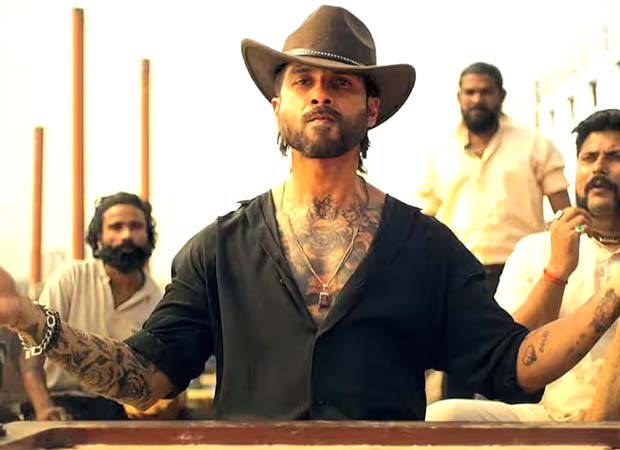
The controversy surrounding O’Romeo has generated widespread media coverage and heightened audience curiosity. Fans of Bollywood and crime dramas are eager to see Shahid Kapoor’s portrayal of a character inspired by Mumbai’s underworld, based on Hussain Zaidi’s book Mafia Queens of Mumbai. However, the legal dispute has cast a shadow over the film’s promotional campaigns, with some questioning whether the film will face delays or alterations before its theatrical release.
The situation underscores a broader issue within Bollywood: balancing storytelling freedom with respect for personal histories. As filmmakers push boundaries to craft compelling narratives, they must also navigate complex legal and ethical considerations.
What’s Next for O’Romeo?
The film’s fate now hangs in the balance as the Mumbai court prepares to hear the case early next month. If the court grants a temporary injunction, the film’s release could be postponed, impacting Bollywood’s release calendar and box office strategies. Conversely, if the court dismisses Sanober Shaikh’s plea, O’Romeo could hit theaters as scheduled, possibly igniting further debates about artistic liberties in Bollywood.
Moreover, this case could influence how future biopics are developed within the industry, prompting producers and directors to seek clearer legal permissions or adopt more cautious approaches when depicting real-life figures.
Conclusion: A Turning Point for Bollywood’s Creative Landscape
The legal dispute over O’Romeo exemplifies the ongoing tension between creative storytelling and individual rights within Bollywood’s vibrant film industry. As the case unfolds, industry insiders, legal experts, and fans alike will be watching closely to see how the court balances these competing interests.
Ultimately, this controversy highlights the importance of respecting personal histories while also recognizing the artistic freedom that makes Bollywood films so captivating worldwide. The outcome will not only determine the fate of O’Romeo but could also shape the future of biographical storytelling in Bollywood for years to come.