
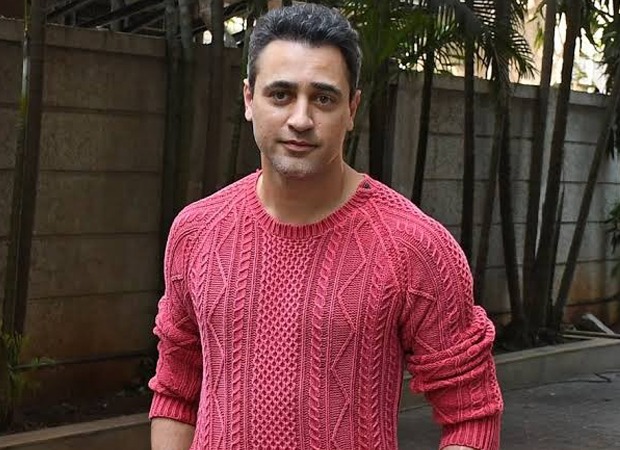
Bombay High Court to Hear Imran Khan’s Challenge to FRRO Exit Directive
The Bombay High Court is set to hear actor Imran Khan’s petition challenging a Foreigners Regional Registration Office (FRRO) directive that asks him to leave India. The hearing is scheduled for October 26, after the court gave authorities time to obtain instructions on the case.
Khan argues that the October 14 directive was issued without giving him a prior opportunity to respond and disregarded protections he says apply to him as an Overseas Citizen of India (OCI) cardholder. His petition seeks to overturn the order and prevent authorities from taking steps to remove him from the country while the dispute is being considered.

Why the Court Set the Matter for October 26
The petition was mentioned on Monday before a division bench comprising Chief Justice Mahesh Chandra Tripathi and Justice Advait Sethna. Senior advocate Venkatesh Dhond, appearing for Khan, told the judges that the actor received the FRRO notice after attempting to attend a protest. According to Dhond, Khan was stopped while on his way and had to return.
Dhond said the Central government had been served with a copy of the petition and requested an early hearing on October 21. The bench instead listed the matter for October 26, allowing the FRRO time to seek instructions and respond to the claims.
The judges also asked Khan’s legal team to add the Maharashtra government as a party to the proceedings. The court said the state’s presence would help it determine whether Khan had any criminal antecedents, describing the matter as a local issue. The request does not amount to a finding about Khan’s conduct; it is a step the bench wants taken before considering the case.
Khan Seeks to Quash the October 14 Notice
In his petition, filed on October 17, Khan challenges the circumstances in which the FRRO issued the directive asking him to leave India. He alleges that the decision was made hastily and without a fair chance for him to explain his position. He also contends that the authorities failed to follow the procedure required before taking action that could affect his ability to remain in the country.
Khan has asked the High Court to quash the October 14 notice and temporarily suspend its operation. He has also sought protection from coercive measures, including deportation, the issuance of a lookout notice, blacklisting, or interference with his OCI status while the petition is pending.
Another part of his request seeks access to internal records connected with the decision. Those documents could help clarify what information officials considered, how the directive was approved and whether the actor was given any opportunity to respond before it was issued.
Protest, Police Action and Political Complaints
The FRRO directive followed Khan’s brief detention by police after he took part in demonstrations against Chief Election Commissioner Gyanesh Kumar. The notice came soon after BJP leader Kirit Somaiya filed a first information report at Mumbai’s Gamdevi police station, alleging public-order violations under the Bharatiya Nyaya Sanhita, 2023.
Khan’s petition points to the timing of the developments and argues that the immigration action followed swiftly after the protest and related public attention. It alleges that social media campaigns by political figures contributed to pressure on the authorities. These are claims made by the actor and remain to be assessed by the court; the hearing will give the relevant authorities an opportunity to provide their account.
The sequence has drawn attention because it brings together questions of protest-related policing, immigration powers and the legal position of OCI cardholders. The High Court’s consideration may help establish what process should apply when an administrative directive could affect a person’s ability to stay in India.
Two Separate FRRO Actions
A key detail in the dispute is that the October 14 directive is not the only action taken by the FRRO. On October 17, the office issued a separate show-cause notice asking Khan to explain why his OCI registration should not be cancelled under Section 7D of the Citizenship Act. Khan has not challenged that second notice in the petition currently before the court.
The distinction matters. The October 14 directive asks him to leave India, while the later notice begins a process concerning whether his OCI registration should be cancelled. They are separate administrative steps, and the legal questions raised by each may differ.
Khan’s petition argues that Section 7D provides specified grounds and procedures for cancelling OCI registration and that those safeguards cannot be bypassed. The October 26 hearing, however, concerns the challenge to the earlier directive. The court has not yet ruled on the merits of Khan’s claims or the validity of either FRRO action.
What the Case Could Mean for OCI Cardholders
OCI status is distinct from Indian citizenship, and it does not provide every right available to citizens. At the same time, decisions affecting an OCI cardholder’s registration or ability to remain in India can have significant consequences. Khan’s case therefore raises a broader question: what procedural protections should apply before authorities issue a directive with potentially serious immigration effects?
The court’s eventual review may focus on the legal basis for the October 14 notice, the process followed by officials and whether the actor was entitled to a hearing before the directive was issued. It may also consider the relevance of the surrounding events, including the protest, police action and complaint filed at Gamdevi police station.
For now, the matter remains before the Bombay High Court, and no final decision has been made. The October 26 hearing is expected to provide an opportunity for the authorities to respond to Khan’s petition. The case is being closely followed in Bollywood and beyond, not only because it involves a well-known actor, but because it touches on the balance between administrative authority and procedural fairness.