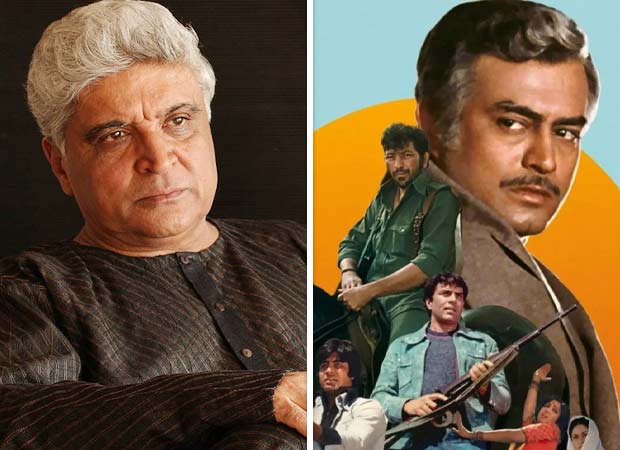
Re-release of Bollywood Classic Sholay Sparks Controversy Over Altered Dialogue in New Version
The legendary Bollywood film Sholay, widely regarded as one of the greatest and most influential movies in Indian cinema history, is set to make a grand return to theatres on December 12. Titled Sholay – The Final Cut, this re-release promises to revive the film’s original ending—a version that has never been publicly screened in theaters during the past five decades. Fans and critics alike are eagerly awaiting this nostalgic journey back to the neo-classic that defined a generation of Bollywood storytelling.
What’s New in Sholay – The Final Cut?
While the re-release is being hailed as a nostalgic tribute, it has also ignited controversy due to a surprising and contentious alteration: a famous dialogue has been replaced in the new version. The change involves one of the film’s most iconic lines, a moment deeply embedded in Bollywood history and etched into the collective memory of fans worldwide.

Originally, in the classic 1975 film, actress Hema Malini’s character, Basanti, remarks to Veeru (Dharmendra), “Bade nishaanchi lagte ho” (“You seem quite a sharpshooter”). Responding to her, the character Jai, played by Amitabh Bachchan, humorously quips, “Haan, James Bond ke pote hain yeh” (“Yes, these are Bond’s nephews”). This line not only added a dash of wit but also underscored Jai’s confident persona, blending Bollywood’s penchant for memorable dialogue with global pop culture references.
The Controversial Change: From James Bond to Tatya Tope
In the newly released trailer for Sholay – The Final Cut, however, this iconic exchange has been altered. Instead of Jai’s original line referencing James Bond, the dialogue now reads: “Haan, Tatya Tope ke pote hain yeh” (“Yes, these are Tatya Tope’s nephews”).
This seemingly minor change has sparked widespread shock and outrage among fans, film historians, and industry insiders. The replacement shifts from a modern, globally recognized spy icon to a revered figure from Indian history—a move that many argue dilutes the film’s original charm and cultural resonance.
Reactions from the Creators and Industry Experts
One of the most vocal critics of this modification is Javed Akhtar, the renowned poet, lyricist, and co-writer of the original Sholay dialogues. When informed about the change, Javed Akhtar expressed his dismay and questioned the decision. “I was not aware of this,” he stated. “You mean to say they have replaced James Bond with Tatya Tope? What does this mean for the integrity of the film?”
He further expressed concern that this might just be the tip of the iceberg. “This is just one dialogue. They might have altered other iconic lines too. The audience won’t accept such tampering. These dialogues have become part of Indian pop culture, with fans quoting them even today.
”
Adding to the controversy, Javed Akhtar questioned the authority behind the change: “Who authorized this? Did they consult Ramesh Sippy, the film’s director, or the original writers? No one from the original team has been approached, and that’s unacceptable.”
The Original Creators’ Perspective and the Significance of the Original Dialogues
Ramesh Sippy, the visionary director of Sholay, has not publicly commented on the recent alterations. However, industry insiders reveal that no discussions or approvals have taken place with him or with Salim Khan, the legendary co-writer of the film’s dialogues. This lack of communication raises questions about the transparency behind the re-editing process.
It’s worth noting that the dialogues of Sholay are considered timeless. The film’s dialogues are so popular that they led to the release of a dedicated album of dialogues by Polydor (now Universal Music), which outsold even the film’s music album. These lines have become cultural touchstones, quoted at gatherings, in memes, and across social media platforms. Altering such iconic lines risks eroding the legacy of one of Bollywood’s most cherished classics.
Historical Context and the Cultural Significance of the Original Dialogue
The original line referencing James Bond was more than just a humorous retort; it was a reflection of Bollywood’s ability to incorporate global pop culture into its narratives seamlessly. By comparing Veeru’s character to the legendary British spy, the film connected Indian cinema to international icons, making the dialogue instantly relatable and memorable for audiences of all ages.
The replacement with Tatya Tope, a revered figure in India’s fight for independence, shifts the tone from contemporary pop culture to a historical nationalist reference. While Tatya Tope’s heroism is significant in Indian history, using his name in this light may not resonate with the same humorous or global appeal as the original line did.
Implications for Bollywood and Classic Film Re-releases
This controversy highlights a broader debate within Bollywood and the Indian film industry at large: How should classic films be preserved and presented to modern audiences? The re-release of Sholay aims to celebrate its legacy, but alterations to iconic dialogues threaten to undermine the authenticity and cultural importance of such timeless works.
Filmmakers, critics, and fans emphasize the importance of respecting original content, especially when it has achieved legendary status. Any modifications should be carefully considered, with clear communication and consent from the original creators. The incident also raises questions about the ethics of editing classic films for commercial reasons—should nostalgia be tampered with, or preserved in its original form?
Public Sentiment and Future Outlook
As news of the dialogue replacement spreads, social media is abuzz with opinions—many expressing disappointment and concern over the potential erasure of Bollywood’s cinematic heritage. Fans argue that Sholay is more than just a film; it’s an integral part of India’s cultural fabric, and its dialogues are etched in the national consciousness.
The makers of Sholay – The Final Cut have yet to issue an official statement addressing the controversy. However, industry insiders suggest that the backlash might prompt a reconsideration of the changes or at least a transparent explanation of the reasons behind them.
Conclusion: A Call to Preserve Bollywood’s Cultural Legacy
The re-release of Sholay is an eagerly anticipated event that offers an opportunity for new generations to experience a cinematic masterpiece. However, the controversy surrounding the altered dialogue underscores the importance of preserving the integrity of classic Bollywood films. These works are not merely entertainment; they are cultural treasures that reflect the spirit, history, and humor of Indian society.
As Bollywood continues to evolve and embrace modernity, it is crucial to balance innovation with respect for its rich heritage. The case of Sholay reminds industry stakeholders that authenticity and legacy should never be compromised in the pursuit of commercial gains. Fans, critics, and creators alike hope that future re-releases will honor the original vision, ensuring that Bollywood’s timeless classics remain unblemished for generations to come.