Legal Clash in Bollywood: Phantom Studios Files Rs 250 Crore Lawsuit Over ‘Queen 2’
The vibrant world of Bollywood is no stranger to legal disputes, and the latest controversy involves a high-stakes lawsuit threatening to shake the production of the much-anticipated film ‘Queen 2’. Phantom Studios, the former powerhouse behind the critically acclaimed original ‘Queen’, has filed a hefty Rs 250 crore lawsuit against JioStar, claiming copyright infringement over the upcoming sequel. This legal battle not only underscores the importance of intellectual property rights in Indian cinema but also raises questions about creative originality and the boundaries of film titles in Bollywood.

Background of the Original ‘Queen’ and Its Cultural Impact
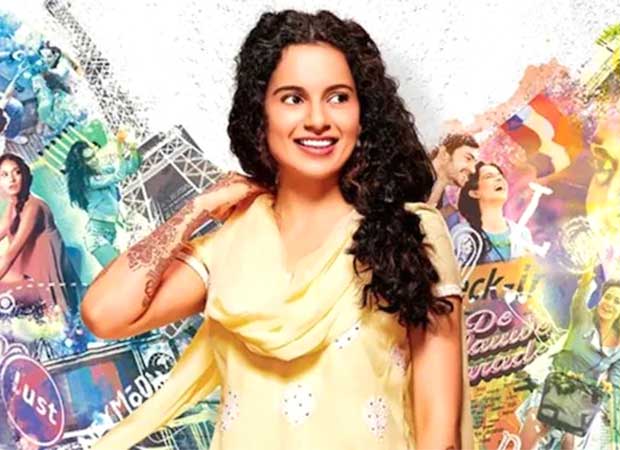
Released in 2014, ‘Queen’ quickly became a landmark film in Bollywood, showcasing Kangana Ranaut’s extraordinary talent and earning widespread critical acclaim. The film’s relatable storyline about self-discovery and empowerment resonated deeply with audiences, making it a commercial and artistic success. It went on to win two National Film Awards, including Best Actress for Kangana Ranaut, cementing its place in Bollywood history.
Produced by Viacom18 Motion Pictures in collaboration with Phantom Films—a studio renowned for backing bold, innovative projects—the original film’s success inspired numerous adaptations, remakes, and sequels. However, the core rights to the original film, particularly its intellectual property, have remained a point of contention, especially following Phantom Films’ dissolution in 2018 and subsequent revival as Phantom Studios in 2021.
The Controversy: Phantom Studios vs. JioStar
The recent legal confrontation emerged when Phantom Studios approached the Bombay High Court, alleging that JioStar’s upcoming project, ‘Queen 2’, infringes upon their intellectual property rights. According to Phantom Studios, they hold a 50% stake in the original ‘Queen’ film’s rights and assert that no permission was granted for a sequel or derivative work, thus violating their ownership claims.
The studio’s accusations center around the use of the title ‘Queen’ in the sequel, along with potential narrative similarities. Phantom Studios contends that JioStar’s project is a derivative work, infringing upon their rights and undermining the original film’s creative integrity. Such claims have ignited debates about the boundaries of copyright law in Bollywood, especially regarding film titles and thematic elements.
JioStar’s Response: Denial and Clarification
In response, JioStar, the production company behind ‘Queen 2’, issued a detailed statement, vehemently denying the allegations. They clarified that their collaboration with Kangana Ranaut is centered around a completely original story, independent of the original ‘Queen’ film. StarStudio18, the production banner working on the project, emphasized that ‘Queen 2’ is neither a sequel nor a prequel. Instead, it is an entirely new narrative designed to stand on its own, with no characters, plotlines, or thematic connections to the 2014 hit.
Furthermore, JioStar addressed concerns about the use of the word ‘Queen’ in the title, asserting that it is a common English noun and cannot be subject to exclusive ownership. They argued that such claims are legally baseless, reinforcing their confidence in defending their rights through the appropriate judicial channels.
Legal and Intellectual Property Implications in Bollywood
This case highlights broader issues surrounding intellectual property rights in Bollywood, an industry increasingly driven by intellectual property assets. Titles, storylines, and character rights are fiercely protected, especially as studios navigate the complex landscape of remakes, sequels, and franchise-building. The legal dispute underscores the necessity for clarity in copyright law, particularly concerning common nouns and generic titles used in film branding.
Bollywood has historically seen debates over copyright infringement, with some studios accused of copying story elements or titles, while others defend their creative independence. The outcome of this case could set a precedent for how titles like ‘Queen’ are protected (or not) under Indian copyright law, impacting future filmmaking projects and intellectual property management.
The Revival of Phantom Studios and Its Significance
Phantom Studios’ revival in 2021 marked a new chapter for the studio, known for backing some of Bollywood’s most innovative and critically acclaimed films. Despite its dissolution in 2018, the studio’s re-emergence has rekindled discussions about creative rights and ownership in Indian cinema. Their involvement in the ‘Queen’ franchise dispute further emphasizes the importance of safeguarding original content and the legal complexities involved in reviving production houses after periods of hiatus.
Kangana Ranaut’s Role and the Future of ‘Queen 2’
The sequel, ‘Queen 2’, is a highly anticipated project, especially as it reunites Kangana Ranaut with director Vikas Bahl, who helmed the original. The film reportedly commenced shooting earlier this year and has now entered the post-production phase. Fans and industry insiders are eager to see how the new installment will expand on the original’s themes of self-empowerment and resilience, set against the backdrop of Bollywood’s glitz and glamour.
Despite the ongoing legal challenges, the film’s release is expected to proceed, with JioStar preparing to defend its creative rights vigorously. The outcome of the lawsuit could influence not only the future of ‘Queen 2’ but also broader industry practices regarding intellectual property in Bollywood.
Industry Reactions and Expert Insights
Legal experts suggest that the case could hinge on the interpretation of copyright laws related to titles and derivative works. Some argue that common nouns like ‘Queen’ are difficult to claim exclusivity over, whereas others warn about the potential for misuse of copyright claims to stifle creative expression.
Bollywood analysts believe that this dispute reflects the larger trend of increasing legal scrutiny over creative rights, especially as Indian cinema continues to grow on the global stage. The industry’s response to such cases will shape the future landscape of film production, rights management, and intellectual property protection in Bollywood.
Conclusion: A Landmark Case for Bollywood’s Creative Future
The legal battle between Phantom Studios and JioStar over ‘Queen 2’ is more than a courtroom skirmish; it’s a reflection of Bollywood’s evolving relationship with intellectual property rights. As the industry continues to produce innovative stories and expand its global footprint, safeguarding creative assets becomes paramount.
While the outcome remains to be seen, this case underscores the importance of clear legal frameworks and ethical creative practices in Bollywood. Fans and filmmakers alike will be watching closely, eager to see how the courts interpret copyright protections for titles and derivative works within the vibrant tapestry of Indian cinema.
In the end, Bollywood’s future hinges on striking a balance between protecting original content and fostering creative freedom—an ongoing challenge that will undoubtedly shape the industry for years to come.