Controversy Escalates in Bollywood Over Kala Hiran: Legal Battles and Celebrity Allegations Shake the Industry
The ongoing controversy surrounding the upcoming Bollywood film Kala Hiran has taken a dramatic turn, sparking legal confrontations and intense public debates. At the heart of this dispute are accusations of misrepresentation, celebrity disassociation, and potential legal violations involving prominent figures in the industry. This high-profile clash underscores the complex interplay between cinematic storytelling, legal rights, and personal reputation in Bollywood, the vibrant heart of Indian cinema.
Producer Amit Jani Files Legal Notice to Govind Namdev Amidst Dispute
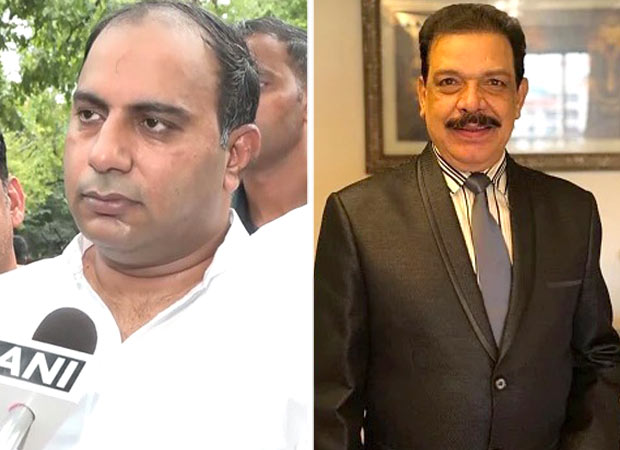
The controversy intensified when producer Amit Jani publicly announced that he had served a legal notice to veteran Bollywood actor Govind Namdev. The legal action stems from Namdev’s recent statements distancing himself from the film and claiming he had been misled about its content. Jani’s move signals a serious escalation, indicating the producer’s intent to protect his project’s reputation and commercial interests.

In a statement shared via social media platform X (formerly Twitter), Jani demanded that Namdev issue a formal public apology within seven days and pay a hefty compensation of Rs 50 lakh to the production house. Failure to comply, Jani warned, would lead to further legal proceedings. This aggressive stance highlights the stakes involved, not only for the film’s reputation but also for the legal rights associated with celebrity endorsements and portrayals in Indian cinema.
Govind Namdev’s Allegations and His Version of Events
In an exclusive interview with Amar Ujala, Govind Namdev revealed his perspective on the controversy. He stated that he initially agreed to be part of a project initially titled Sambhal, which he understood to focus solely on courtroom proceedings related to Salman Khan’s notorious blackbuck poaching case. According to Namdev, he was led to believe that the film would be a legal drama centered around that specific incident, without any sensational or defamatory content targeting the Bollywood superstar.
However, Namdev expressed shock upon viewing the teaser of Kala Hiran, claiming that the final product diverged sharply from the original understanding. He alleged that the film’s portrayal was not only different but also appeared to depict Salman Khan in a negative light, which he felt was misleading and potentially damaging to his personal and professional reputation. The actor further clarified that he would never knowingly participate in a project that seeks to malign or target his friends in Bollywood, especially Salman Khan, who has been a long-standing colleague and friend.
Legal and Ethical Concerns in Bollywood’s Portrayal of Real Events
The dispute raises broader questions about the ethical responsibilities of filmmakers when basing stories on real-life events, especially in a country as legally and culturally sensitive as India. Bollywood, known for its elaborate storytelling and larger-than-life characters, often blurs the lines between fiction and reality. However, when films touch on ongoing legal cases or involve high-profile personalities, the potential for defamation, misrepresentation, and legal action increases significantly.
In the case of Kala Hiran, allegations suggest that the film bears striking similarities to the 1998 blackbuck poaching incident involving Salman Khan, a case that has been a subject of legal proceedings and media scrutiny for decades. The film’s promotional materials reportedly feature images and characters that resemble Khan, including posters depicting a figure holding a firearm—an image that echoes the controversial case.
Legal Actions and Court Orders: Salman Khan’s Intervention
Adding a layer of complexity, Bollywood superstar Salman Khan has approached the Delhi High Court seeking an immediate stay on the film’s promotion, release, and distribution. Khan’s legal team argues that Kala Hiran unlawfully uses his personality and publicity rights for commercial purposes without permission. They contend that the promotional content is misleading and defamatory, potentially influencing public perception during an ongoing legal process.
The legal team has pointed out that any cinematic portrayal related to a case still under judicial consideration should be approached with caution, emphasizing that such representations could prejudice public opinion and interfere with the legal proceedings. The Delhi High Court has responded by issuing a formal notice to the filmmakers, requesting their response and stressing the importance of respecting legal rights and ethical boundaries in the depiction of real-life events in Bollywood movies.
Impact on Bollywood and Future Filmmaking
The Kala Hiran controversy exemplifies the delicate balance filmmakers must maintain when creating content based on real events or public figures. It also reflects the increasing influence of legal considerations in Bollywood, as celebrities and legal entities become more vigilant about protecting their rights and reputations in an era of instant communication and social media scrutiny.
This case could set a precedent for future films that draw inspiration from real-life incidents involving celebrities, prompting filmmakers to adopt more transparent, ethical, and legally compliant practices. It also underscores the importance of clear communication and contracts with actors and stakeholders, especially when their images or personal stories are involved.
The Broader Context: Bollywood’s Ongoing Battle with Content Censorship and Legal Challenges
Bollywood has historically been at the crossroads of artistic expression and legal boundaries. Controversies like the one surrounding Kala Hiran highlight the industry’s ongoing struggle to balance creative freedom with the legal rights of individuals and the need for responsible storytelling. Recent years have seen a surge in legal actions against films accused of defamation, misrepresentation, or infringing on personal rights, reflecting a more vigilant approach by celebrities and legal authorities alike.
Moreover, the rise of social media has amplified the impact of such controversies, turning disputes into public spectacles that influence audience perceptions even before a film’s release. The Bollywood industry is now more than ever aware of the importance of managing reputation, legal compliance, and audience expectations in an increasingly scrutinized entertainment landscape.
Conclusion: What Lies Ahead for Kala Hiran and Bollywood?
The legal battle over Kala Hiran is far from over, with the film’s fate hanging in the balance as authorities and legal entities examine the claims of all parties involved. The case underscores the importance of ethical filmmaking, respect for legal boundaries, and transparent communication within Bollywood. As the industry continues to evolve, the Bollywood community must navigate these challenges carefully to preserve artistic integrity while respecting individual rights.
For audiences and industry watchers, the Kala Hiran controversy serves as a reminder of the complex interplay between cinema, law, and celebrity culture—a dynamic that shapes Bollywood’s identity and its future trajectory. As the legal proceedings unfold, all eyes will be on how filmmakers, actors, and legal authorities balance creative expression with accountability in one of the world’s most vibrant film industries.