Bollywood Actress and BJP MP Kangana Ranaut Faces Backlash Over Controversial Remarks on Gen Z Protesters
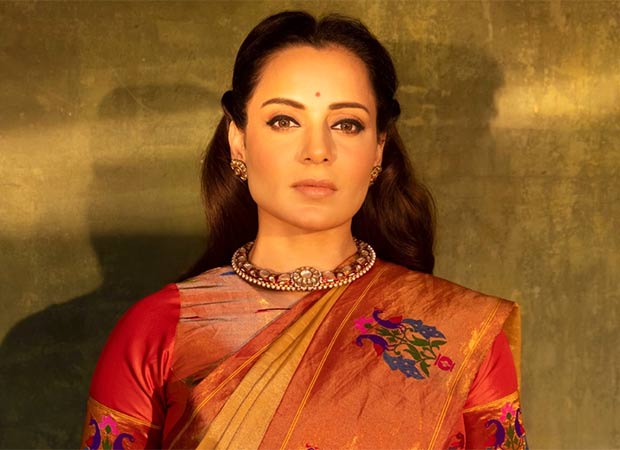
In a recent wave of social media commentary that has ignited widespread debate, renowned Bollywood actress and Member of Parliament Kangana Ranaut has once again found herself at the center of controversy. Her comments on the youthful protesters from Generation Z—who recently staged demonstrations at Delhi’s iconic Jantar Mantar and in various other cities—have sparked intense reactions from both supporters and critics alike. Known for her outspoken nature, Kangana’s critique of the protesters’ behavior, language, and even their upbringing has added a new chapter to her history of provocative statements.
Kangana Ranaut’s Strong Critique of Gen Z Protest Culture
Taking to her social media platforms, Kangana Ranaut expressed her disgust and disappointment upon viewing videos and social media posts capturing the protests. She described the content as “puke-inducing” and questioned the moral fabric of the young protesters. Her remarks targeted the language and conduct displayed in these videos, which she characterized as “crass,” “jarring,” and “ugly,” asserting that such behavior is unprecedented in her experience.

“Never in my life have I seen so much ugliness packed into one place,” Kangana wrote, emphasizing her shock at the level of vulgarity she perceived. She went further to question the upbringing of the protesters, rhetorically asking, “Ewww, who is birthing and raising them?” Her words reflect a deep concern over what she perceives as a decline in cultural values among India’s youth, particularly those active in recent protests.
Labeling and Degrading Protesters: A Controversial Stance
Adding fuel to the fire, Kangana Ranaut drew attention to the protesters’ own self-description as “cockroaches,” which they used metaphorically to criticize the government or societal issues. Kangana’s response was sharply critical: “India is a land of diverse, beautiful people, rooted in elegance and cultural richness. To call yourself cockroaches and then behave like them—spreading filth and ugliness—is a stark contradiction.”
She further asserted that such behavior tarnishes the image of India’s cultural heritage, which is renowned worldwide for its grace, tradition, and sophistication. Her words suggest her belief that these protests have deviated from respectful discourse, instead descending into chaos and vulgarity, which she claims scars her psychologically—prompting her to declare a need for a “digital detox.”
Targeting Women Protesters and Westernization
Kangana Ranaut’s critique extended beyond general comments about the protests to specifically address women participants. She referred to them dismissively as “so-called westernized Indian women,” accusing them of flaunting their freedoms irresponsibly. According to her, these women are proud of indulging in drugs, alcohol, and living off their parents’ earnings, which she views as a sign of moral decline.
She coined a provocative term—“Generation Gutter”—to describe what she perceives as a corrupt and unproductive segment of youth that offers little to the nation. Kangana further claimed that many of these young women lack academic or domestic skills and are too “ugly and corrupt” to contribute meaningfully as homemakers or in societal roles. Her comments highlight a deep cultural divide, reflecting her conservative worldview and traditionalist stance on Indian values.
Kangana Ranaut’s History of Criticism on Student Movements
This isn’t the first time Kangana has voiced her opinions about student protests and movements. In past social media posts, she questioned the methods employed by protesters and criticized what she perceives as attempts to pressure the government through street demonstrations. Her stance consistently emphasizes the importance of maintaining order and respecting cultural norms, often contrasting her views with what she considers the unruly behavior of modern youth.
Her vocal criticism resonates with a segment of the population that views protests as disruptive and unpatriotic, especially when associated with Western ideals of activism. Kangana’s outspoken nature and her alignment with the Bharatiya Janata Party (BJP) further amplify her influence in shaping public opinion on these issues, particularly within the context of Bollywood’s evolving relationship with political ideologies.
Impact on Bollywood and the Cultural Discourse
As one of Bollywood’s most prominent and controversial figures, Kangana Ranaut’s comments are not just confined to social media—they also influence the broader cultural narrative surrounding youth, patriotism, and modern values in India. Bollywood, as the entertainment capital of the country, often reflects societal shifts, and Kangana’s outspoken stance adds a layer of complexity to the ongoing dialogue about generational change and cultural identity.
Her remarks have sparked debates about the role of youth protests in shaping democratic discourse, as well as the importance of respecting cultural traditions amid modern challenges. While her critics accuse her of elitism and moral superiority, her supporters see her as a voice of conservative values and national pride.
Broader Context: Youth Protests in India and Their Significance
The protests at Jantar Mantar and across India are part of a larger wave of student activism that has gained momentum in recent years. Issues such as economic disparity, educational reforms, social justice, and political transparency have driven young people to take to the streets. These demonstrations symbolize a desire for change and a challenge to established authority, embodying the spirit of democratic participation.
However, the methods and tone of these protests have often been subject to debate. Some perceive them as a healthy expression of democratic rights, while others, like Kangana Ranaut, view them as disruptive and lacking respect for cultural norms. The divergence in perspectives underscores the ongoing cultural clash between traditional values and modern liberal ideas in India’s rapidly evolving society.
Conclusion: A Reflection of India’s Cultural Tensions
Kangana Ranaut’s recent comments on Bollywood’s evolving landscape and the youth protests encapsulate a broader cultural tension within India—between tradition and modernity, conservatism and liberalism, order and change. Her outspoken stance has reignited conversations about the direction of Indian society, the role of Bollywood as a cultural mirror, and the importance of respecting diverse viewpoints.
As Bollywood continues to grow as a global entertainment hub, figures like Kangana Ranaut exemplify the complex interplay between entertainment, politics, and cultural identity. Whether one agrees or disagrees with her, her voice undeniably contributes to the ongoing dialogue about India’s future—its values, its youth, and its place on the world stage.