Kangana Ranaut Criticizes Kriti Sanon’s Styling in Raksha Bandhan Advertisement: A Deep Dive into Bollywood’s Fashion Debates
In the vibrant world of Bollywood, where fashion and tradition often intertwine, recent comments from actress Kangana Ranaut have sparked widespread discussion. The actress took to her Instagram Stories to voice her opinions on Kriti Sanon’s recent appearance in a Raksha Bandhan campaign, questioning the appropriateness and styling choices of the actress’s outfit. This critique has ignited a broader conversation about modern fashion, cultural sensitivities, and the evolving portrayal of women in Bollywood advertisements.
Kangana Ranaut’s Bold Remarks on Kriti Sanon’s Raksha Bandhan Campaign
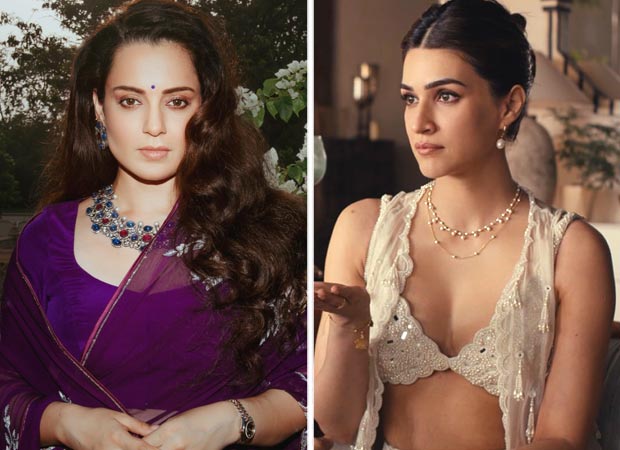
While celebrating the festival of Raksha Bandhan—a time traditionally associated with familial love, bonding, and cultural rituals—Kangana Ranaut expressed her discomfort with Kriti Sanon’s appearance in a promotional ad for GIVA, a jewelry and accessories brand. The campaign, titled Furever Sibling, aimed to present a contemporary, pet-friendly twist on the festive occasion. Kriti was shown tying a Rakhi to her brother and her pet dog, blending tradition with an unconventional style that caught the attention of many.

However, Kangana’s reaction was far from celebratory. She described the advertisement as “intentionally creepy” and questioned why Kriti Sanon was depicted in an outfit she characterized as a bikini or undergarments. Her critique was not merely about fashion but also about the cultural messaging that such styling choices might promote during a traditional festival.
The Fashion Choices and Their Cultural Context
In her social media statement, Kangana highlighted the vast array of clothing options available to women today—from traditional sarees and lehenga cholis to modern jeans and cocktail dresses. She emphasized that women have the freedom to choose their attire based on personal preference and occasion, yet questioned why the styling in the ad seemed to lean toward a provocative look for a festival that celebrates familial bonds and cultural values.
“It is a wonderful time to be a woman, our closets are full of variety of clothes,” Kangana wrote. “So, where are all your styling options? Why would you tie your brother a Rakhi in your bikini/undergarments?” Her comments reflect a broader debate on the portrayal of women in Bollywood and promotional campaigns—whether they reinforce empowerment or perpetuate stereotypes and sensationalism.
Kriti Sanon’s Outfit and Public Reactions
Kriti Sanon’s attire in the campaign featured an off-white, bralette-style blouse paired with a cape and a draped skirt—a blend of contemporary fashion with traditional elements. The look was designed to appeal to a modern, youthful audience, highlighting both style and comfort. Yet, the choice of styling became a point of contention among social media users.
Many viewers questioned the appropriateness of the look for a Raksha Bandhan-themed advertisement. Some critics referred to the blouse as a “bra” or “bikini,” suggesting that the outfit might be more suited for a beach or party scene rather than a cultural festival. This sparked a debate on whether Bollywood’s portrayal of women’s fashion is evolving towards empowerment or veering into sensationalism for attention.
The Broader Conversation About Bollywood and Fashion
This incident is emblematic of a larger trend within Bollywood, where fashion choices in advertisements and films often become flashpoints for cultural discussions. As Bollywood continues to push boundaries and experiment with new styles, questions arise about maintaining cultural sensitivity while embracing modernity.
Notably, the discussion also touches upon how Bollywood celebrities and brands balance traditional values with contemporary fashion. Critics argue that while modernization is essential, it should not come at the expense of cultural respect and the festival’s core significance. The controversy around Kriti Sanon’s outfit underscores the ongoing debate about the portrayal of women’s fashion in Bollywood—whether it promotes empowerment or risks objectification.
Kriti Sanon’s Silence and Future Implications
As of now, Kriti Sanon has not publicly responded to Kangana Ranaut’s comments. Her silence leaves the conversation open, but it also highlights the challenges faced by celebrities caught in the crossfire of social media debates. Bollywood’s influence on fashion trends and cultural perceptions remains significant, and stars often find themselves scrutinized for their stylistic choices.
This incident may prompt brands and celebrities to reconsider how they craft their campaigns, especially during culturally significant festivals like Raksha Bandhan. The goal is to strike a balance—celebrating modern fashion while respecting cultural traditions.
Looking Ahead: The Future of Bollywood Fashion and Cultural Representation
As Bollywood continues to evolve, the industry faces the critical task of redefining its relationship with tradition and modernity. Fashion in Bollywood advertisements is increasingly becoming a reflection of societal shifts, with a focus on female empowerment, diversity, and cultural sensitivity. However, the line between innovative expression and cultural insensitivity remains a fine one.
In the wake of this debate, industry insiders and audiences alike are urging a more thoughtful approach to styling that honors tradition while embracing contemporary trends. This includes encouraging designers, brands, and celebrities to consider the cultural context and the festival’s significance when creating promotional content.
Final Thoughts: The Impact on Bollywood and Cultural Discourse
The controversy surrounding Kriti Sanon’s Raksha Bandhan campaign and Kangana Ranaut’s outspoken comments exemplify the ongoing dialogue about Bollywood’s role in shaping cultural narratives. While fashion is a powerful tool for expression, it also bears the responsibility of respecting cultural values and promoting positive representation.
As Bollywood continues to captivate audiences both domestically and internationally, its fashion choices will undoubtedly remain a topic of discussion. The key lies in fostering a space where creativity, tradition, and cultural sensitivity coexist—ensuring that the industry evolves responsibly and inclusively.
In conclusion, the debate ignited by Kangana Ranaut’s critique serves as a reminder of the power of fashion in Bollywood—not just as a style statement but as a reflection of societal values and cultural identity. Moving forward, the industry has the opportunity to set new standards for respectful and empowering portrayals, ensuring that Bollywood remains a positive force in shaping cultural narratives around festivals like Raksha Bandhan.