Kangana Ranaut’s Queen 2 Faces Legal Challenges Amidst Bollywood’s Evolving Landscape
In a surprising turn of events, the highly anticipated sequel to the acclaimed Bollywood film Queen, titled Queen 2, has become embroiled in a complex legal dispute just after completing its filming schedule. The controversy not only highlights the ongoing issues surrounding intellectual property rights within the Bollywood industry but also underscores the importance of clear legal frameworks in the production of sequels and derivative works.

Background: The Success and Legacy of the Original Queen
Released in 2014, Queen marked a significant milestone in Bollywood cinema, both critically and commercially. Directed by Vikas Bahl, the film starred Kangana Ranaut in a career-defining role that earned her the National Film Award for Best Actress. The film’s narrative, centered around a young woman’s journey of self-discovery and independence during her pre-wedding trip abroad, struck a chord with audiences and critics alike. Its authentic storytelling, relatable characters, and empowering themes contributed to its status as one of the most celebrated Hindi films of the decade.
The original film was produced collaboratively by Viacom18 Motion Pictures and Phantom Films, a prominent production house founded by renowned filmmakers Anurag Kashyap, Vikramaditya Motwane, Madhu Mantena, and Vikas Bahl himself. The success of Queen not only elevated the careers of those involved but also reinforced Bollywood’s capacity to tell nuanced, socially relevant stories that resonate on a global scale.
The Rise of Phantom Studios and the Controversy
Following the dissolution of Phantom Films in 2018, the company was revived in 2021 under the name Phantom Studios. Despite the change in nomenclature, the studio continues to assert ownership over a significant portion of the intellectual property rights associated with Queen.
According to recent reports, Phantom Studios has filed a Rs 250 crore lawsuit against JioStar, the production company involved in creating Queen 2. The lawsuit was lodged in the Bombay High Court, alleging that the sequel constitutes an unauthorized derivative work that infringes upon their legal rights. The core of the dispute centers on claims that Phantom Studios owns a 50% stake in the intellectual property rights of Queen, including rights to develop sequels or other derivative projects based on the original film.
The Legal Dispute: Key Allegations and Claims
Phantom Studios contends that they did not grant permission for the development of Queen 2. Despite the film’s recent completion and its upcoming release, the studio claims it was never consulted or authorized to produce this sequel. The production house has pointed out that they issued multiple notices and communications to the filmmakers, including JioStar and director Vikas Bahl, warning them about potential infringement.
In their legal filings, Phantom Studios asserts that they took proactive steps to resolve the matter amicably before resorting to litigation. However, insiders suggest that negotiations did not lead to an agreement, prompting the studio to proceed with legal action after confirming that filming had been completed. Notably, the studio had issued a public notice in April, explicitly stating that they had not authorized any adaptation, sequel, or derivative work based on Queen.
Implications for Bollywood and Intellectual Property Rights
This legal case underscores a broader challenge faced by Bollywood filmmakers today: safeguarding intellectual property rights amidst an industry that is increasingly focused on franchising, sequels, and derivative projects. While the original Queen enjoyed critical acclaim and commercial success, the rights management surrounding its intellectual property appears to be complex, especially given the changes in ownership and legal jurisdiction.
As Bollywood continues to expand its global footprint, protecting creative rights becomes more vital than ever. The case of Queen 2 highlights the importance of clear contractual agreements and transparent licensing processes when developing sequels or spin-offs. It also raises questions about how legacy films are preserved and monetized, especially when original rights holders believe their stakes are being overlooked or infringed upon.
The Future of Queen 2 and Bollywood’s Legal Landscape
Neither JioStar nor the creators of Queen 2 have publicly responded to the lawsuit at this stage. The outcome of this legal battle could set a precedent for future franchise development within Bollywood, emphasizing the need for rigorous legal due diligence and rights management.
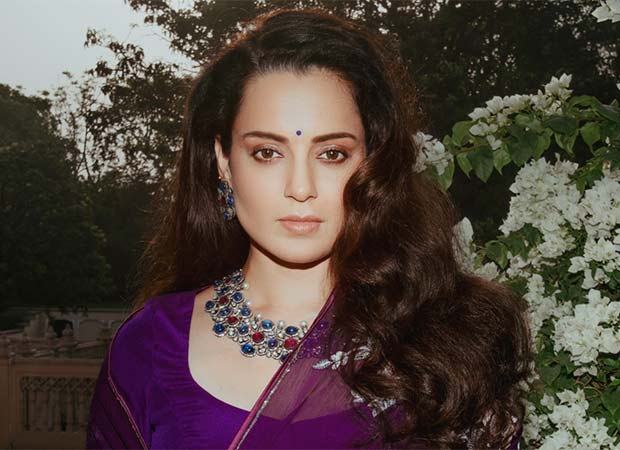
Meanwhile, Kangana Ranaut, who delivered a memorable performance in the original Queen, is expected to reprise her role in the sequel. Her return has generated significant excitement among fans and industry insiders alike, eager to see how her character’s journey unfolds in this new chapter.
Bollywood, renowned for its vibrant storytelling and star power, is increasingly navigating a complex legal environment that balances creative freedom with intellectual property protection. The Queen 2 controversy serves as a reminder that even successful films are not immune from legal scrutiny, especially as the industry evolves towards more franchise-driven content.
Additional Insights: The Broader Context of Bollywood’s Intellectual Property Rights
In recent years, Bollywood has witnessed a surge in legal disputes over intellectual property, with cases involving remakes, sequels, and adaptations becoming more prevalent. High-profile examples include disputes over rights to iconic films and controversies surrounding unauthorized remakes that often stir public debate about originality and copyright protection.
Legal experts emphasize that filmmakers and production companies must prioritize clear licensing agreements and rights clearances before embarking on sequels or derivative works. This not only protects intellectual property but also ensures that creators and rights holders receive appropriate recognition and compensation.
Furthermore, the government and industry bodies are increasingly advocating for stronger enforcement of copyright laws and the establishment of standardized protocols to prevent such disputes. As Bollywood continues to grow as a global entertainment powerhouse, safeguarding creative rights remains a crucial aspect of sustainable industry development.
Conclusion: A Defining Moment for Bollywood’s Creative and Legal Future
The legal dispute surrounding Queen 2 exemplifies the complex intersection of creativity, rights management, and industry ethics within Bollywood. As the sequel’s release approaches, the case will undoubtedly attract attention from filmmakers, legal professionals, and fans alike, eager to see how the courts interpret intellectual property rights in the context of popular cinema.
For Kangana Ranaut and her team, the outcome may influence future projects and reinforce the importance of securing rights at every stage of production. Meanwhile, industry stakeholders are reminded that innovation must go hand in hand with legal diligence to foster a vibrant, respectful, and legally sound Bollywood ecosystem.
As Bollywood continues to evolve, embracing both creative storytelling and robust legal frameworks will be essential to sustain its global reputation and ensure that iconic stories like Queen and its successors are protected and celebrated for generations to come.