Legal Battle Erupts in Bollywood Over Queen 2 Sequel: Kangana Ranaut’s Next Film in Courtrooms
In a surprising turn of events that has sent shockwaves through the Bollywood industry, Kangana Ranaut’s highly anticipated upcoming film Queen 2 has become embroiled in a complex legal dispute shortly after the completion of its production. The controversy revolves around allegations of intellectual property rights infringement, raising critical questions about rights ownership, film sequels, and the legal boundaries within Bollywood’s vibrant filmmaking landscape.
Background: The Original Queen – A Landmark Film in Bollywood
To understand the gravity of the current dispute, it’s essential to revisit the success of the 2014 film Queen. Directed by Vikas Bahl and starring Kangana Ranaut in a career-defining role, the film was celebrated for its empowering narrative, stellar performances, and nuanced storytelling. Queen not only achieved critical acclaim but also garnered numerous awards, including two National Film Awards, with Kangana Ranaut winning Best Actress for her compelling portrayal of Rani. The film’s impact on Bollywood was significant, showcasing a different, more realistic side of women’s stories and redefining the genre of female-led films in Hindi cinema.

The Sequel That Sparked Controversy: Queen 2
Fast forward to recent months, reports reveal that Kangana Ranaut was set to reunite with director Vikas Bahl once again for Queen 2. The sequel was reportedly in the final stages of post-production, with filming wrapped up and anticipation building among fans and industry insiders alike. The project was slated for release, promising to expand on the original’s narrative and explore new dimensions of the beloved characters.
However, just as the film was preparing for its debut, a major legal dispute emerged, threatening to derail the entire project. According to sources, Phantom Studios, the production house that played a significant role in the original Queen’s success, has filed a Rs 250 crore lawsuit against JioStar, the production company behind Queen 2. The core allegation centers around intellectual property infringement, specifically claiming that Queen 2 is an unauthorized sequel that violates rights owned by Phantom Studios.
The Core of the Legal Dispute: Rights and Ownership
Phantom Studios asserts that it holds a 50% stake in the intellectual property rights (IPR) of the original Queen film. These rights encompass the ability to develop sequels, spin-offs, or derivative works based on the original story and characters. The studio claims that it never granted explicit permission for Queen 2 to be produced, thus considering the sequel an infringement of their rights.
Legal documents filed with the Bombay High Court highlight that Phantom Studios had previously issued a public notice and sent multiple communications to both Vikas Bahl and JioStar, warning them against proceeding with the development of Queen 2 without proper authorization. Despite these notices, the studio alleges that filming was completed, and the project moved forward without their consent, prompting legal action.
Attempts at Resolution and Court Intervention
Sources close to the case reveal that prior to filing the lawsuit, Phantom Studios made genuine efforts to resolve the matter amicably. Discussions and negotiations took place with the involved parties, aiming for a settlement that would allow the film’s release while respecting the rights of all stakeholders. Unfortunately, these efforts did not bear fruit, and the dispute escalated when it became evident that filming had reached completion.
The studio’s legal move was further justified by a public notice issued in April, explicitly stating that Phantom Studios had not authorized any sequel, adaptation, or derivative work based on Queen. This notice was meant to clarify the company’s stance and to prevent unauthorized use of its intellectual property.
Implications for Bollywood and Film Industry Practices
This case is more than just a legal skirmish; it raises broader questions about intellectual property rights management within Bollywood. The industry has historically faced challenges related to copyright infringement, especially as remakes, sequels, and spin-offs become more prevalent. With the rise of production houses owning significant rights to original content, legal disputes like this could set important precedents for future projects.
Moreover, this case underscores the importance of clear rights agreements and the need for transparent communication between rights holders and filmmakers. The absence of explicit permissions can lead to costly legal battles, delays, and reputational damage—an aspect that producers and studios must prioritize in their pre-production planning.
The Role of Digital Platforms and Modern Distribution
Another layer to this controversy involves the role of digital streaming platforms and modern distribution channels, which have revolutionized how films are released and consumed. In the case of Queen 2, JioStar’s involvement hints at a broader trend where streaming services are collaborating with production houses to distribute sequels and spin-offs. However, as this case illustrates, such collaborations must be underpinned by robust legal frameworks to avoid infringing on existing rights.
Industry Reactions and Future Outlook
As of now, neither JioStar nor the filmmakers involved with Queen 2 have publicly responded to the lawsuit. The Bollywood community is closely watching the developments, given the film’s potential impact on rights management and future sequel productions.
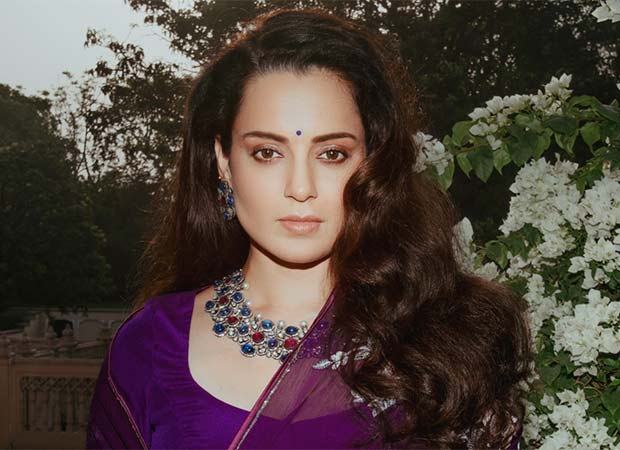
Kangana Ranaut, known for her outspoken nature and involvement in high-profile projects, has yet to comment publicly on the legal dispute. However, industry insiders speculate that the controversy could influence her promotional activities and the film’s release strategy.
What This Means for Bollywood’s Creative Landscape
This legal confrontation serves as a wake-up call for Bollywood, emphasizing the need for meticulous rights management and contractual clarity. As the industry continues to grow and attract international attention, protecting intellectual property rights becomes crucial for safeguarding creative works and ensuring fair compensation for content creators.
Furthermore, the case could inspire newer, more comprehensive legal frameworks tailored for the digital age, where content is easily replicable and distributable across multiple platforms. It also highlights the importance of ethical filmmaking practices and respecting the ownership rights of original creators.
Conclusion: A Landmark Case in Bollywood’s Legal History
The ongoing legal dispute over Queen 2 marks a significant chapter in Bollywood’s evolving relationship with intellectual property rights. As the industry grapples with balancing creative freedom and legal boundaries, this case may well set important precedents for future productions.
For fans, industry stakeholders, and legal experts alike, the outcome of this case will be closely watched—potentially shaping how Bollywood approaches sequels, remakes, and derivative works in the years to come. As the world of Bollywood continues to flourish, safeguarding original content remains a cornerstone of sustainable and ethical filmmaking practices.
Stay tuned for updates on this developing story, which promises to influence Bollywood’s legal landscape and creative future profoundly.