Kerala High Court Temporarily Bars Release of Bollywood Film “The Kerala Story 2” Amid Certification Controversy
The much-anticipated Bollywood film “The Kerala Story 2” has found itself embroiled in a legal standoff, with the Kerala High Court issuing a temporary injunction against its release. On Tuesday, the court instructed the film’s producers to hold off on releasing the film’s rights until a comprehensive hearing concludes, highlighting the ongoing debate around the movie’s certification and content.
Legal Proceedings Halt Bollywood’s Upcoming Release
The case was heard in the Kerala High Court, where a bench of judges expressed serious concerns over the film’s certification and the timing of its release. The court observed that the petitions challenging the film’s certification appeared to have merit, prompting a directive for the filmmakers to pause their release plans. The judges explicitly stated that the film, scheduled for release on February 27, should not be screened or promoted further until the court completes its review.

The court’s intervention underscores the importance of cautious scrutiny when it comes to Bollywood productions that stir controversy or touch on sensitive social issues. Given the film’s political and social implications, the court’s stance aims to ensure that the film’s content aligns with legal and ethical standards before it reaches audiences.
Questioning the Certification – Why the U/A Rating Raises Eyebrows
A focal point of the hearing was the Central Board of Film Certification’s (CBFC) decision to grant “The Kerala Story 2” a U/A certificate, which allows viewers under 12 years of age to watch the film with parental guidance. The judges expressed surprise and skepticism over this rating, questioning the rationale behind not assigning an ‘A’ (adults only) certificate, especially given the film’s sensitive themes.
The bench queried the CBFC representatives about the certification process, emphasizing the need for transparency and consistency in rating decisions. This scrutiny is particularly pertinent in the context of Bollywood’s reputation for producing films that often explore complex societal issues, from political narratives to social justice themes. The court’s inquiry indicates a desire to prevent potential misrepresentation or misjudgment that could mislead audiences or impact societal perceptions.
Industry Precedents and the Certification Debate
During the proceedings, the counsel representing the CBFC defended the certification, citing precedents from Bollywood’s film industry where movies with titles referencing Indian states or cities received similar ratings. Examples such as Go Goa Gone, Once Upon a Time in Mumbaai, and Delhi Belly were cited to illustrate that the certification process considers various factors beyond the film’s title or themes.
This defense underscores the complex process behind film certification in Bollywood, where balancing artistic expression with societal sensitivities is often a challenge. It also reflects the ongoing debate about whether certain ratings adequately address the content’s impact, especially for films that deal with controversial or politically charged subject matter.
The Producers’ Perspective: Focus on Women’s Stories and Legal Issues
The legal team representing the producers of “The Kerala Story 2” argued that the film aims to shed light on the experiences of women survivors, potentially highlighting issues such as violence, trauma, and resilience. They emphasized that the petition challenging the certification raises broader legal and societal questions rather than specific objections to the film’s content.
The producers maintained that the film’s purpose is to foster awareness and dialogue around critical social issues, aligning with Bollywood’s tradition of socially conscious filmmaking. They also asserted that any attempt to quash the film’s release on the basis of certification could set a concerning precedent for artistic freedom in Bollywood and Indian cinema at large.
Protecting the Dignity of India, Not Just Kerala
The court was also attentive to the geographical and cultural implications of the film’s content. Judges reiterated that Kerala is an integral part of India, and the debate is not about the dignity of Kerala alone but about safeguarding the dignity of the entire nation. This statement reflects the broader national interest at stake, considering Bollywood’s reputation as the cultural ambassador of India on the global stage.
The court’s remarks reinforce the principle that films, especially those emerging from Bollywood, should represent Indian society responsibly, respecting its diversity and sensitivities while promoting constructive narratives.
Next Steps and Future Outlook
Following the hearing, the Kerala High Court recorded the filmmakers’ undertaking to await its ruling before proceeding further with the film’s release. The matter has been adjourned till February 26, with the court promising a thorough review of the petitions and certification issues involved.
This legal delay adds a layer of uncertainty for Bollywood’s upcoming releases, especially those that generate political and social debates. It also highlights the ongoing need for clear guidelines and transparent processes in film certification, which is crucial for maintaining the integrity and reputation of Bollywood’s cinematic offerings.
About the Film: “The Kerala Story 2”
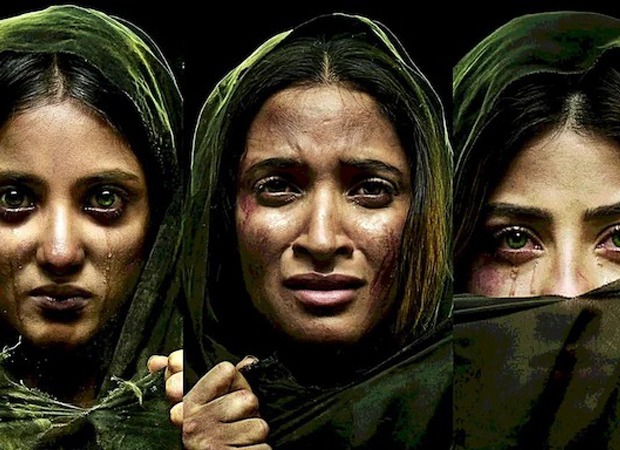
Directed by Kamakhya Narayan Singh and produced by Vipul Amrutlal Shah, “The Kerala Story 2” has garnered significant attention following the release of its trailer. Featuring a talented ensemble cast including Ulka Gupta, Aditi Bhatia, and Aishwarya Ojha, the film aims to explore compelling themes centered around women’s resilience and societal challenges.
The film’s scheduled release on February 27 has been met with both anticipation and controversy, especially amid debates surrounding its content and portrayal of sensitive issues. The controversy was further intensified by rumors of the film’s teaser being altered or removed, which the makers have denied, asserting their commitment to transparency.
The Broader Context: Bollywood and Social Responsibility
Bollywood, as India’s largest film industry, often finds itself at the crossroads of entertainment, social commentary, and political influence. Films like “The Kerala Story 2” illustrate Bollywood’s capacity to spark conversations on national identity, gender issues, and political narratives. However, with this influence comes a responsibility to portray societal realities authentically and ethically.
The ongoing legal proceedings serve as a reminder that Bollywood’s creative expressions are subject to scrutiny not only by regulators but also by the judiciary, which seeks to balance artistic freedom with societal sensitivities. As the case unfolds, industry stakeholders, audiences, and critics alike will be watching closely, understanding that the outcome could influence future filmmaking norms and certification standards in Bollywood.
Conclusion
The Kerala High Court’s decision to temporarily halt the release of “The Kerala Story 2” underscores the delicate interplay between artistic expression, societal values, and legal oversight in Bollywood. As the film industry continues to evolve, ensuring responsible storytelling while respecting legal frameworks remains paramount. The upcoming judgment will likely have far-reaching implications for how socially conscious films are produced, certified, and received in India’s vibrant cinematic landscape.
Stay tuned for further updates as this high-profile case progresses and as Bollywood navigates the challenges of producing impactful, responsible cinema in today’s complex socio-political environment.