Sunny Deol Unveils Title of Highly Anticipated Bollywood Historical Drama “Batwara 1947” — A Grand Return to the Partition Saga
In a momentous announcement that has sent shockwaves through the Bollywood industry and passionate cinephiles alike, Sunny Deol has officially revealed the title of his upcoming monumental historical drama, “Batwara 1947”. Previously known by the working title Lahore 1947, the film’s new name signifies a renewed focus on one of India’s most tumultuous and defining moments — the Partition of 1947. The revelation was made on June 9, 2026, accompanied by an electrifying first-look video that offers a compelling glimpse into the film’s intense, emotionally charged setting, promising audiences a cinematic experience rooted in history, human resilience, and the complexities of identity amidst chaos.
Setting the Stage for a Blockbuster Release
Scheduled for a grand theatrical release on August 14, 2026, Batwara 1947 is poised to become one of the most ambitious projects in recent Bollywood history. Produced by the legendary Aamir Khan under the banner of Aamir Khan Productions, and directed by the acclaimed filmmaker Rajkumar Santoshi, the film exemplifies a powerful collaboration of industry giants. This union of talent brings together three distinct yet complementary creative forces, each with a proven track record of delivering cinematic classics, especially within the realm of Bollywood’s historical and socially conscious narratives.

First-Look Visuals: A Glimpse into the Heart of History
The newly released announcement video is a visceral journey into the film’s intense atmosphere. It vividly depicts a world torn apart by violence, displacement, and the struggle for survival — themes that continue to resonate deeply in contemporary discourse about India’s Partition. The visuals portray a landscape littered with destruction but also moments of poignant hope and resilience.
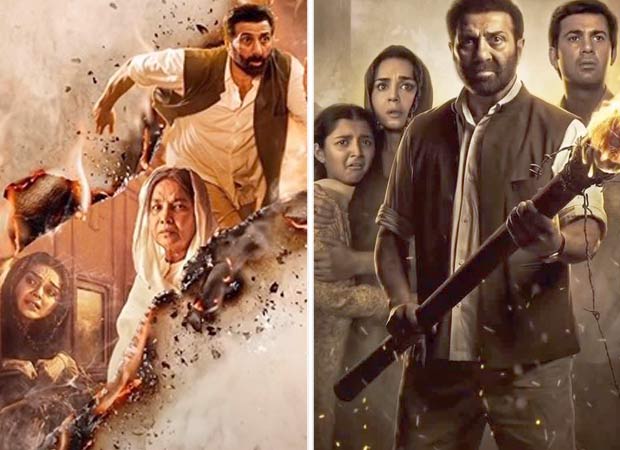
One striking poster features Sunny Deol wielding a flaming torch, standing protectively beside Preity Zinta and Karan Deol. This powerful image hints at a family caught amidst the chaos of Partition, symbolizing the enduring spirit of unity and the human cost of political upheaval. Another visual showcases Sunny Deol sprinting through a backdrop of flames and destruction, emphasizing the urgency and peril faced by those caught in the crossfire of history’s most traumatic division.
Recalling Past Glory: A Reunion of Legends
This film marks a significant reunion in Bollywood’s history — Sunny Deol and Rajkumar Santoshi, whose collaborations on classics like Ghayal, Damini, and Ghatak have cemented their status as some of Hindi cinema’s most celebrated works. Their partnership has always been synonymous with gritty storytelling, powerful performances, and socially relevant themes. Fans and critics alike eagerly anticipate how their combined creative energies will breathe new life into the Partition saga, a subject that has both challenged and inspired Bollywood filmmakers for decades.
Star Power and Emotional Depth
Adding to the excitement is the return of Preity Zinta as Sunny Deol’s lead female co-star. The actress has previously described this project as “the toughest film of her career,” underscoring the emotional and physical demands of portraying characters set against such a harrowing historical backdrop. Her presence is expected to bring a nuanced depth to the narrative, enriching the film’s portrayal of personal and collective trauma during Partition.
The supporting cast includes veteran actress Shabana Azmi, whose illustrious career has been marked by roles that explore social issues with sensitivity and depth. Additionally, actors like Ali Fazal and Abhimanyu Singh are slated to deliver pivotal performances, further elevating the film’s ensemble strength and ensuring a rich tapestry of characters navigating the turbulent times of 1947.
Bollywood’s Cultural and Commercial Significance
In the context of Bollywood’s evolving landscape, Batwara 1947 is more than just a historical drama — it is a reflection of cinema’s power to explore national identity, collective memory, and the enduring scars of partition. The film arrives at a time when Sunny Deol enjoys a resurgence at the box office, following the blockbuster success of Gadar 2 and Border 2. His recent hits have reestablished his status as one of Bollywood’s most bankable and revered action stars, known for his intense performances and patriotic fervor.
For Aamir Khan, this project represents a significant creative and production milestone. Known for his meticulous approach and socially conscious storytelling, Khan’s involvement signals a high-quality, large-scale production aimed at both critical acclaim and mass appeal. Rajkumar Santoshi’s return to a genre that has often defined his filmmaking career—drama rooted in history and social issues—adds further anticipation. His unique storytelling style promises a gritty, authentic portrayal of the human stories behind the political upheaval.
Expanding the Narrative: Why “Batwara 1947” Matters
While Bollywood has long been celebrated for its vibrant musicals and romantic dramas, the industry has also carved a niche in depicting historical tragedies with deep emotional resonance. Batwara 1947 is poised to continue this tradition, offering audiences a raw, unflinching look at the human cost of one of India’s most defining moments. It aims to do more than entertain; it seeks to educate, evoke empathy, and foster a nuanced understanding of the Partition’s legacy.
The film’s focus on personal stories amid political upheaval aligns with the current global discourse on displacement, refugee crises, and communal harmony. By contextualizing the Partition within a human framework, the film hopes to bridge generational gaps and foster dialogue about the importance of unity and resilience in the face of adversity.
Additional Insights and Industry Context
Interestingly, the development of Batwara 1947 was influenced by Aamir Khan’s personal engagement with the project. Sources reveal that Khan’s deep interest in the subject was solidified after a heartfelt meeting with Salim Akhtar’s family, whose personal stories of Partition inspired the narrative. This connection adds a layer of authenticity and emotional depth to the film, ensuring that it does justice to the real-life suffering and heroism experienced during that era.
The film’s release is also strategically timed around Independence Day, emphasizing its patriotic themes and cultural significance. As Bollywood continues to evolve with more socially conscious storytelling, Batwara 1947 exemplifies how cinema can serve as a mirror to history, a medium for empathy, and a platform for collective remembrance.
Final Thoughts: A Historic Bollywood Event in the Making
As anticipation builds, Batwara 1947 stands on the cusp of becoming a landmark in Bollywood’s illustrious history. With a stellar cast, visionary direction, and a story that resonates across generations, the film promises to be a powerful cinematic journey into India’s most profound chapter. It not only aims to entertain but also to educate and evoke a sense of national pride and reflection.
Bollywood’s rich tradition of storytelling continues to thrive with projects like this, which blend history, emotion, and artistry. Fans worldwide await the release, eager to witness how Sunny Deol, along with the creative minds of Aamir Khan and Rajkumar Santoshi, will bring the harrowing yet inspiring story of Partition to life on the big screen. Batwara 1947 is set to be a defining film that honors the past while inspiring conversations about unity, resilience, and hope for the future.