Global Recognition and Ongoing Debate: Bollywood and Indian Cinema in Letterboxd’s Top 500 Films
In an era where digital platforms increasingly shape the way cinephiles discover and evaluate films, the recent unveiling of Letterboxd’s Top 500 Films list has sparked a lively debate across social media channels. This list, curated based on user ratings from a diverse, worldwide community of film enthusiasts, has prominently featured only nine Indian titles, igniting discussions about representation, cultural diversity, and the evolving perception of Bollywood and Indian cinema on the global stage.

The Indian Films Featured and the Silence on Classics
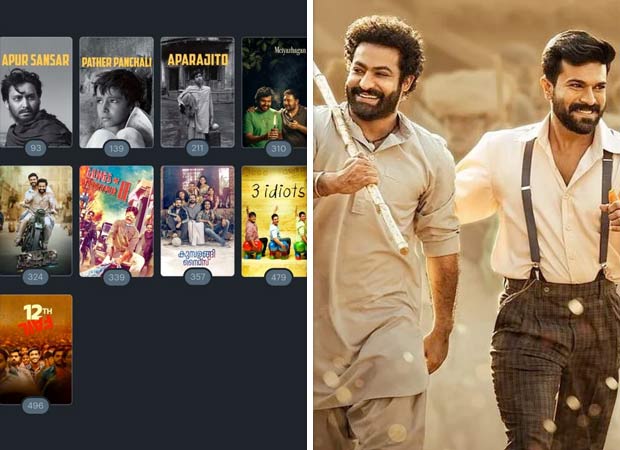
Among the Indian films that made it to the prestigious list are modern blockbusters like RRR, the critically acclaimed 3 Idiots, and the recent documentary-style film 12th Fail. Additionally, classic masterpieces such as Satyajit Ray’s Apu Trilogy hold a revered place, recognizing the timeless influence of Indian cinema’s golden era. These inclusions, while celebrated by many, also serve as a point of contention, highlighting the disparities in representation from the vast and diverse landscape of Bollywood and Indian filmmaking.
However, the absence of several landmark films has led to widespread debate. Fans and critics alike expressed disappointment over the lack of iconic works by legendary directors such as Guru Dutt and Nayakan, a critically acclaimed Tamil film directed by Mani Ratnam. “No Guru Dutt film and no Nayakan is just weird,” one user commented on social media, echoing a sentiment shared by many who believe that some of Indian cinema’s most influential classics are inexplicably missing from the list.
The Influence of Digital Metrics and Global Engagement
Part of the discussion revolves around how online voting and user ratings influence such rankings. Critics argue that these metrics may not fully encapsulate a film’s cultural significance or artistic value, especially when considering the rich history of Bollywood and Indian cinema. Nonetheless, supporters highlight the importance of global engagement, noting that platforms like Letterboxd reflect the preferences of an international community of cinephiles.
For instance, RRR has garnered over 350,000 views on Letterboxd—a figure significantly higher than many other Indian films—indicating its widespread popularity beyond India’s borders. This level of engagement underscores the growing influence of Bollywood and Indian cinema in global markets, especially with the rise of streaming platforms like Netflix and Amazon Prime, which have made these films accessible to audiences worldwide.
The Significance of Bollywood in the Global Cinema Landscape
Bollywood, as the heart of Indian cinema, has long been a cultural phenomenon, renowned for its vibrant storytelling, musical grandeur, and emotional depth. Over the decades, Bollywood movies have transcended boundaries, captivating audiences across continents and influencing filmmaking styles worldwide. The presence of Bollywood stars like Shah Rukh Khan, Aamir Khan, and Priyanka Chopra has elevated Indian cinema’s stature on the global stage, fostering a strong fanbase and critical interest alike.
Despite this, the recent list raises questions about whether digital rankings accurately reflect the rich tapestry of Bollywood’s legacy. Critics argue that these rankings often favor newer or more internationally visible films, potentially overlooking the historical significance and artistic innovation of older classics. This tension points to a broader conversation about how digital platforms can better honor the depth and diversity of Indian cinema.
Expanding the Conversation: Beyond Rankings
The discussion has expanded beyond the boundaries of a mere list, touching upon the cultural impact of Bollywood and Indian cinema worldwide. It prompts film enthusiasts, critics, and industry insiders to reflect on how digital metrics shape perceptions and whether they truly capture a film’s legacy. As Indian cinema continues to evolve, blending traditional storytelling with modern narratives and technological advancements, its representation in global rankings and discussions should adapt accordingly.
Moreover, the debate underscores the importance of inclusive recognition—highlighting that Indian cinema’s contributions encompass a vast array of genres, languages, and styles, from the commercial masala films to art-house productions. It also emphasizes the need for platforms like Letterboxd to consider a more nuanced approach when curating such lists to better reflect the richness of Bollywood and Indian cinema at large.
The Future of Bollywood’s Global Presence
Looking ahead, Bollywood’s influence shows no signs of waning. With the increasing accessibility of Indian films through digital streaming, collaborations with international filmmakers, and the global success of movies like RRR and Pathaan, the world is taking notice of India’s cinematic prowess. This momentum is poised to elevate Indian films in global rankings and critical discussions, challenging traditional hierarchies of film appreciation.
Furthermore, upcoming projects featuring Indian directors and stars are anticipated to further showcase Bollywood’s storytelling ingenuity. Initiatives to preserve and promote classic films, along with efforts to include more Indian cinema in international festivals and awards, will contribute to a more balanced and comprehensive recognition of Bollywood’s legacy.
Conclusion: Bridging Digital Metrics and Cultural Significance
The recent Letterboxd Top 500 Films list has ignited vital conversations about representation, the influence of digital metrics, and the global reach of Bollywood and Indian cinema. While the rankings reflect the preferences of a worldwide audience, they also highlight the need for a deeper appreciation of India’s cinematic history and cultural contributions. As Bollywood continues to grow and evolve, so too must the ways in which it is celebrated and studied—both online and offline.
Ultimately, the ongoing dialogue underscores an exciting reality: Indian cinema’s rich legacy and innovative future are increasingly recognized on the global stage, promising a more inclusive and comprehensive appreciation of Bollywood’s enduring impact on world cinema.
Additional Reading
For more insights into Indian cinema’s international influence and latest updates, stay tuned to our coverage of Bollywood and global film trends.