Madras High Court Dismisses Petition to Halt Bollywood Blockbuster Dhurandhar The Revenge During Tamil Nadu Elections
The Madras High Court has delivered a significant verdict by dismissing a petition that sought to prohibit the screening of the highly anticipated Bollywood film Dhurandhar The Revenge amidst the ongoing Tamil Nadu Legislative Assembly elections. The decision underscores the judiciary’s stance on balancing artistic expression and electoral integrity, especially during sensitive political periods.
Background: The Petition and Its Context
The petition was filed by a resident of Madurai who expressed concerns about the potential influence of the film on voters during the election process. According to a report by Bar and Bench, the complainant requested an ad-interim injunction to prevent the film’s release and screening across theatres and OTT platforms until the results of the Tamil Nadu elections are announced.

At the core of the petition was a fear that the film’s themes and portrayal could sway public opinion, thereby impacting the principle of a level playing field—an essential cornerstone of free and fair elections. The petitioner argued that the screening during the Model Code of Conduct period might lead to undue influence, possibly affecting voter decisions and undermining electoral integrity.
Judicial Response: Court’s Ruling and Rationale
However, the bench, comprising Chief Justice Sanjay A. Darmadhikari and Justice G. Arul Murugan, declined to grant any interim relief at this stage, dismissing the plea outright. The court emphasized that the petition did not demonstrate sufficient grounds to justify a stay on the film’s screening, especially considering the importance of artistic freedom and the presumption of innocence until proven otherwise.
The Court clarified that intervening at this preliminary stage without substantial evidence would set a concerning precedent, potentially infringing upon the right to free expression and the creative industry’s interests. Moreover, the judiciary highlighted that the film’s release aligns with the legal rights of filmmakers and producers, provided it does not overtly violate the law or election rules.
The Significance of the Court’s Decision
This ruling holds particular significance in the context of Indian democracy and bollywood’s prominent role in shaping cultural narratives. The case underscores a delicate balance—upholding democratic principles while respecting the artistic pursuits that often reflect social and political themes.
While the petition raised valid concerns about the potential impact of media during elections, the Court’s decision to allow the screening to continue sends a message that artistic expression, including bollywood films, should not be unduly restricted during the electoral process unless there is concrete evidence of violation or misconduct.
About Dhurandhar The Revenge: A Blockbuster in the Making
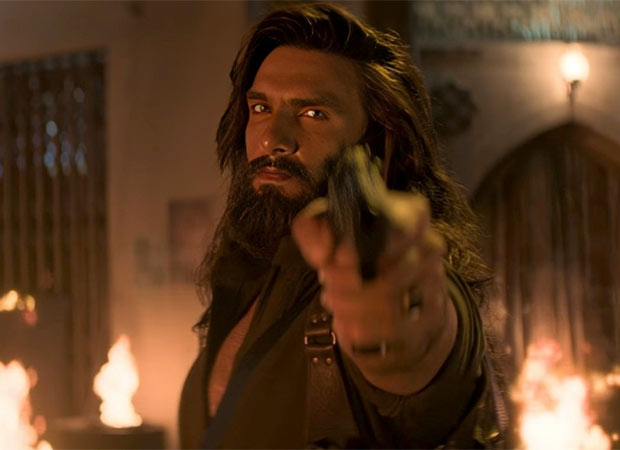
Dhurandhar The Revenge is directed by acclaimed filmmaker Aditya Dhar and stars Bollywood superstar Ranveer Singh in a pivotal role. As one of the biggest hits of 2026, the film has captivated audiences across India and has become a major talking point in popular culture and media discussions related to bollywood cinema.
The film’s release was met with immense anticipation, and it opened to massive box office collections, crossing the Rs 500 crore mark within just three days. Its success underscores the enduring appeal of bollywood productions, which continue to dominate the Indian entertainment landscape, even amid a burgeoning OTT streaming ecosystem.
Controversies and Political Themes in Bollywood
Despite its commercial triumph, Dhurandhar The Revenge has not been without controversy. The film’s perceived political themes and narrative choices have sparked debates about the role of bollywood in influencing public opinion, especially during election seasons. Critics and viewers alike have scrutinized whether the film propagates particular ideological messages or subtly sways voter sentiment.
Such discussions are not new to bollywood, a film industry renowned for its ability to reflect societal issues, political climates, and cultural shifts. This ongoing debate highlights the importance of maintaining a free artistic environment while ensuring that films do not cross ethical boundaries or violate electoral laws.
Legal and Cultural Implications
The Madras High Court’s decision exemplifies the judiciary’s cautious approach in managing the intersection of art, politics, and law. It recognizes that while films like Dhurandhar The Revenge can influence public discourse, outright bans or restrictions should only be considered if clear violations occur.
This case also raises awareness about the responsibilities of filmmakers and producers to adhere to regulations during election periods. The film industry, especially bollywood, must navigate these complex terrains carefully, balancing creative freedom with social responsibility.
The Future of Bollywood and Elections
This episode is a reminder of bollywood’s influential role in shaping societal narratives in India. As elections approach, the industry and the judiciary will likely continue to engage in dialogues about the boundaries of artistic expression and the safeguarding of democratic processes.
Filmmakers are encouraged to craft stories that respect electoral laws and promote social harmony, while audiences and critics remain vigilant about the messages conveyed through cinema. The ongoing debate underscores bollywood’s position as both an entertainment powerhouse and a mirror of society’s aspirations and concerns.
Additional Context: The Role of Courts in Protecting Artistic and Democratic Freedoms
India’s judiciary has historically played a pivotal role in safeguarding fundamental rights, including freedom of speech and expression. When it comes to bollywood films—often at the intersection of entertainment and social commentary—courts tend to strike a balance between protecting creative liberties and ensuring compliance with laws governing elections and public morality.
In recent years, courts have consistently emphasized that any restrictions on artistic expression must be backed by clear legal grounds and must not serve as tools for censorship or political suppression. This principle is crucial for bollywood, which continues to produce content that pushes boundaries and sparks important societal debates.
Conclusion: A Landmark Verdict with Broader Implications
The Madras High Court’s refusal to halt the screening of Dhurandhar The Revenge during the Tamil Nadu elections not only preserves the integrity of artistic freedom but also affirms the importance of a free, fair electoral process. As bollywood continues to produce blockbuster hits that influence millions, the industry, legal system, and society at large must work together to ensure that entertainment remains a positive force for social reflection without compromising democratic values.
This case exemplifies the ongoing dialogue between creative expression and electoral integrity—a conversation that will undoubtedly continue as bollywood evolves as a vital cultural force in India and beyond.