Bollywood Producer Alleges Negative Campaigns Impacted Mythological Film’s Reach
In a candid interview that has stirred discussions across the Indian entertainment industry, renowned Bollywood producer Prakash Mahobiya has voiced concerns about the marketing strategies surrounding his latest film, Mahakavya Shri Ramayan Katha. The film, a grand mythological drama based on the revered epic Ramayana, faced what Mahobiya describes as a series of negative online campaigns and marketing hurdles that prevented it from reaching a wider audience. His comments shed light on the complex dynamics of film promotion in contemporary Bollywood and Indian cinema at large, especially for mythological and devotional genres.

Unveiling Challenges: The Impact of Negative Marketing on Mythological Films
Mahobiya, speaking openly to India Today, explained that despite the film’s artistic and narrative strengths, it was hampered by what he calls “negative marketing tactics” that skewed public perception and limited viewership. “It was negative marketing throughout,” he stated. “We never got a proper chance to reach our audience. The few who did watch our film really appreciated it, but if most people never got the opportunity to see it, how can they form an opinion?”
This statement points to a broader issue faced by many indie and regional films, especially those rooted in traditional Indian stories and mythologies. In an industry often dominated by big-budget Bollywood productions, smaller or less commercially aggressive films frequently struggle to gather the necessary visibility amidst a flood of promotional campaigns for upcoming blockbusters.
Online Campaigns and Digital Influence: The Hidden Battle
Adding further depth to his concerns, Mahobiya suggested that digital creators and influencers might have played a role in discouraging audiences from watching his film. “From what we’ve been told, there are efforts involving YouTubers and social media influencers to spread misinformation or negative opinions about our film,” he revealed. “It seems that some parties are involved in creating a narrative that discourages viewers from giving our film a chance.”
While Mahobiya refrained from naming specific projects or individuals, his remarks hint at a strategic digital campaign possibly orchestrated to favor upcoming major releases, such as the much-anticipated big-budget adaptation of the Ramayana by Nitesh Tiwari. This film, featuring stars like Ranbir Kapoor, Sai Pallavi, and Yash, has garnered significant attention as one of the most ambitious Bollywood projects based on Indian mythology in recent years.
Contextualizing the Battle for Audience Attention in Bollywood
The controversy surrounding Mahakavya Shri Ramayan Katha highlights the ongoing challenges faced by filmmakers who work with mythological themes within Bollywood. The industry has seen a resurgence of interest in mythological stories, but the competition to capture audience attention is fierce. Major studios often leverage extensive marketing budgets, star power, and multimedia campaigns to dominate screens and social media feeds.
In this landscape, smaller productions or independent mythological films sometimes struggle to get their due recognition. The phenomenon raises questions about the fairness and transparency of promotional strategies, especially when digital influence and online campaigns can sway public perception swiftly and significantly.
Ramayana in Bollywood: A Growing Trend
The upcoming Ramayana adaptation directed by Nitesh Tiwari is undoubtedly one of the most eagerly awaited Bollywood projects of the year. With stars like Ranbir Kapoor portraying Lord Ram, Sai Pallavi as Sita, and Yash as Raavan, the film is poised to redefine mythological storytelling on the big screen. Its release has been surrounded by immense anticipation, and industry insiders are closely watching how it will perform at the box office and in terms of critical reception.
While Mahobiya’s statements do not explicitly link his film’s struggles to this larger project, the timing and industry chatter suggest a competitive environment where multiple mythological adaptations vie for audience attention. The narrative of negative online campaigns against Mahakavya Shri Ramayan Katha may also be part of a broader strategy to elevate the profile of upcoming big-budget Bollywood mythological epics.
Lessons Learned: First-Time Producer’s Perspective on Film Marketing
Mahobiya, a first-time producer, admitted that navigating the marketing landscape was a learning curve. “This was my first experience producing a film, and I am still figuring out how to market effectively,” he shared. “We’re not afraid of losing money, but it’s disappointing that so many people couldn’t see our film. That’s why we’re considering re-releasing it in theaters to give it another chance.”
This honest reflection underscores the importance of strategic promotion in Bollywood, especially for niche genres like mythological films. It also emphasizes the challenges faced by new producers trying to carve out a space in a highly competitive industry.
The Unique Identity of Mahakavya Shri Ramayan Katha
Mahobiya emphasized that his film offers a distinct interpretation of the Ramayana, with a different narrative style and artistic approach compared to the upcoming Bollywood epic. “There’s a lot of difference between our film and the one that will come soon,” he stated confidently. “Given the chance, I believe audiences would have appreciated our version, which stays true to the cultural essence of the epic.”
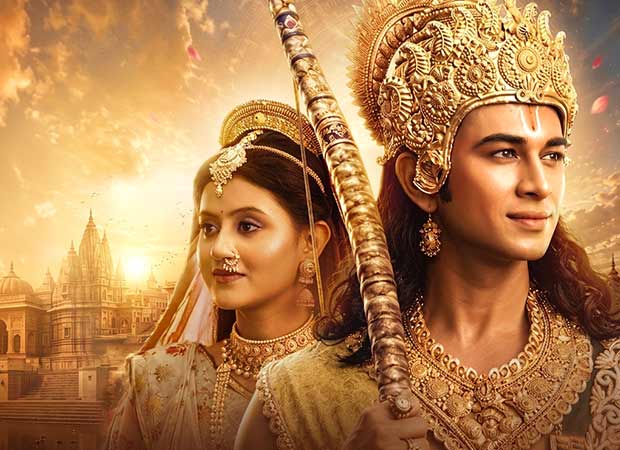
Directed by Abhishek Singh, Mahakavya Shri Ramayan Katha was released in cinemas on September 25, 2026. The film features Dev Sharma as Lord Ram, Anjali Arora as Goddess Sita, Sheel Verma as Laxman, and Rajniesh Duggall in a pivotal role. Despite its limited reach, the film has garnered a loyal following among mythological enthusiasts and critics who praise its storytelling and visual aesthetics.
Next Steps: Re-Release and Future Prospects
Following its initial theatrical run, the makers of Mahakavya Shri Ramayan Katha are exploring options to re-release the film in cinemas, aiming to reach new audiences and rectify the visibility issues faced earlier. This move reflects a resilient spirit within the Bollywood industry, where filmmakers often revisit their projects to maximize their impact and reach.
As Bollywood continues to evolve, the integration of traditional storytelling with modern marketing tactics remains crucial. The industry’s ability to balance star power, digital influence, and authentic narrative remains a key factor in the success of mythological films and other genre-based projects.
Conclusion: The Power of Mythology and the Role of Fair Marketing in Bollywood
The controversy surrounding Mahakavya Shri Ramayan Katha offers valuable insights into the complex interplay between mythology, cinema, and digital marketing in Bollywood. While big-budget adaptations like the upcoming Ramayana film are drawing immense attention, smaller productions face challenges in securing visibility amidst aggressive promotional campaigns.
It underscores the need for transparency, fair play, and innovative promotional strategies that can help diverse stories reach their rightful audience. For Bollywood, the future of mythological storytelling hinges on balancing commercial success with cultural integrity, ensuring that timeless epics like Ramayana continue to inspire generations through authentic and accessible cinema.
As the industry grapples with these issues, one thing remains clear: the rich tapestry of Indian mythology holds a vital place in Bollywood’s creative landscape, and its successful portrayal depends on a collective effort to celebrate storytelling in all its forms.