Controversy Erupts in Bollywood as Mirzapur: The Movie Faces Music Rights Dispute
The latest blockbuster from the Bollywood universe, Mirzapur: The Movie, has found itself embroiled in a significant controversy shortly after its much-anticipated theatrical release. The dispute centers around the alleged unauthorized use of a song by renowned Rajasthani artist and rapper Rapperiya Baalam. This incident has sparked widespread discussion about copyright practices, artist rights, and the ethical responsibilities of filmmakers in the Indian film industry.

Background of the Controversy: The Use of ‘Shoorveer’ in Mirzapur
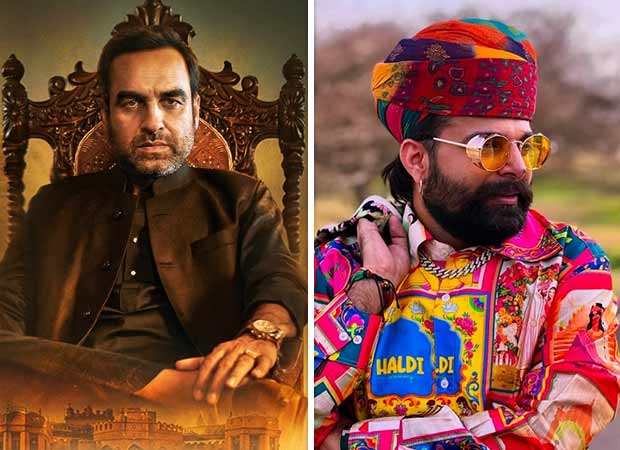
The film, directed by Gurmeet Singh and based on the popular streaming series that captivated millions, hit theatres on September 4, 2023. While the film garnered strong box office numbers—reportedly earning Rs. 93 crore in its opening weekend—attention has now shifted from its commercial success to its creative integrity. The core issue involves the inclusion of a song named ‘Shoorveer’, composed and sung by Rapperiya Baalam, which the artist claims was used without his permission or proper licensing.
Rapperiya Baalam, a well-respected figure in Rajasthan’s music scene, took to Instagram to voice his disappointment and concern. In his candid post, he explained that ‘Shoorveer’ was crafted as a tribute to the legendary Maharana Pratap, symbolizing valor and patriotism. His frustration stems from the fact that his work was incorporated into a film scene featuring gangsters—an imagery he feels contradicts the original intent of his composition.
Allegations and Artist’s Perspective
In his social media statement, Rapperiya Baalam expressed genuine dismay, stating, “Today, my heart is broken. Some of you may ask why my heart is broken. You might say I should be happy because my song is in Mirzapur. But the Mirzapur team did not take my permission to use my song. Who gave them the permission? I certainly did not.”
The artist elaborated that the song was specifically created to honor Maharana Pratap—a revered hero of Indian history and a symbol of Rajput valor. He questioned the appropriateness of using such a patriotic song in a context that appears to glorify criminals and villains, thus potentially undermining the song’s original cultural and historical significance.
Adding to his grievances, Rapperiya Baalam emphasized that he would have been open to collaboration had the filmmakers approached him directly. “If the Mirzapur team had approached me and said, ‘Rapperiya bhai, we want to use your song,’ we would have gladly collaborated and shared ideas. But taking the song without permission is not only disrespectful but also illegal,” he asserted.
Questions Over Copyright and Licensing
The artist further questioned the legal procedures involved in licensing the track. “I don’t know who gave you the rights or from whom you obtained them. Whoever gave you these rights, I want to ask—do you have the copyright? How was this track licensed for use?” he inquired, highlighting a broader issue within the Bollywood and Indian film industries regarding transparency and adherence to intellectual property laws.
Implications for the Indian Film Industry and Bollywood
This controversy underscores a critical challenge faced by Bollywood and the broader Indian film industry: ensuring proper rights management and respecting artists’ creative contributions. As Bollywood continues to expand its global footprint, the importance of ethical practices in music licensing cannot be overstated. Cases like this serve as a wake-up call for filmmakers to establish clear communication channels with artists and rights holders before incorporating their work into films.
Moreover, the incident raises questions about how cultural and historical assets—such as songs dedicated to national heroes—are used in commercial media. Misappropriating such works can lead to cultural insensitivity and diminish the significance of the original composition.
Artist’s Future Steps and Industry Reactions
While the makers of Mirzapur: The Movie have yet to publicly respond to Rapperiya Baalam’s allegations, the artist has indicated his intention to pursue legal action if necessary. “Whatever steps are required, I will take them,” he declared, signaling that he is prepared to defend his rights and cultural legacy.
In the meantime, the incident has garnered attention across social media platforms, with fans and industry insiders debating the ethical responsibilities of filmmakers. Many emphasize that respecting artists’ rights is essential for maintaining the integrity of Bollywood’s creative ecosystem.
The Broader Context: Bollywood’s Growing Pains and Cultural Sensitivity
This controversy is not an isolated incident. Bollywood has faced similar issues regarding unauthorized use of music and footage in the past, reflecting ongoing challenges in copyright enforcement and artist rights protection. As Bollywood’s productions become increasingly sophisticated and global, the industry must prioritize transparent licensing processes and foster respectful collaborations with artists and cultural custodians.
Additionally, this situation highlights the importance of cultural sensitivity in Bollywood films. Using patriotic or culturally significant songs in commercial contexts should be handled with care and respect, ensuring that the original creators’ intentions and sentiments are preserved.
Conclusion: A Call for Ethical Practices in Bollywood
The controversy surrounding Mirzapur: The Movie and Rapperiya Baalam’s song ‘Shoorveer’ serves as a reminder that the Bollywood industry must uphold ethical standards in music licensing and copyright management. Respecting artists’ rights not only protects creative integrity but also fortifies the industry’s reputation on the world stage.
As Bollywood continues to grow and evolve, embracing transparency, collaboration, and cultural sensitivity will be key to fostering sustainable success. This incident could pave the way for stricter enforcement of copyright laws and more respectful partnerships between filmmakers and artists—ultimately enriching the vibrant tapestry of Indian cinema and music.
Stay Tuned for Updates
As the story develops, fans, artists, and industry insiders will be watching closely to see how the makers of Mirzapur: The Movie respond and what legal or creative steps Rapperiya Baalam may take next. One thing is clear: the conversation about artist rights and cultural respect in Bollywood is more vital than ever and warrants ongoing attention.