Financial Struggles Shake the Telugu Film Industry: A Closer Look at the Recent Mohanlal-Cameo Controversy
The Telugu film industry, often celebrated for its vibrant storytelling and star power, is currently grappling with an escalating financial crisis that threatens to stall several high-profile projects. What was once considered a thriving sector with robust investments now faces a sobering reality—budget constraints, rising production costs, and shifting economic dynamics are forcing filmmakers to rethink their strategies. The latest incident that underscores this financial strain involves a much-anticipated Telugu film featuring renowned actor Chiranjeevi, which has hit a significant roadblock over a high-profile cameo involving legendary actor Mohanlal.
The Under-Production Chiranjeevi Starrer Faces Monetary Hurdles
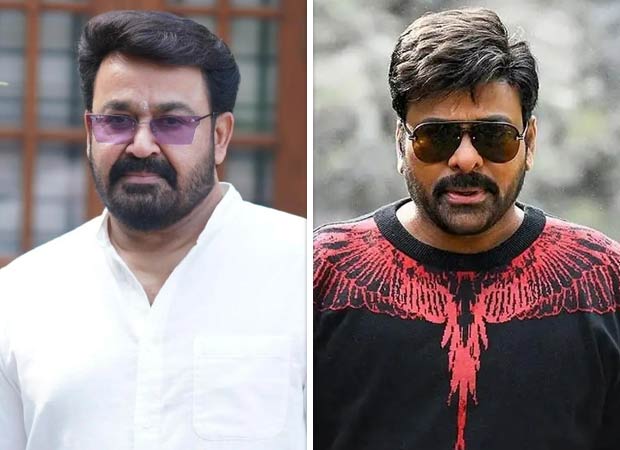
The upcoming film, still in the early stages of production, has generated considerable excitement among fans and industry insiders alike. Directed by the acclaimed Bobby Kolli, the project is touted to be a grand cinematic endeavor, expected to bring together some of the biggest stars in Indian cinema. Notably, the film was conceived to include a pivotal cameo appearance by Mohanlal, the celebrated Malayalam superstar known for his versatile performances and massive fan following across India.

The filmmakers had envisioned Mohanlal’s role as a strategic move to elevate the film’s appeal and create a buzz that transcends regional boundaries, positioning the project as a pan-Indian blockbuster. Drawing inspiration from iconic Bollywood moments—such as Amitabh Bachchan’s memorable cameo in the Rajinikanth-starrer Andha Kanoon—the makers aimed to craft a cameo that would be both impactful and memorable. The plan was for Mohanlal to appear as a gesture of goodwill, given the cordial relationship between the two legendary actors in real life. It was believed that Mohanlal, renowned for his professionalism and generous spirit, would accept the cameo without demanding any remuneration, thus fitting perfectly into the film’s ambitious vision.
The Unexpected Roadblock: A Jaw-Dropping Fee
However, the plan unraveled when Mohanlal’s representatives reportedly quoted a staggering fee of Rs. 30 crore for the cameo appearance. This unexpected demand caught the production team off guard, especially given the current economic climate in the Telugu film industry. With budgets already stretched thin by soaring costs of sets, technology, and star salaries, such a hefty fee was considered infeasible.
A source close to the project revealed, “At this point, Telugu producers simply cannot afford to pay Rs. 30 crore even for a full-length role, let alone a brief cameo. The industry is under immense financial pressure, and this demand has forced the team to reconsider their options.” The revelation highlights the stark reality faced by filmmakers today: the cost of assembling top-tier talent has skyrocketed, prompting a re-evaluation of casting choices and strategic collaborations.
Implications for the Telugu Film Industry
This incident is emblematic of broader financial challenges within the Telugu film landscape. Industry insiders point out that the rise in production costs, coupled with fluctuating box-office revenues and increased competition from OTT platforms, has led to tighter budgets and more cautious spending. Even projects with high expectations are now subject to intense scrutiny when it comes to expenditures on star power and special appearances.
Many producers are now exploring alternative options, including approaching popular Telugu actors willing to participate without hefty fees or as part of profit-sharing arrangements. The focus has shifted toward creating content that balances star power with financial sustainability, rather than relying solely on marquee names to guarantee success.
Impact on Future Collaborations and Star Power Dynamics
The Mohanlal cameo controversy also raises questions about cross-industry collaborations and the economics of pan-Indian films. While bollywood continues to dominate the national film discourse, regional industries like Telugu and Malayalam are increasingly seeking to forge meaningful partnerships with top stars from other industries. However, financial disagreements such as this threaten to dampen such collaborations, potentially delaying or derailing projects that could have benefited from international star appeal.
It also underscores the importance of understanding the evolving star economics. Big stars, once considered accessible for cameo roles without hefty paychecks, now command significant fees, reflecting their market value and influence. As a result, filmmakers must recalibrate their expectations and strategic planning to navigate these changing dynamics.
The Road Ahead: Navigating Financial Challenges in Bollywood and Regional Cinema
While the current turmoil is centered around the Telugu film industry, the ripple effects are felt across Bollywood and other regional cinemas. The overarching lesson is clear: with rising costs and limited box-office returns, producers must adopt innovative financing models, leverage digital platforms, and foster closer industry collaborations to sustain growth.
Bollywood, with its vast financial resources and global reach, continues to face its own set of challenges but often has more flexibility to accommodate high-profile talent fees. Nonetheless, the recent incident involving Mohanlal is a stark reminder that even the most celebrated actors and filmmakers must adapt to an increasingly complex economic landscape.
Conclusion: A Call for Strategic Reassessment
The controversy surrounding the Rs. 30 crore Mohanlal cameo in a Telugu film is more than just a budgeting hiccup; it reflects deeper systemic issues within the Indian entertainment industry. As regional industries like Telugu cinema grapple with financial constraints, they are compelled to innovate and rethink their approach to star collaborations and project financing.
For Bollywood and regional film industries alike, the message is clear: sustainable growth depends on balancing star power with fiscal prudence, leveraging new-age distribution channels, and fostering genuine industry partnerships. As the industry evolves, the key to thriving amidst economic challenges will be strategic planning, creative storytelling, and a keen understanding of the shifting dynamics of star economics.
Ultimately, this episode serves as a wake-up call for filmmakers, investors, and stakeholders across Indian cinema. The future of Bollywood and regional industries hinges on their ability to adapt, innovate, and craft compelling stories within the realities of today’s economic landscape—ensuring that the magic of Indian cinema continues to captivate audiences worldwide.